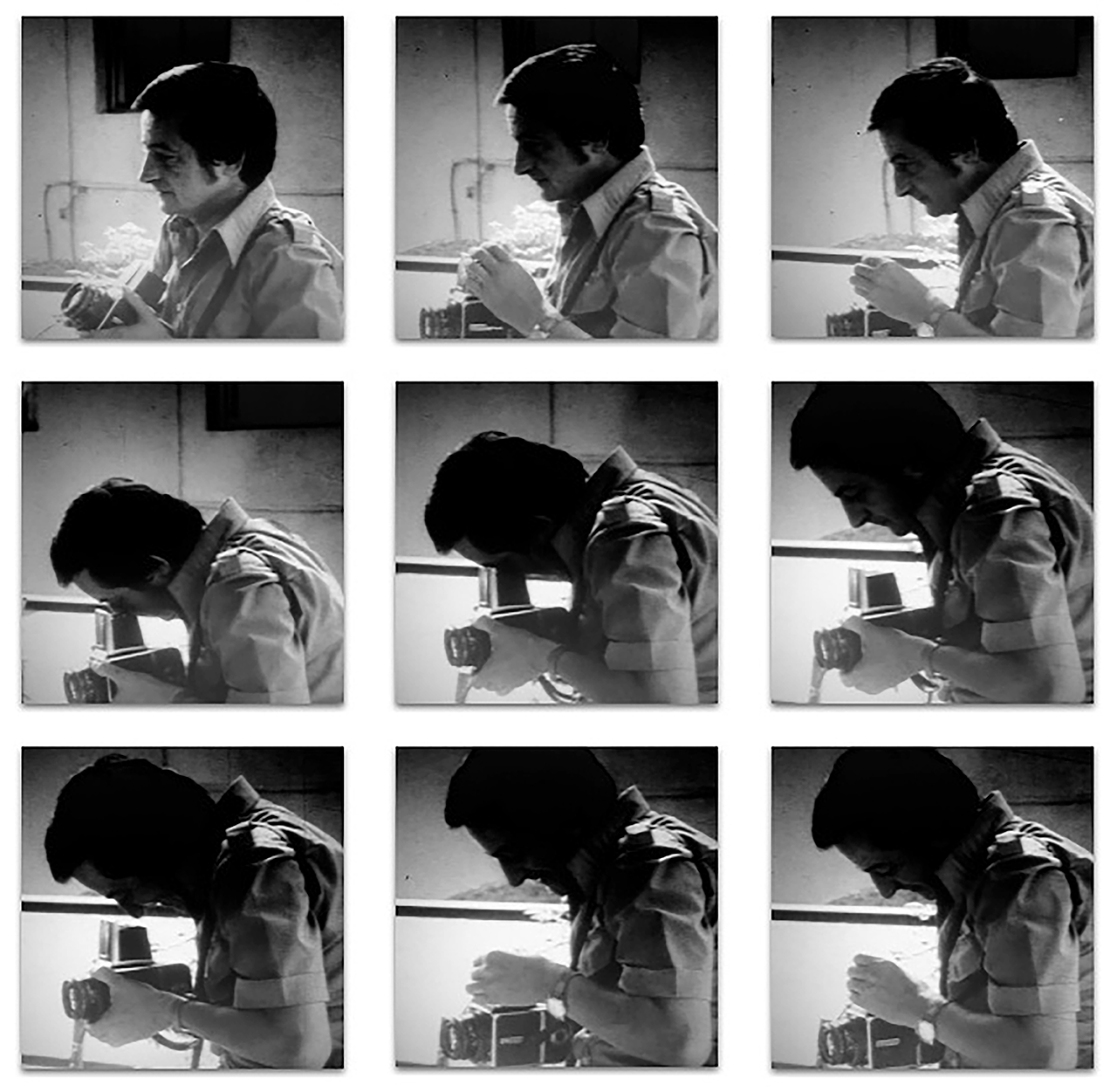
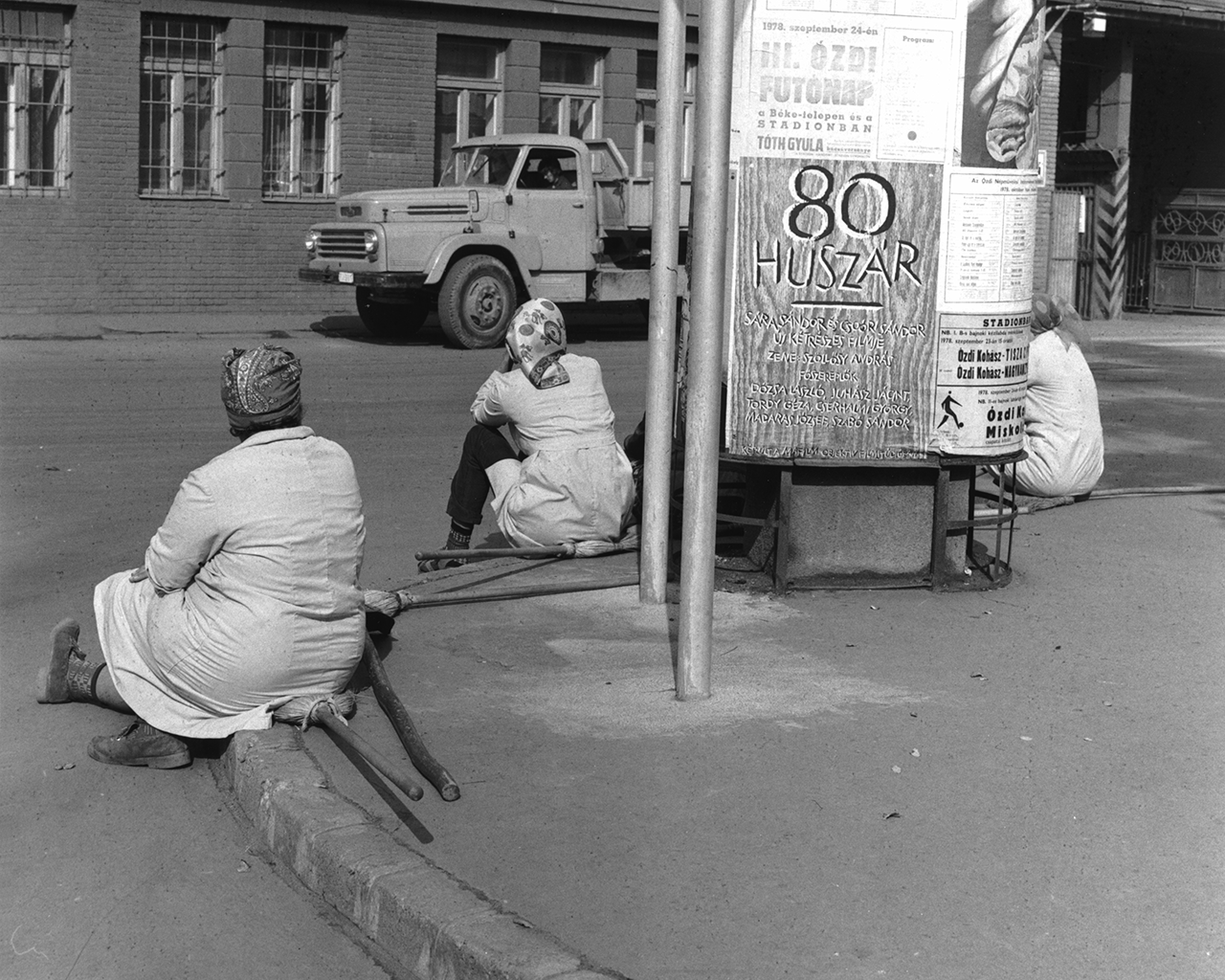
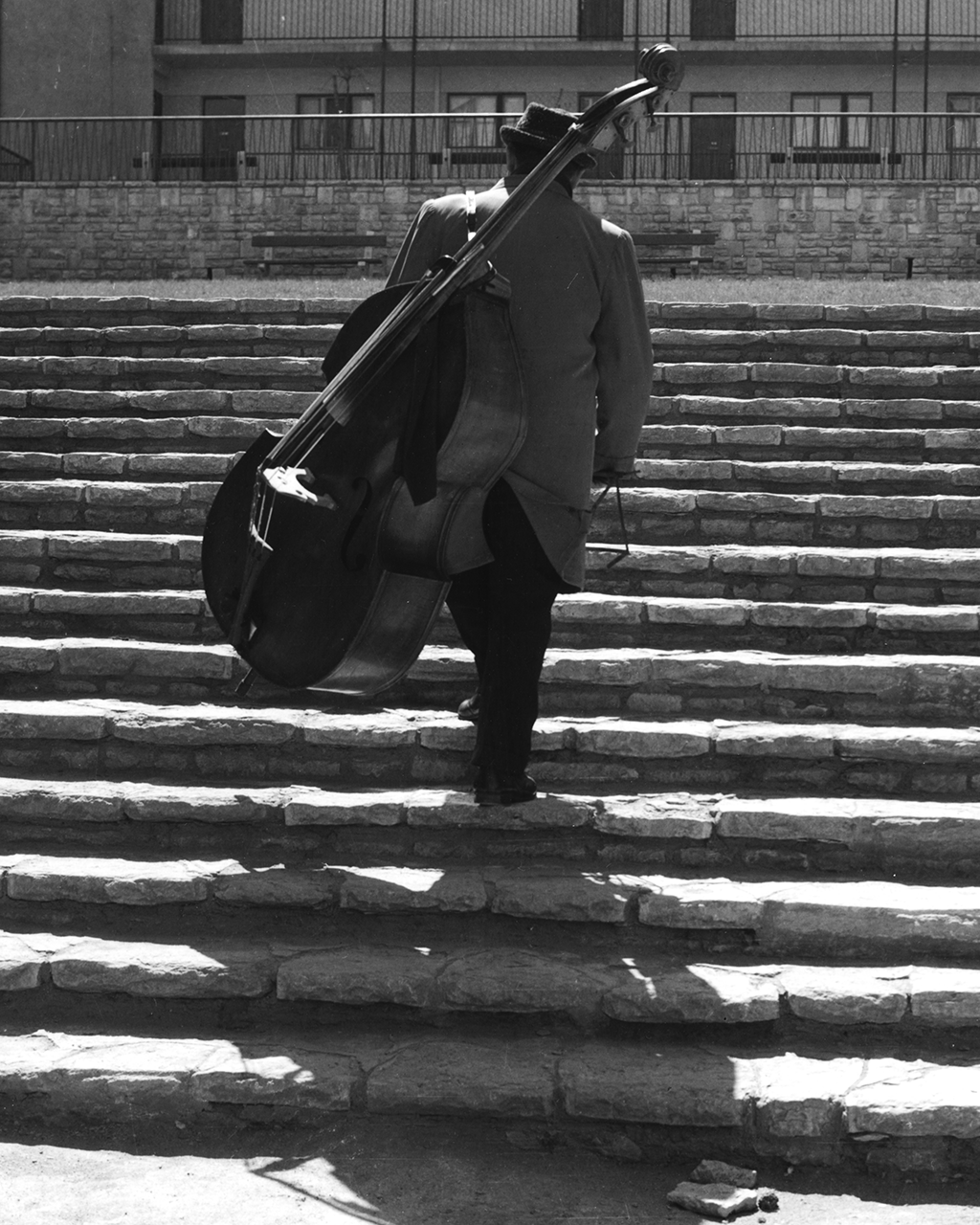
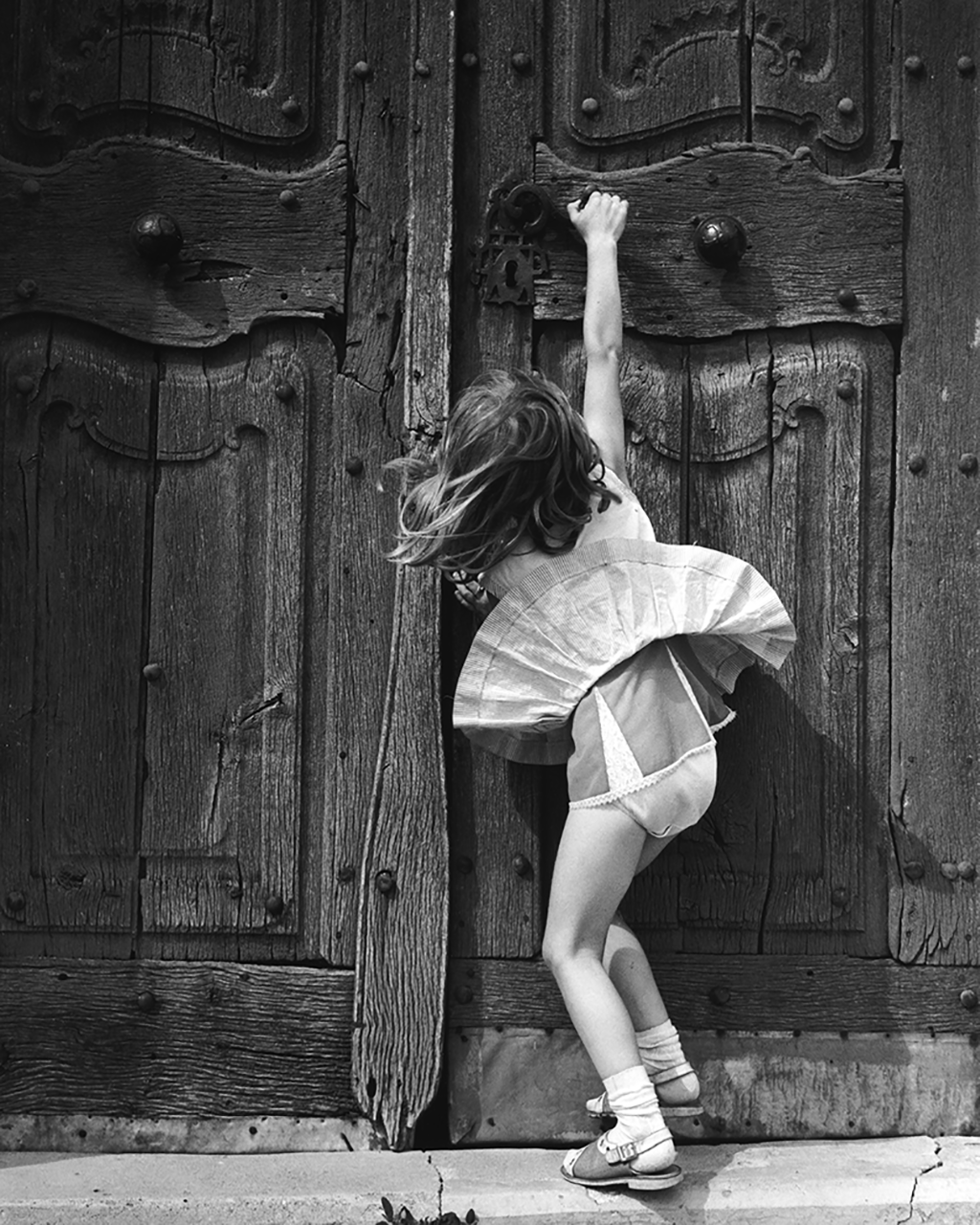
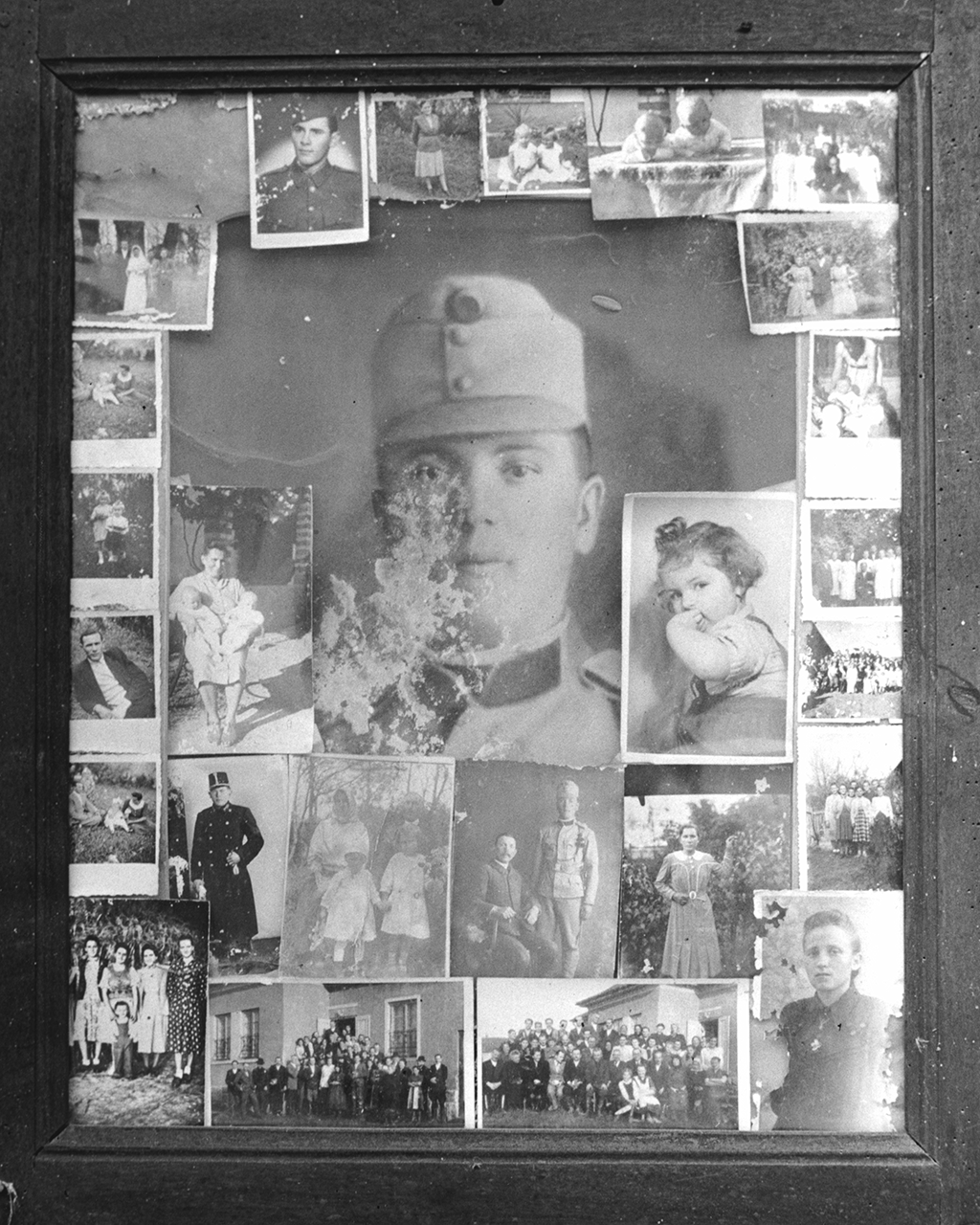
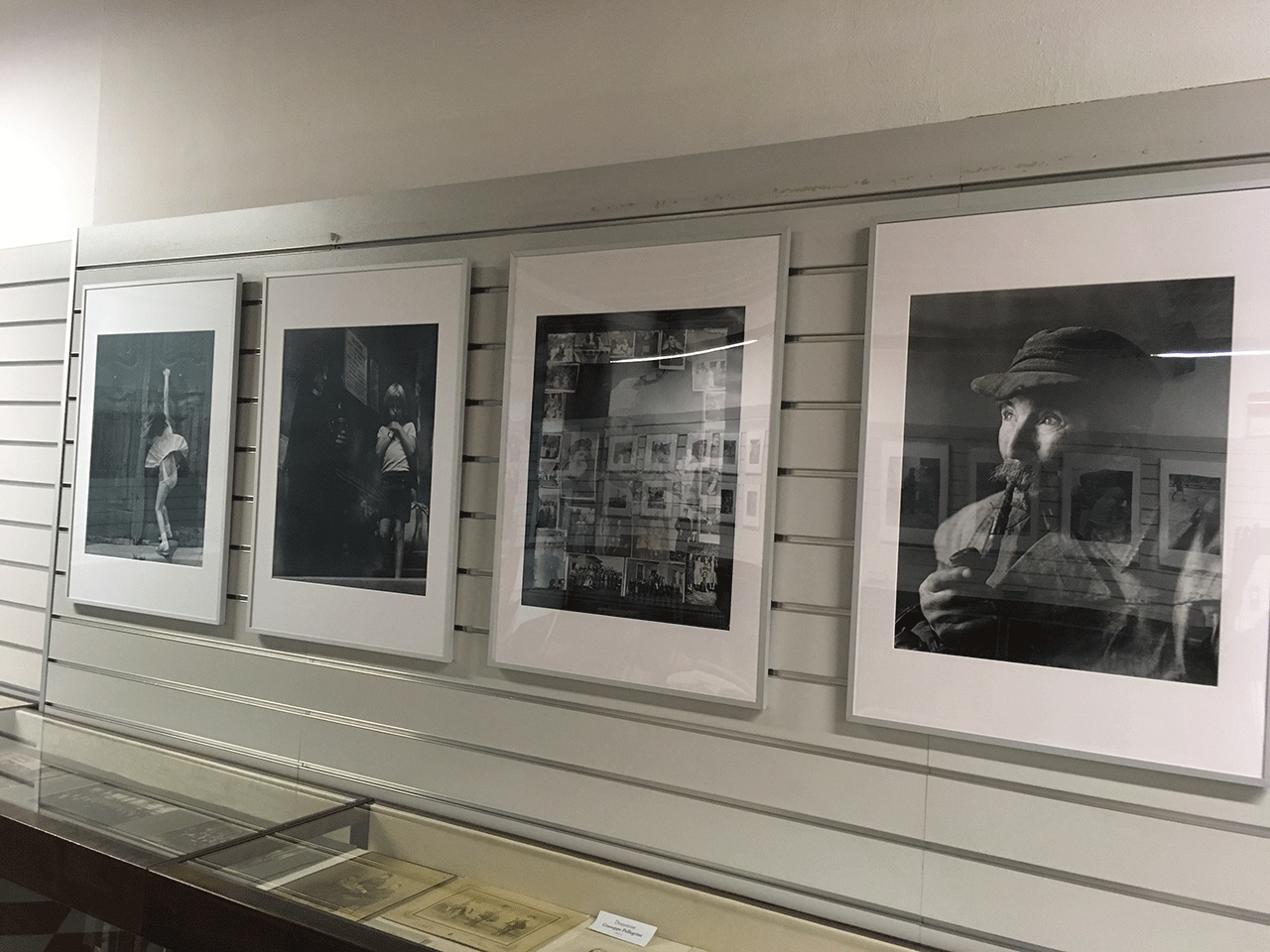
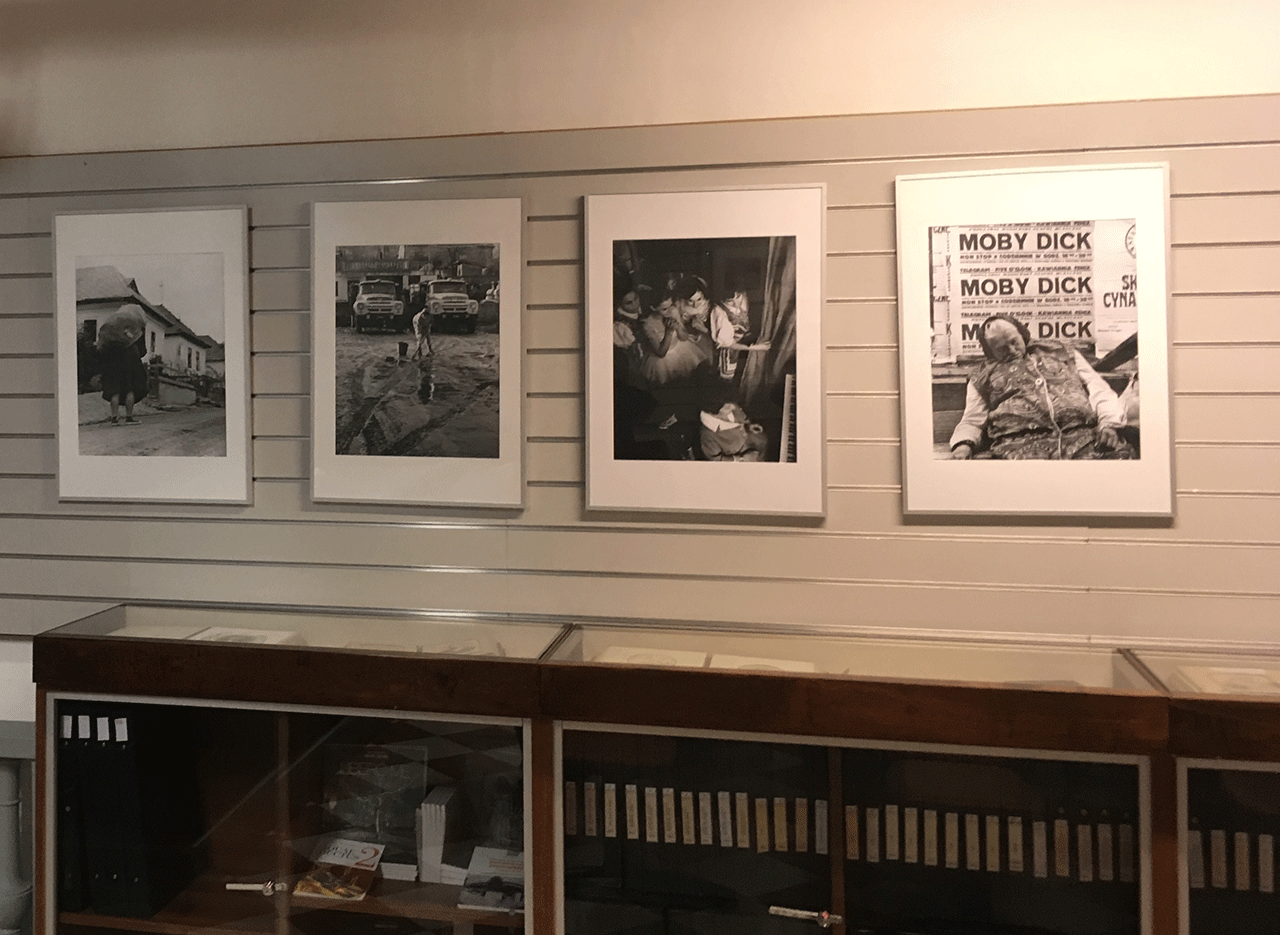
"Photos are the preserves of places and times: they encompass all of the circumstances of the particular moments in which they are captured. Nevertheless, like a sealed can cannot tell more of its content than the image on its label, a photo too will not reveal its meaning by a quick look: you have to take time to open, let it disclose its significance. Istvan Mizerak’s pictures are not simple records of his times, of a country or a town, but an extract of a certain era, atmosphere and spirit to which the older generations bore witness: sentiments that they bear deep in their cells, and cannot forget.”
- Károly Kincses, historian of photography, founder of the Hungarian Museum of Photography -
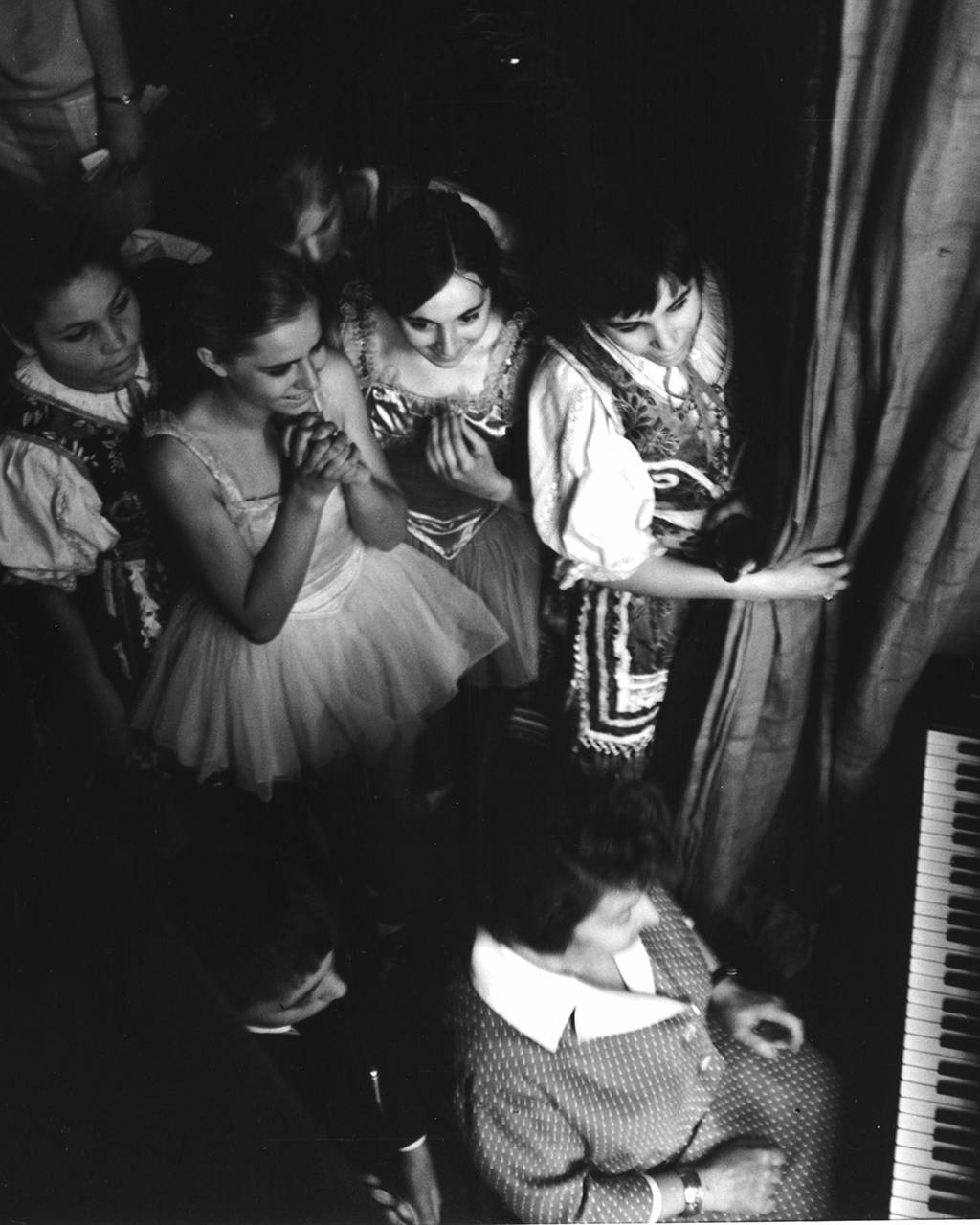
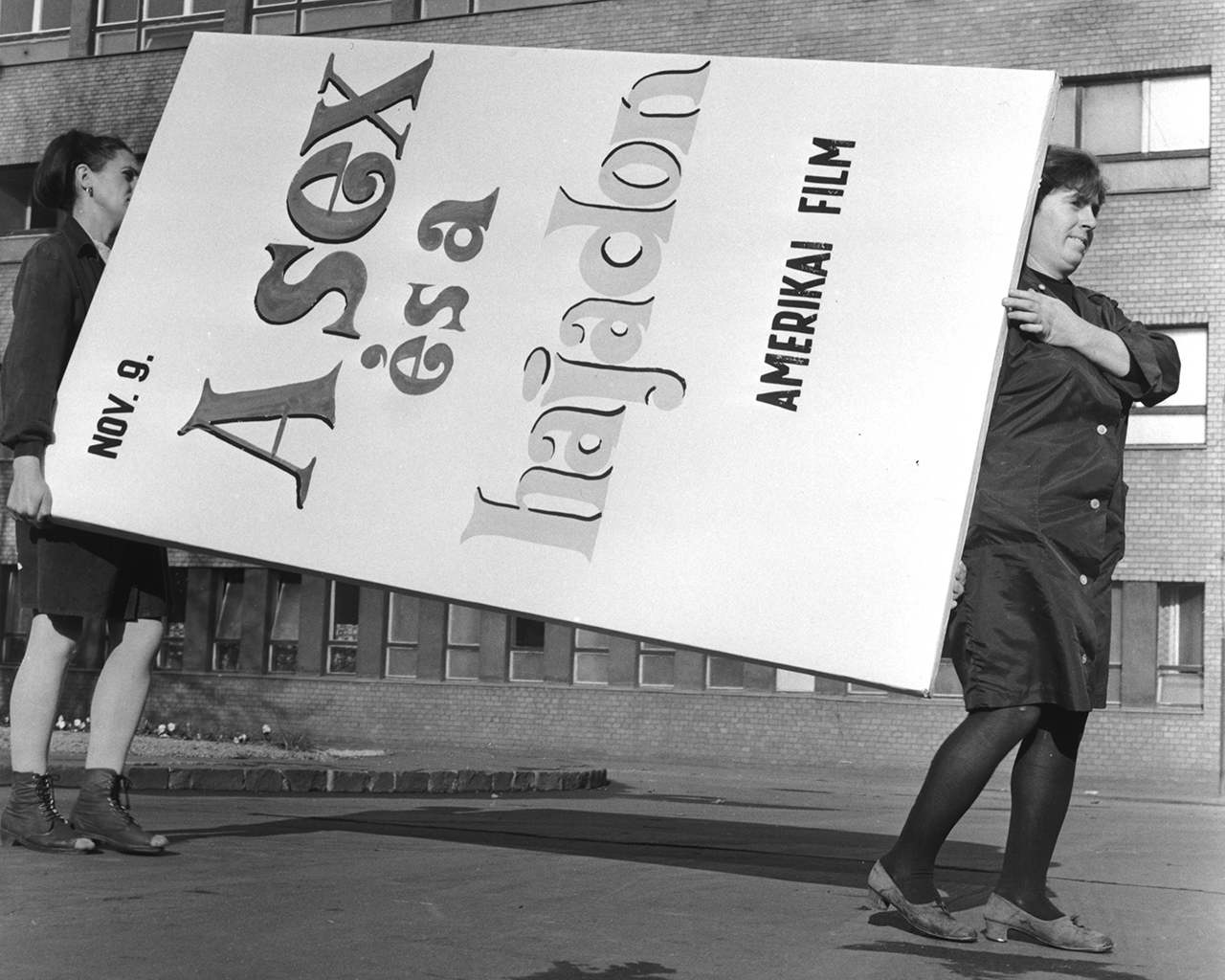
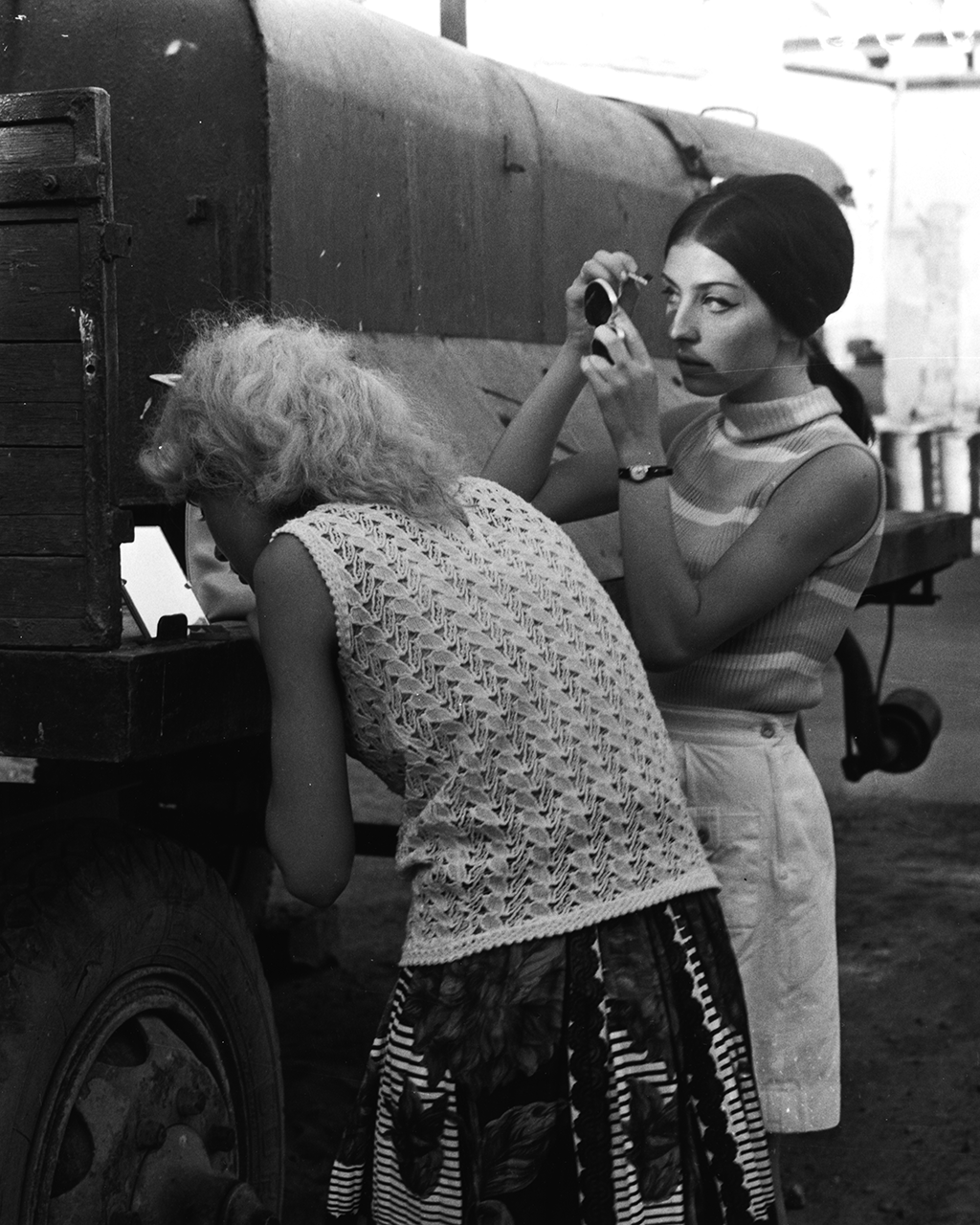
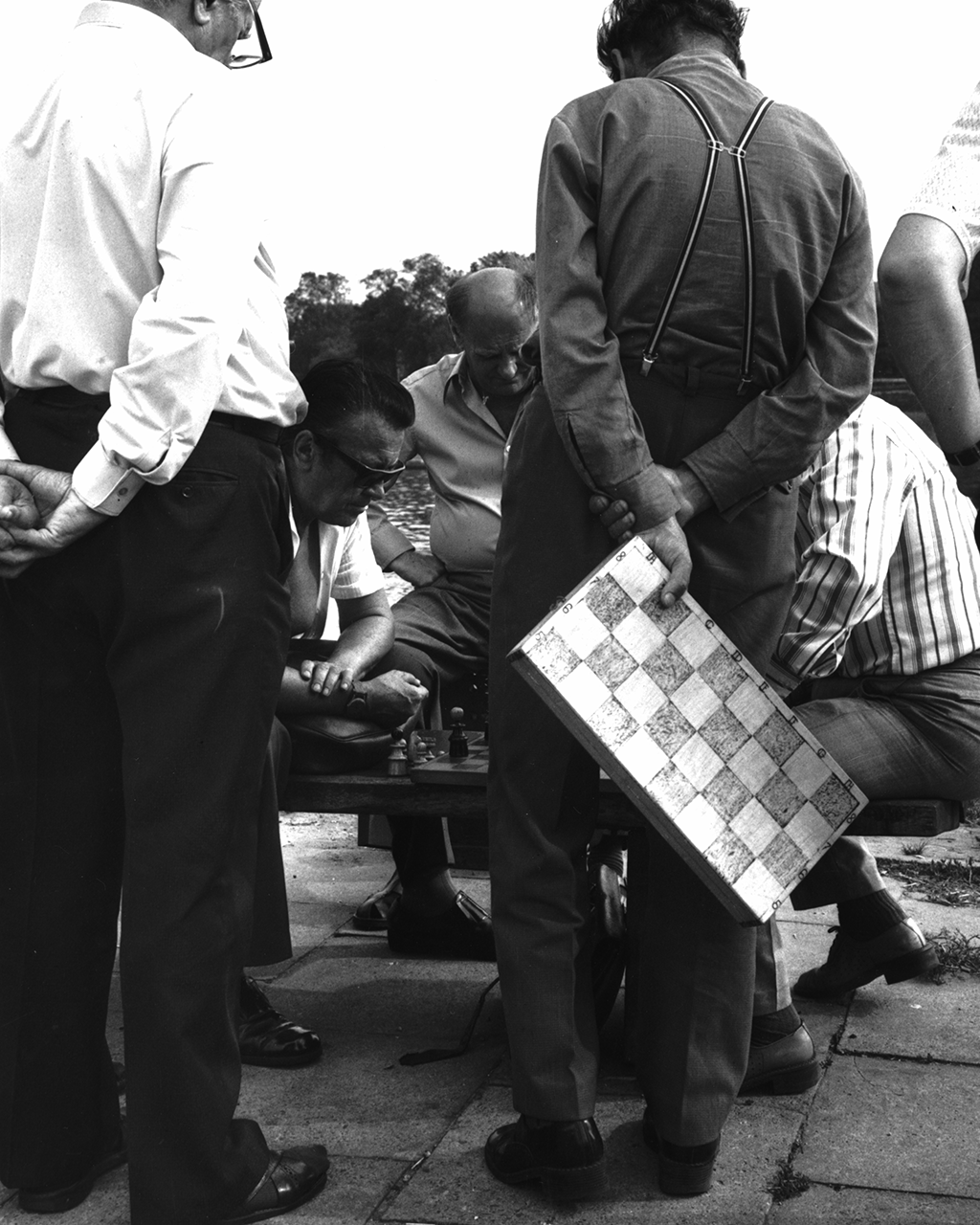
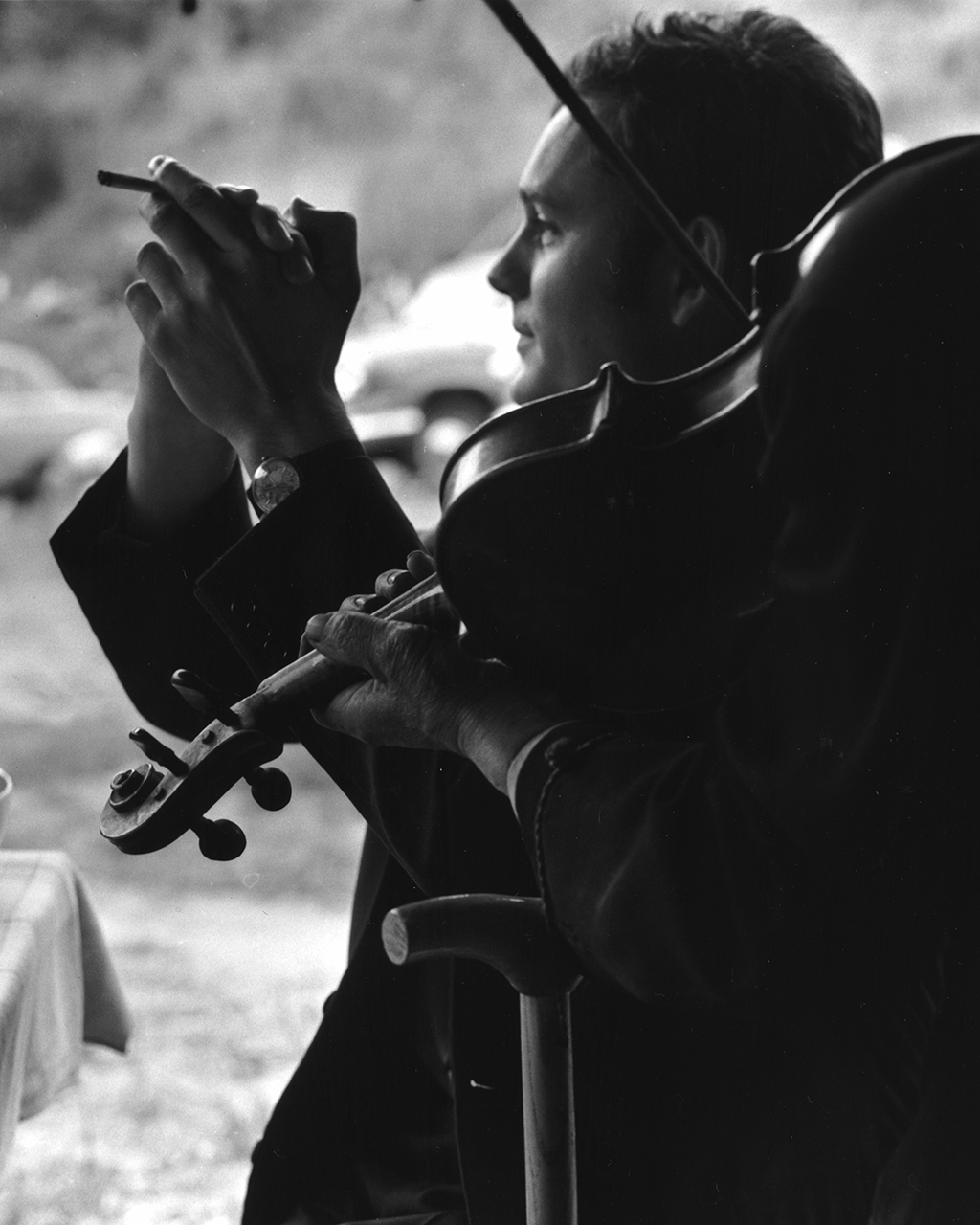
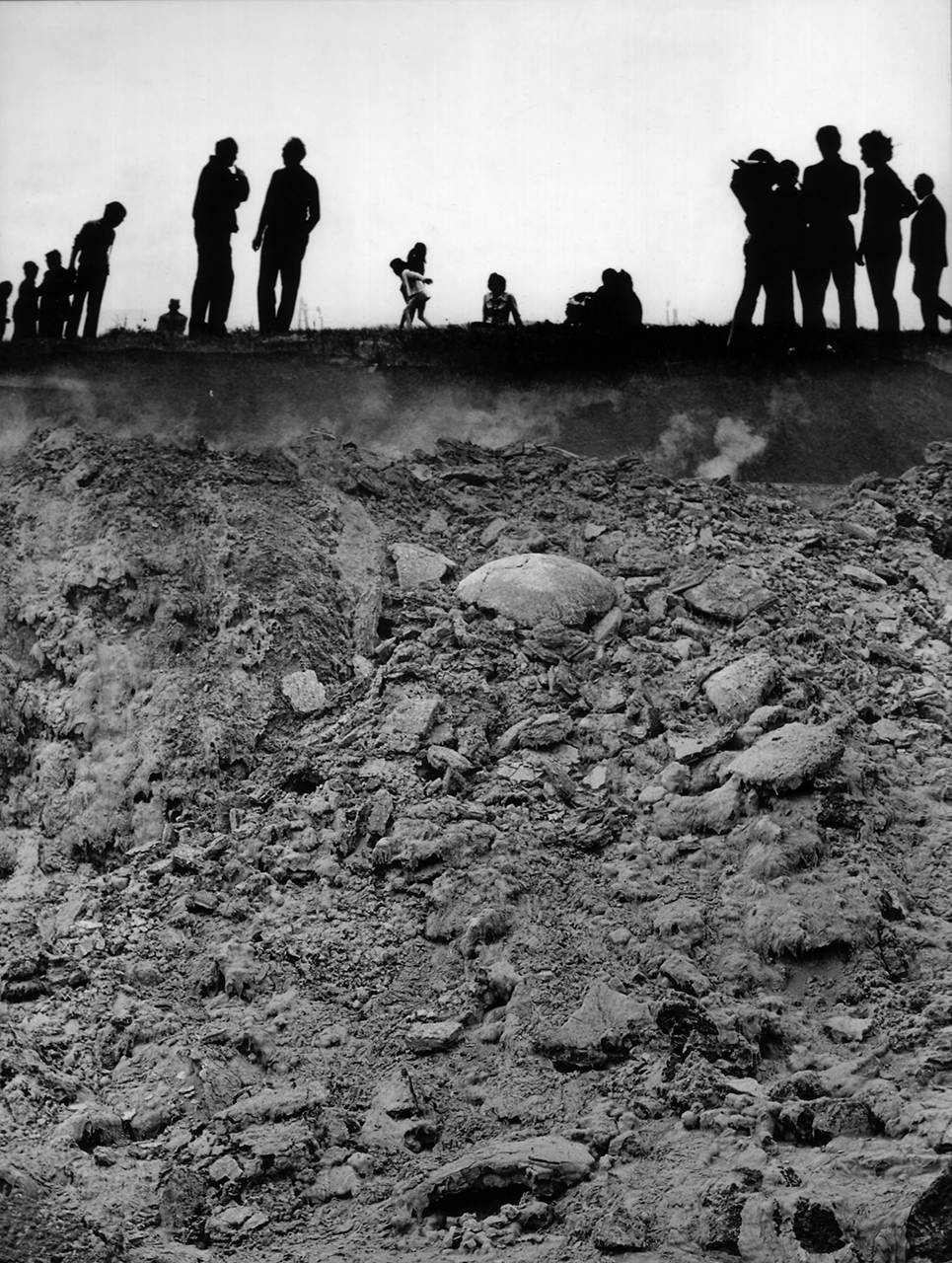
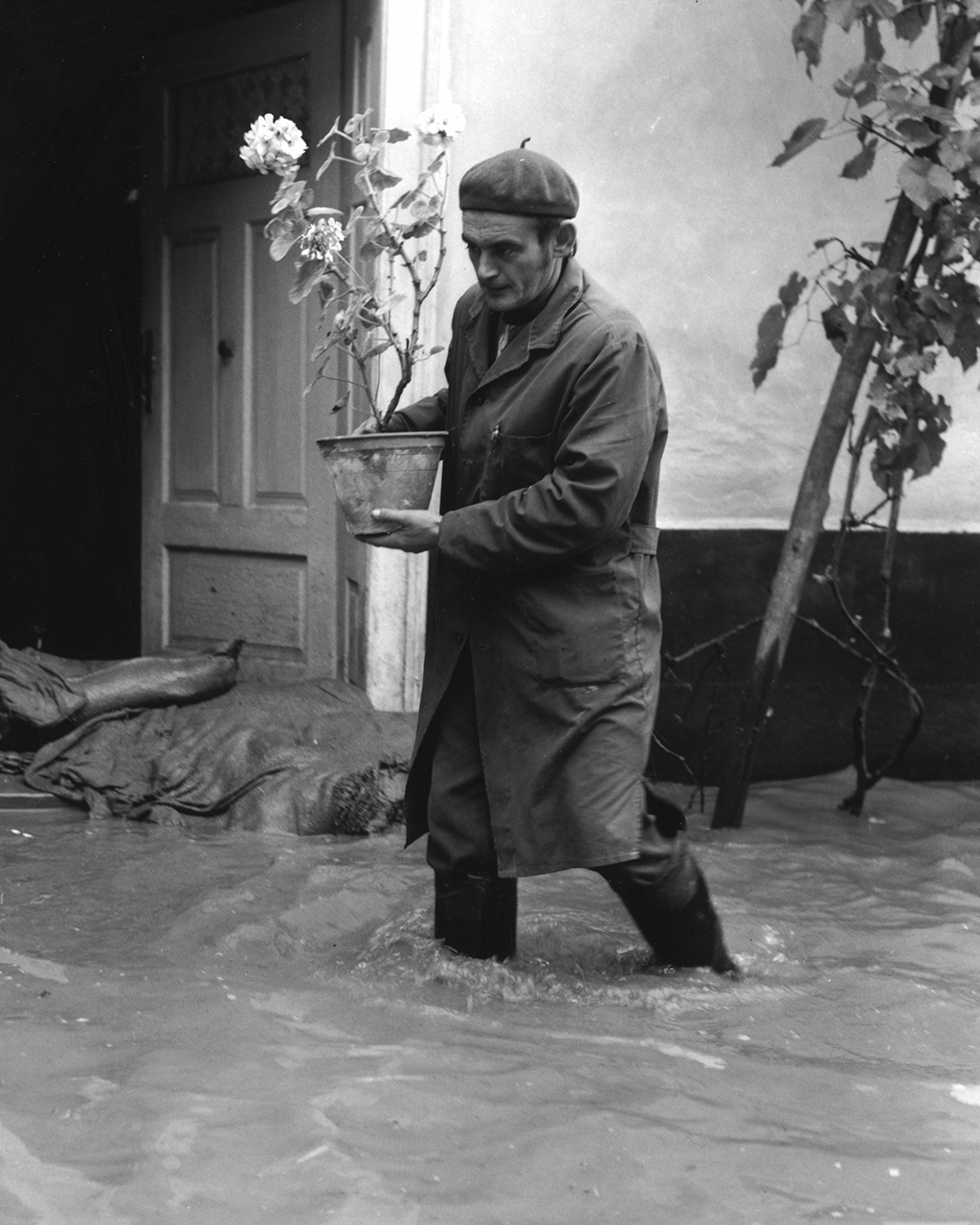
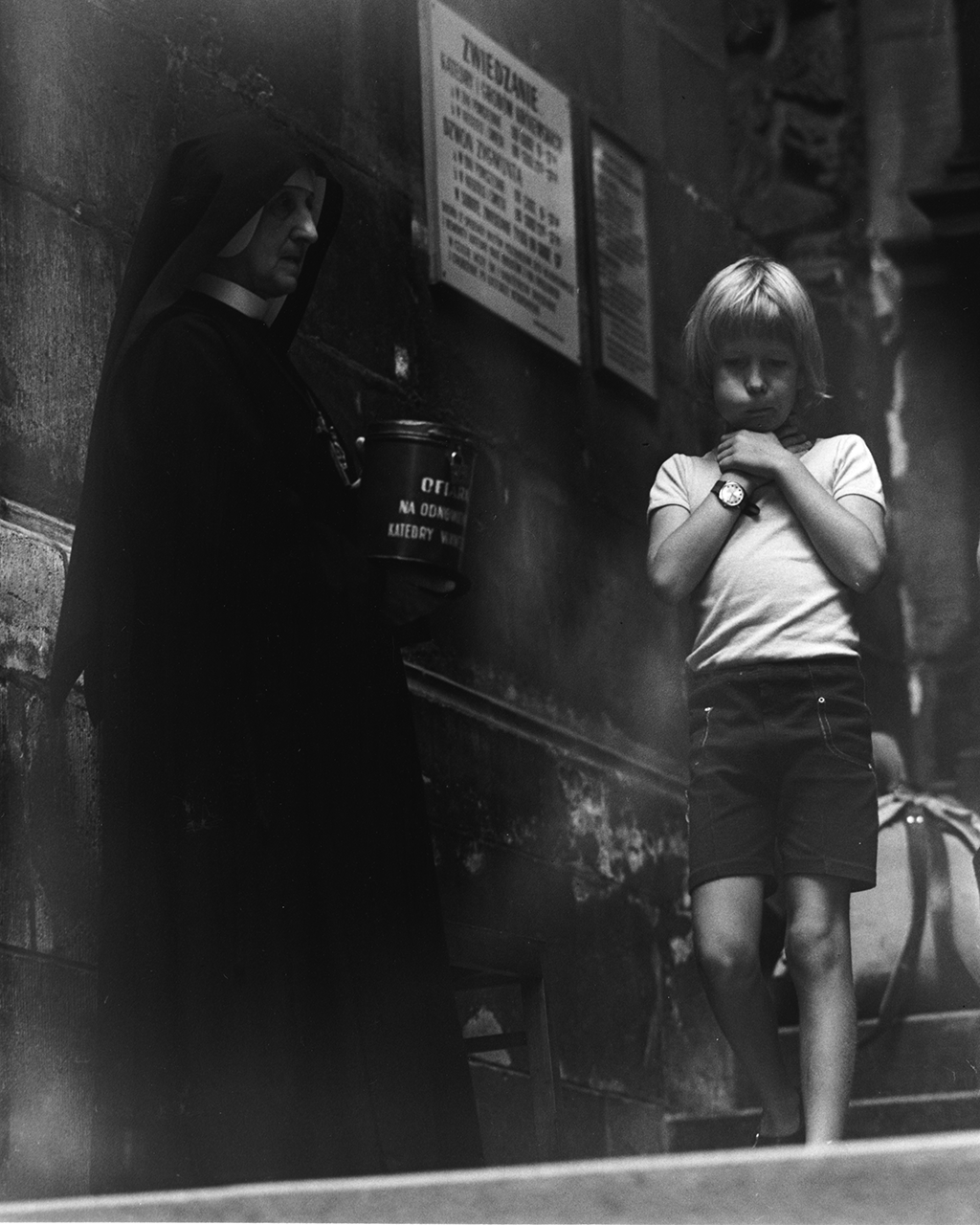
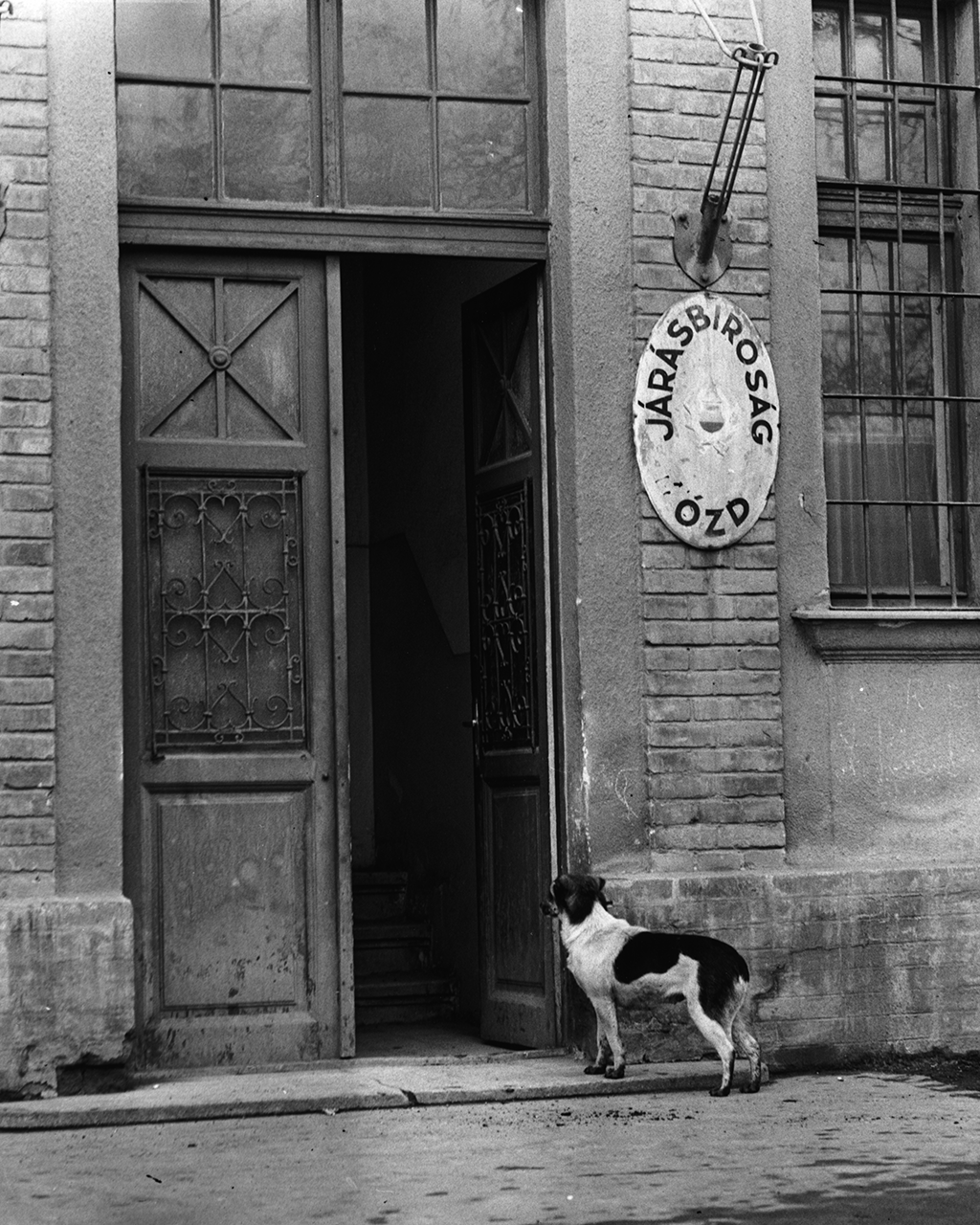
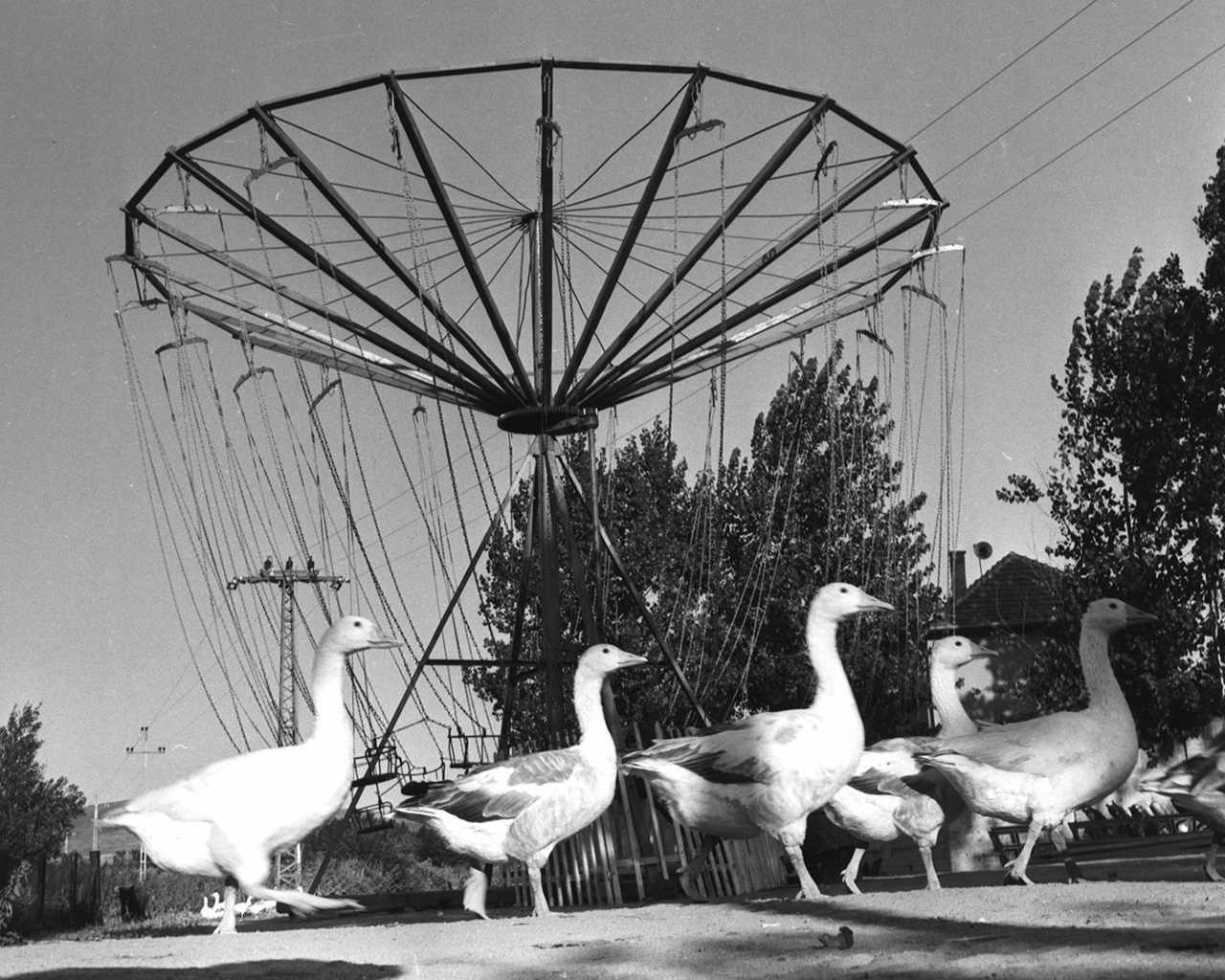
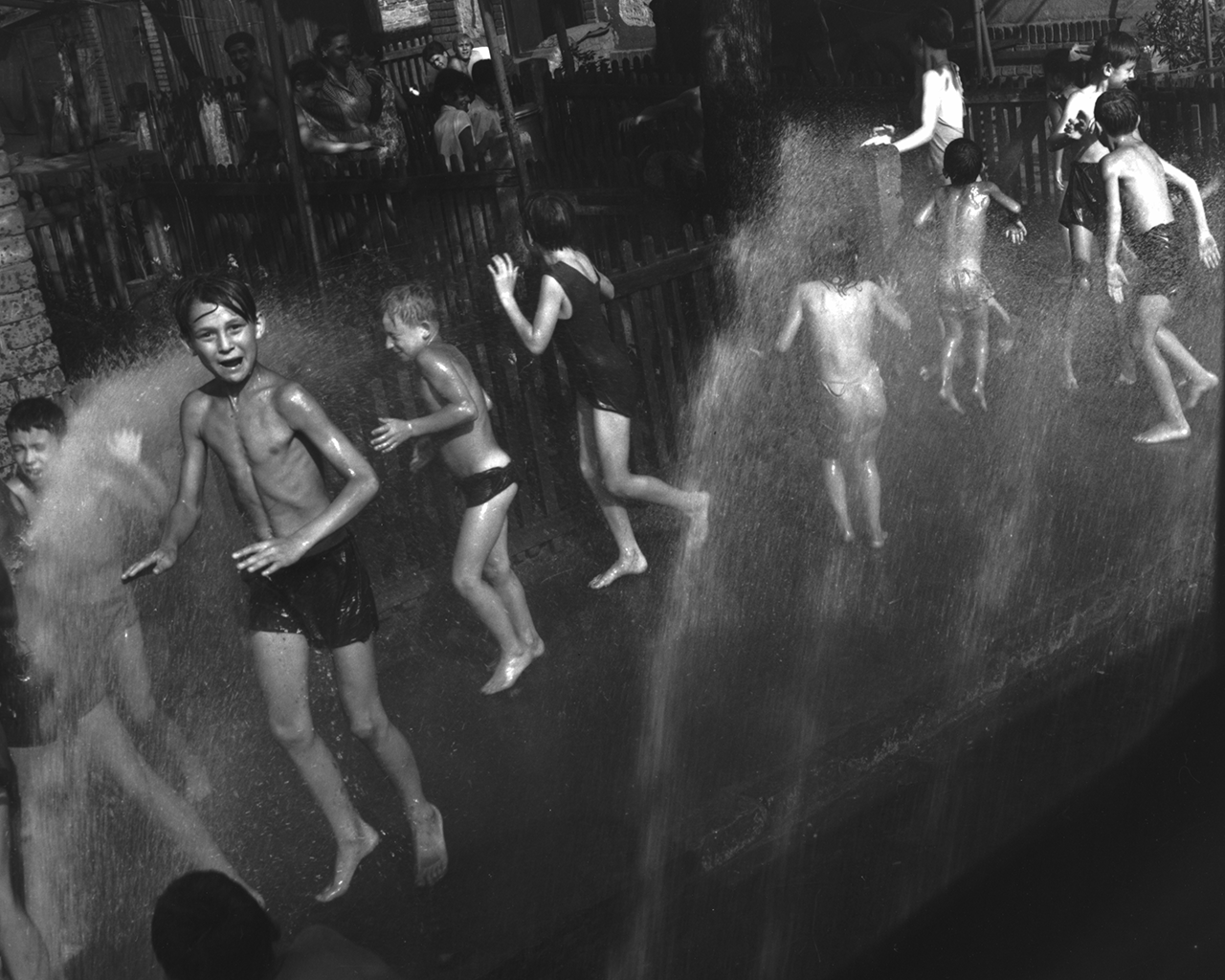
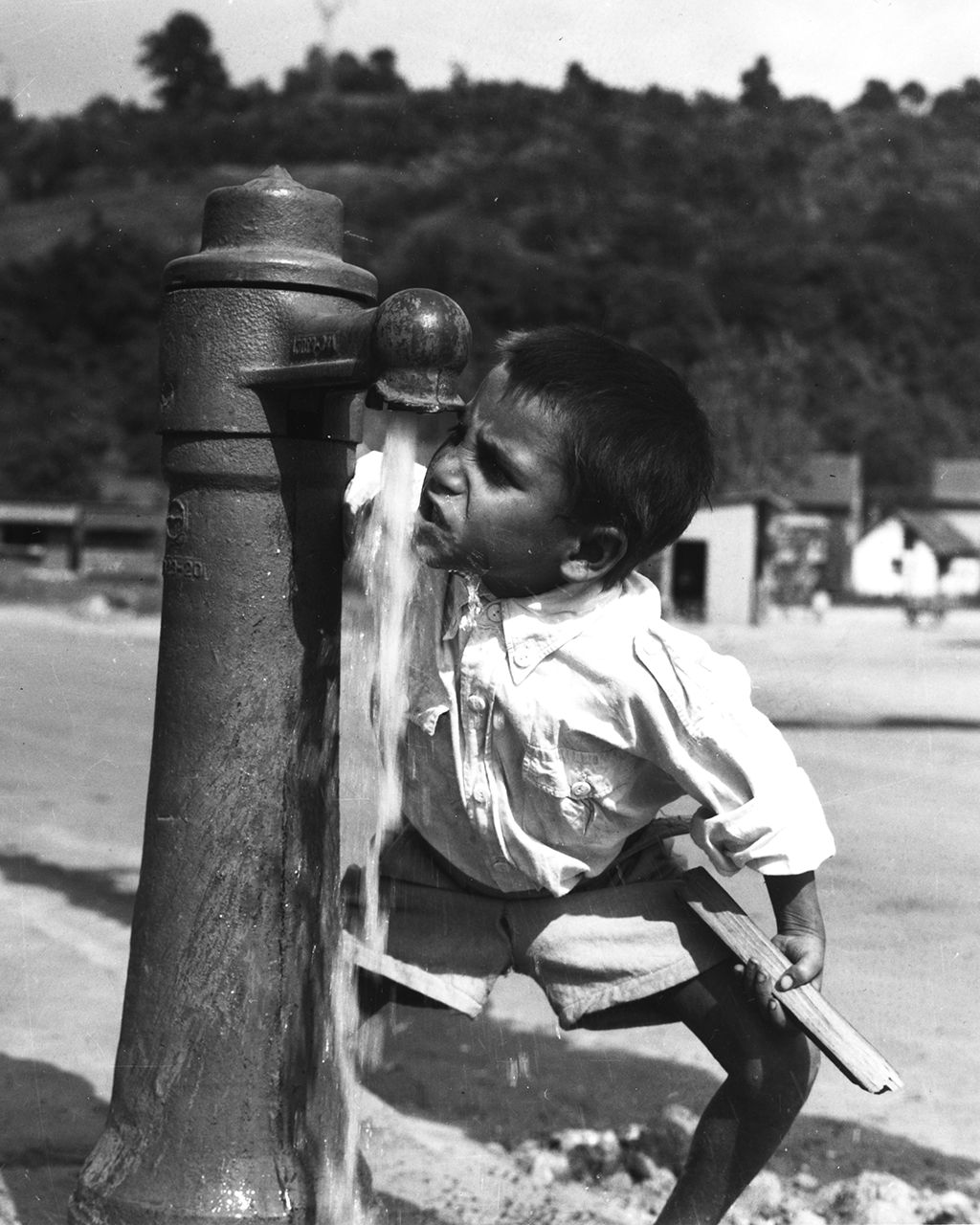
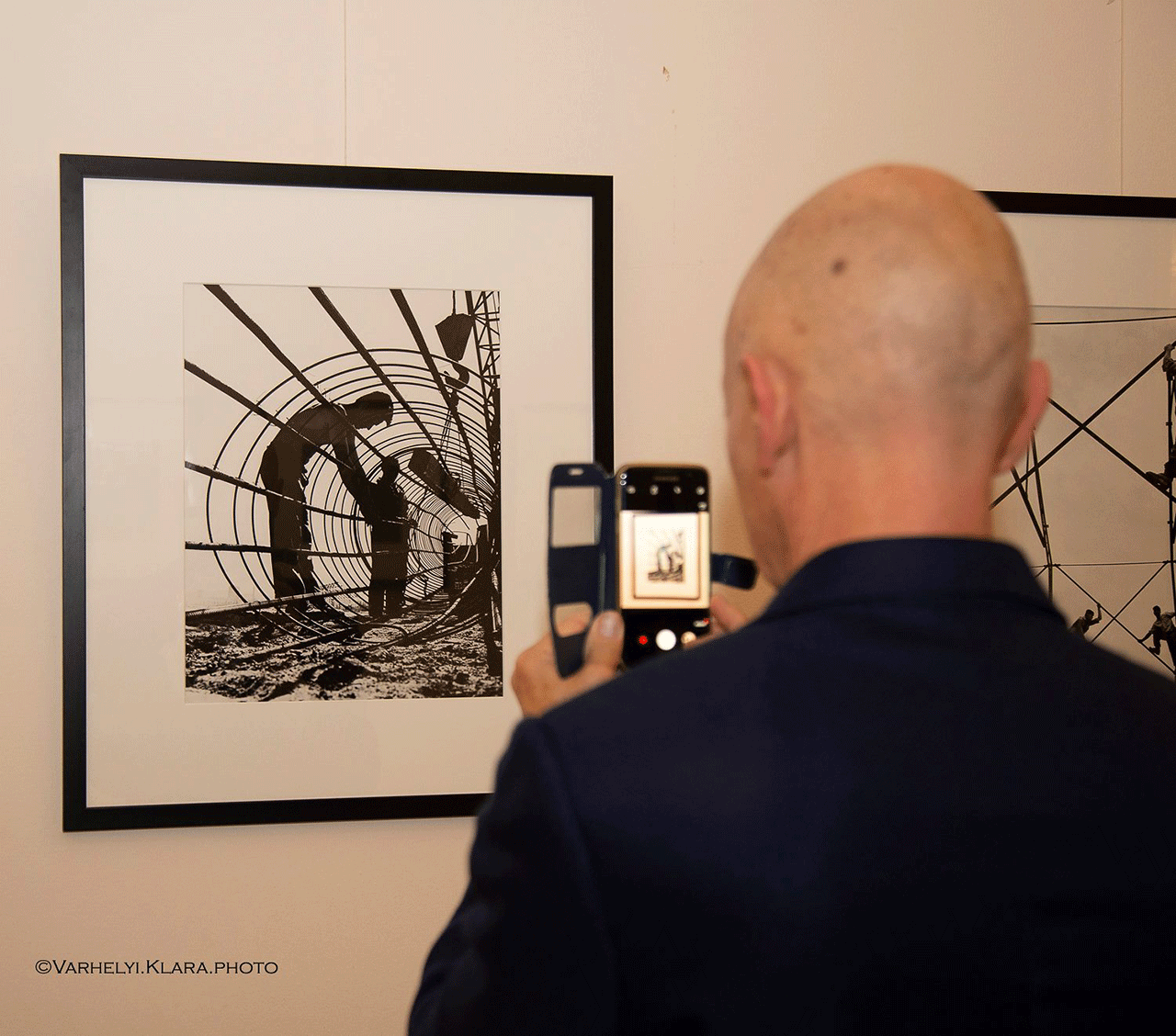
Biography
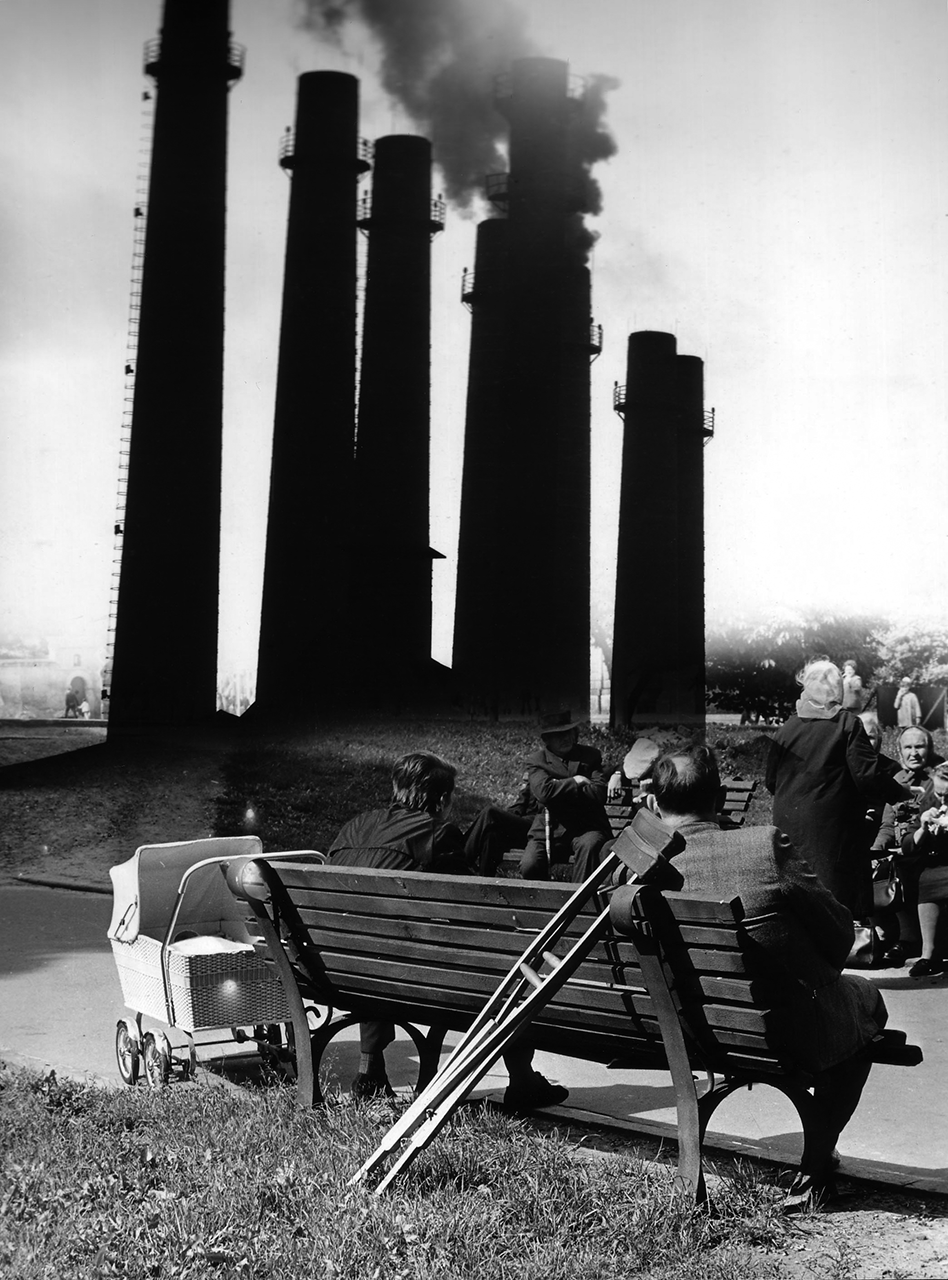
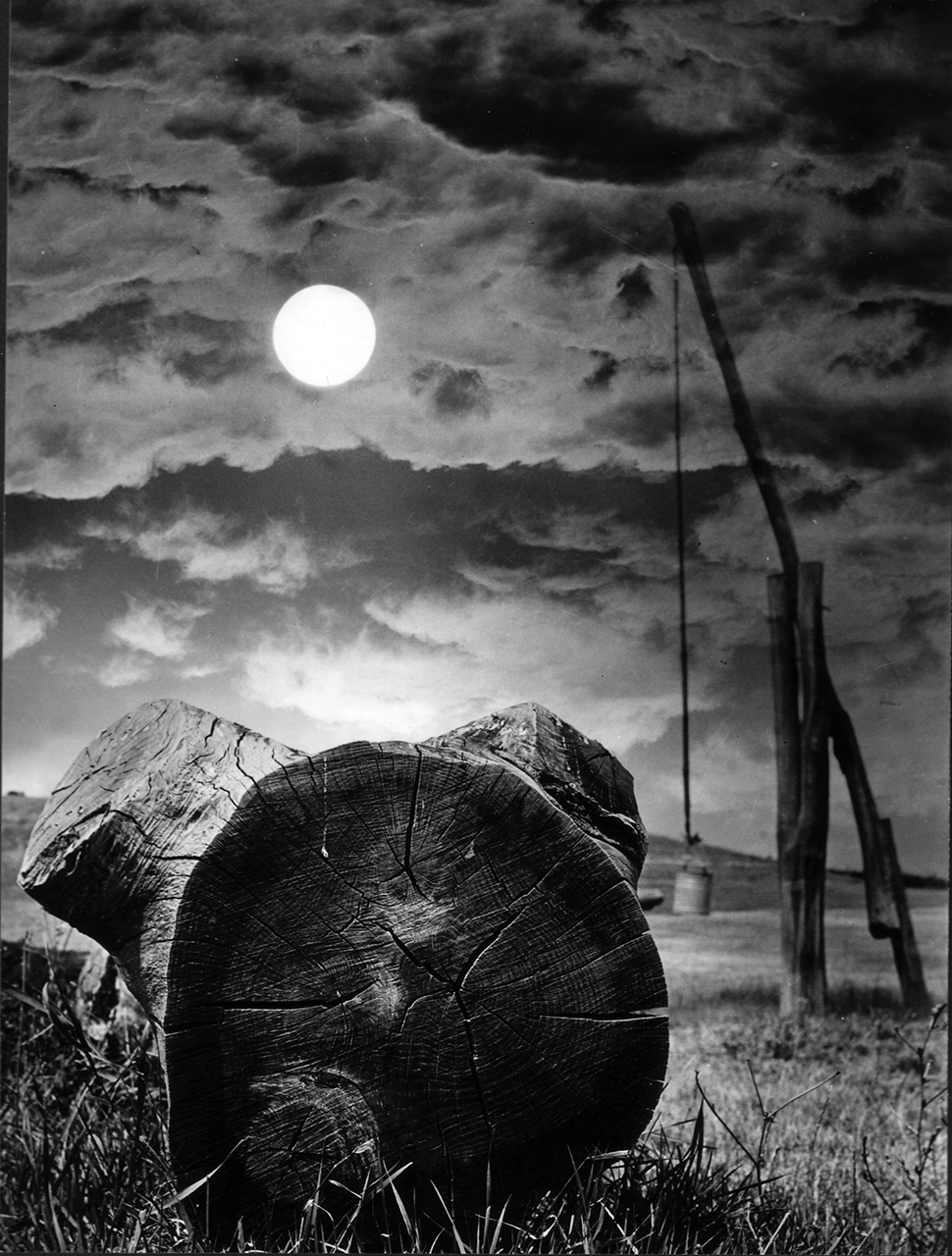
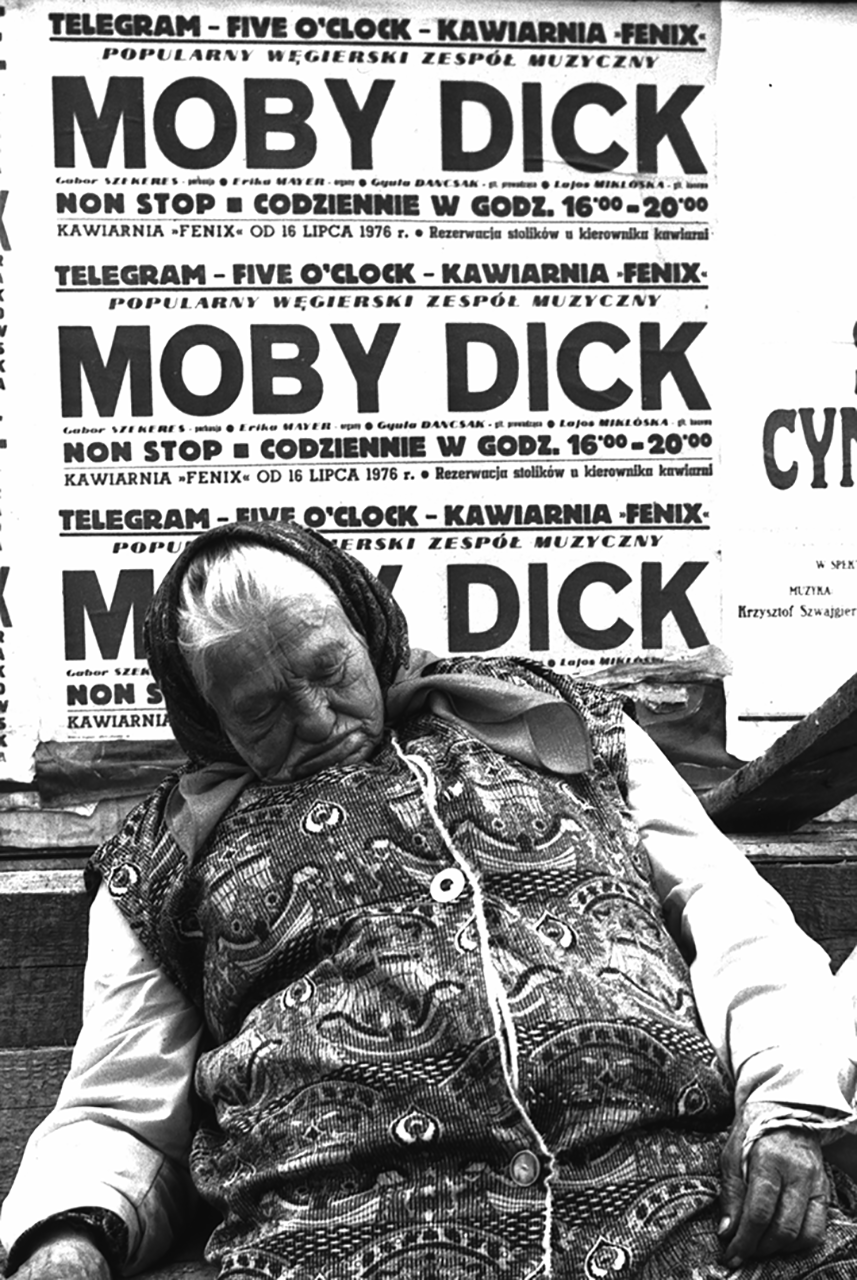
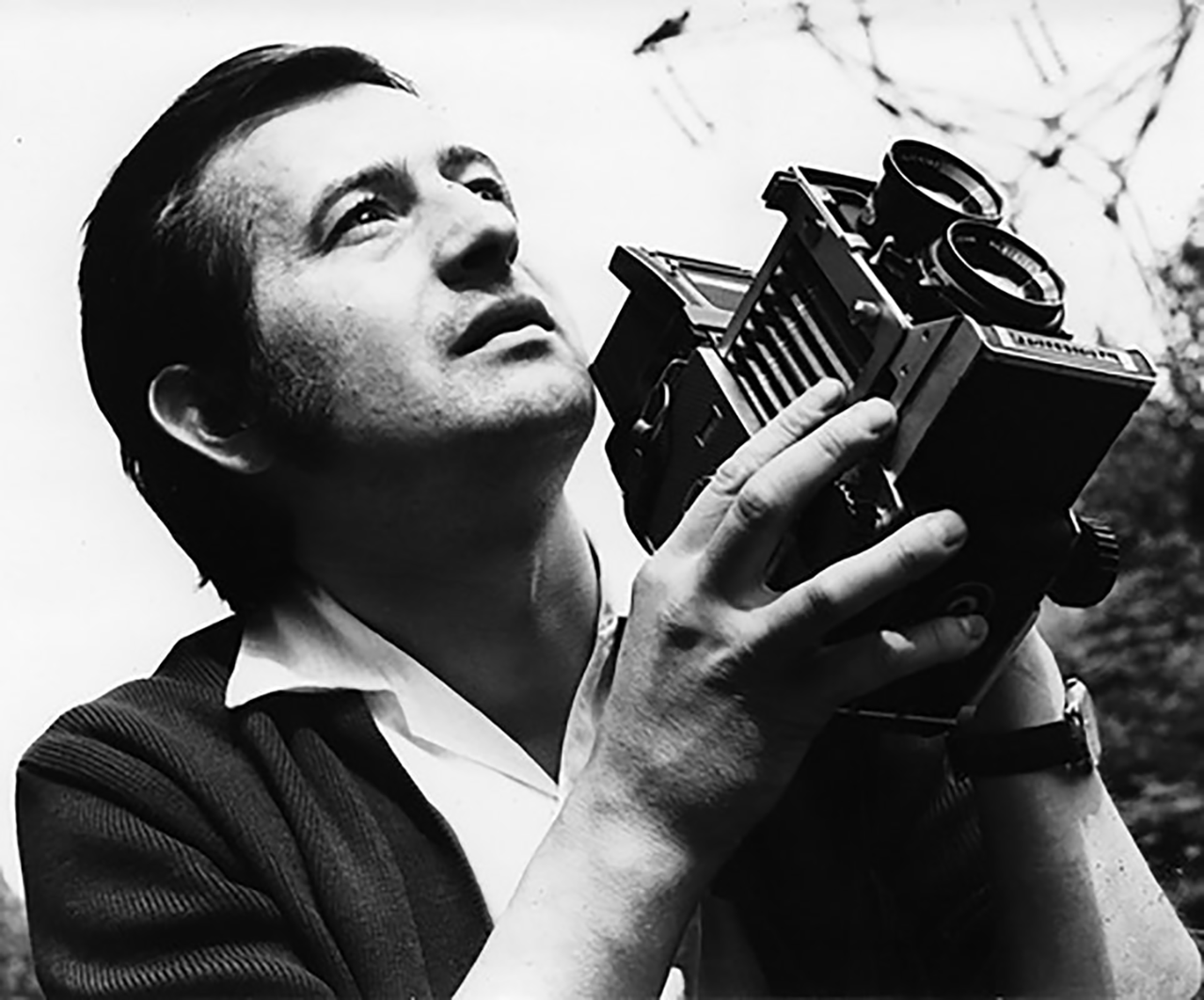
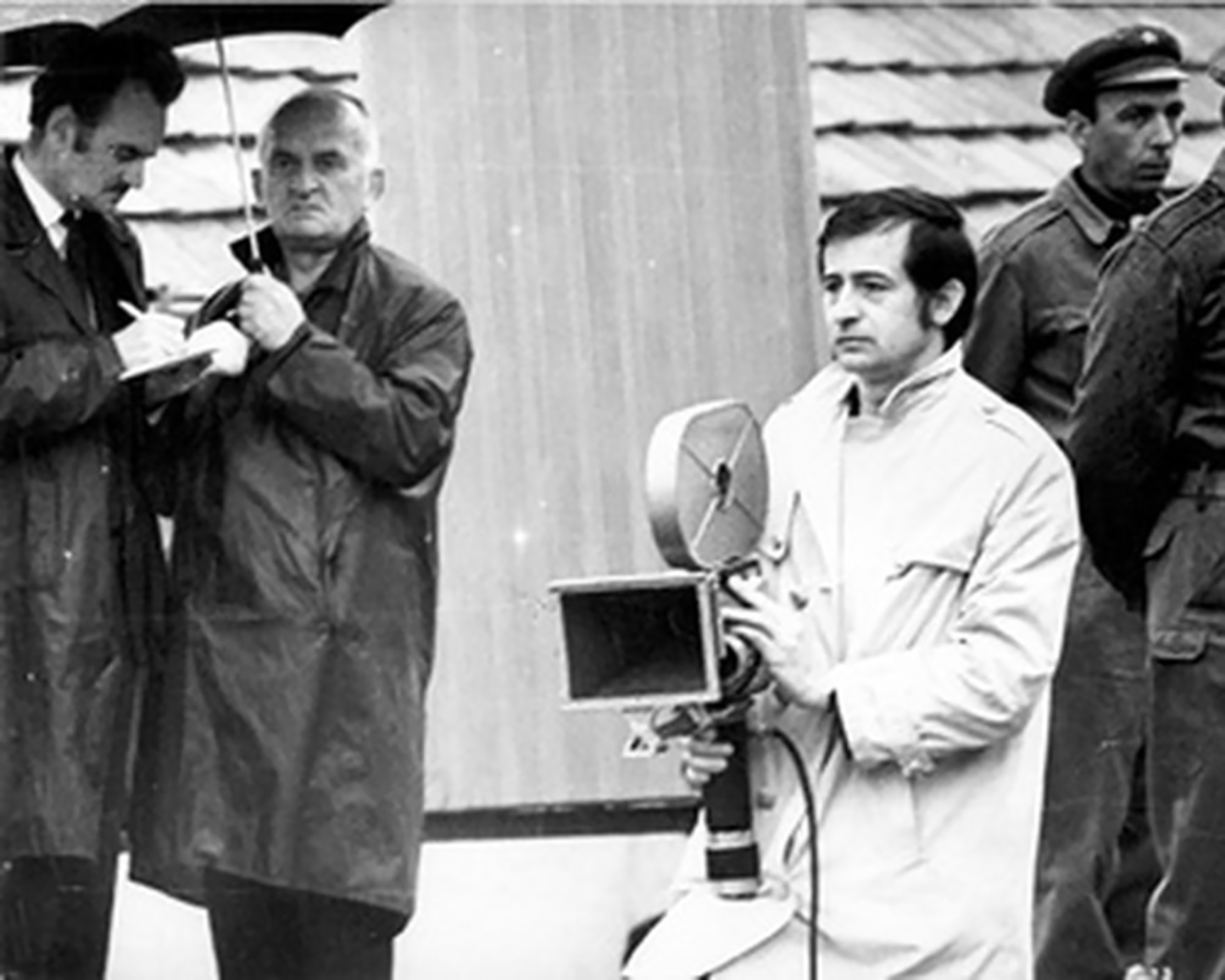
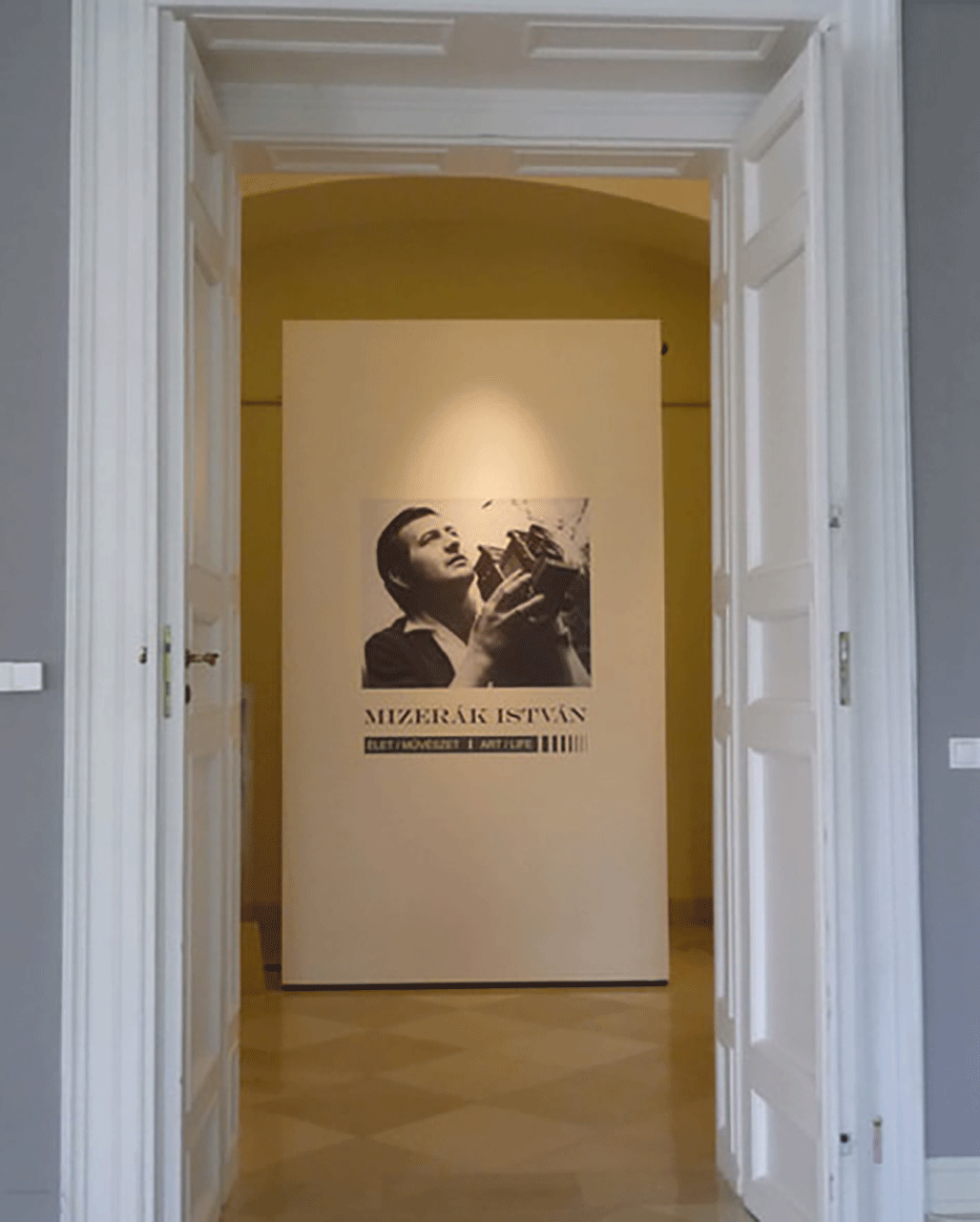
Istvan Mizerak (1942–1998) was a Hungarian photojournalist and fine art photographer during the second half of the twentieth century. His extensive body of work provides a valuable documentary record of everyday life behind the Iron Curtain from the 1960s to the 1990s, with particular attention to the human condition and the built and natural environment. Following his passing in 1998, his two daughters have continued his legacy by preserving and promoting his work through the Istvan Mizerak Foundation.

Work
Istvan Mizerak’s engagement with photography began at an early age. He acquired his first camera at the age of nine through barter, an act that marked the beginning of a sustained and disciplined commitment to the medium. From the outset, he approached photography with technical rigor, independently developing his films and producing his own prints.
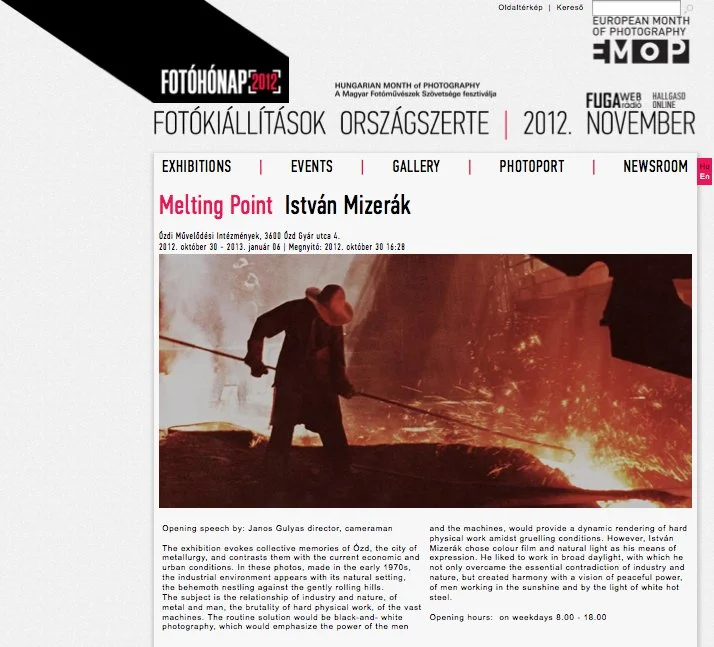
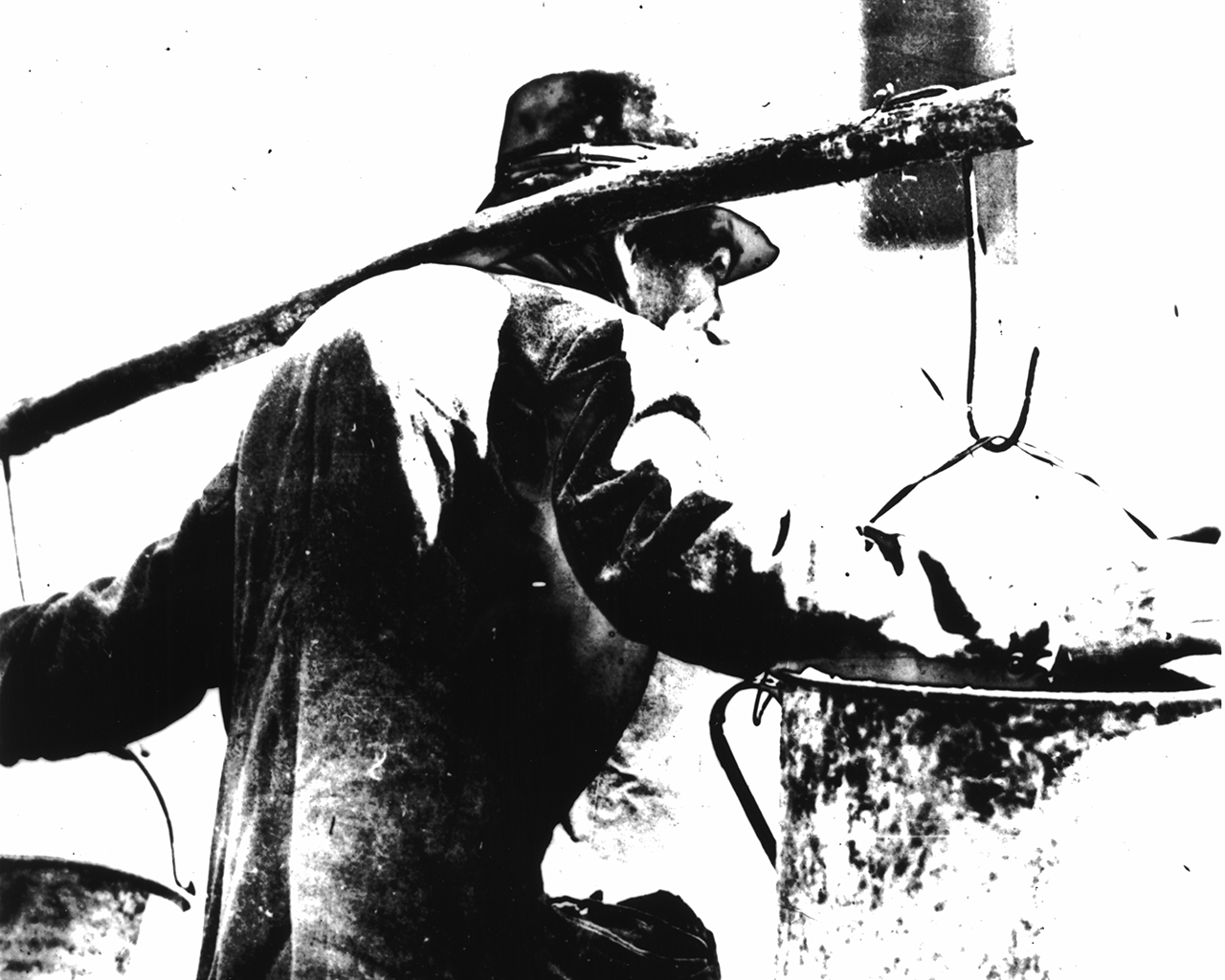
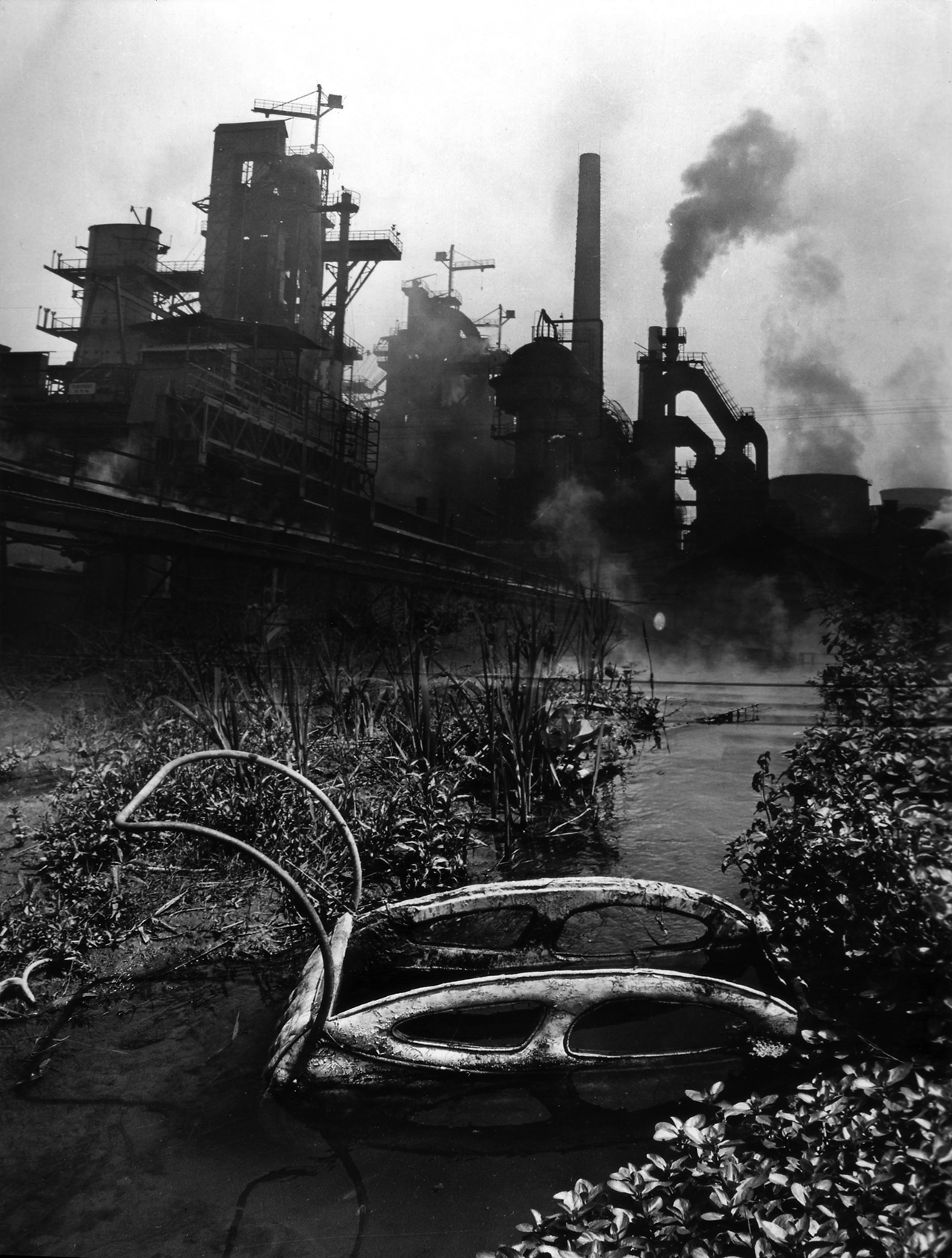
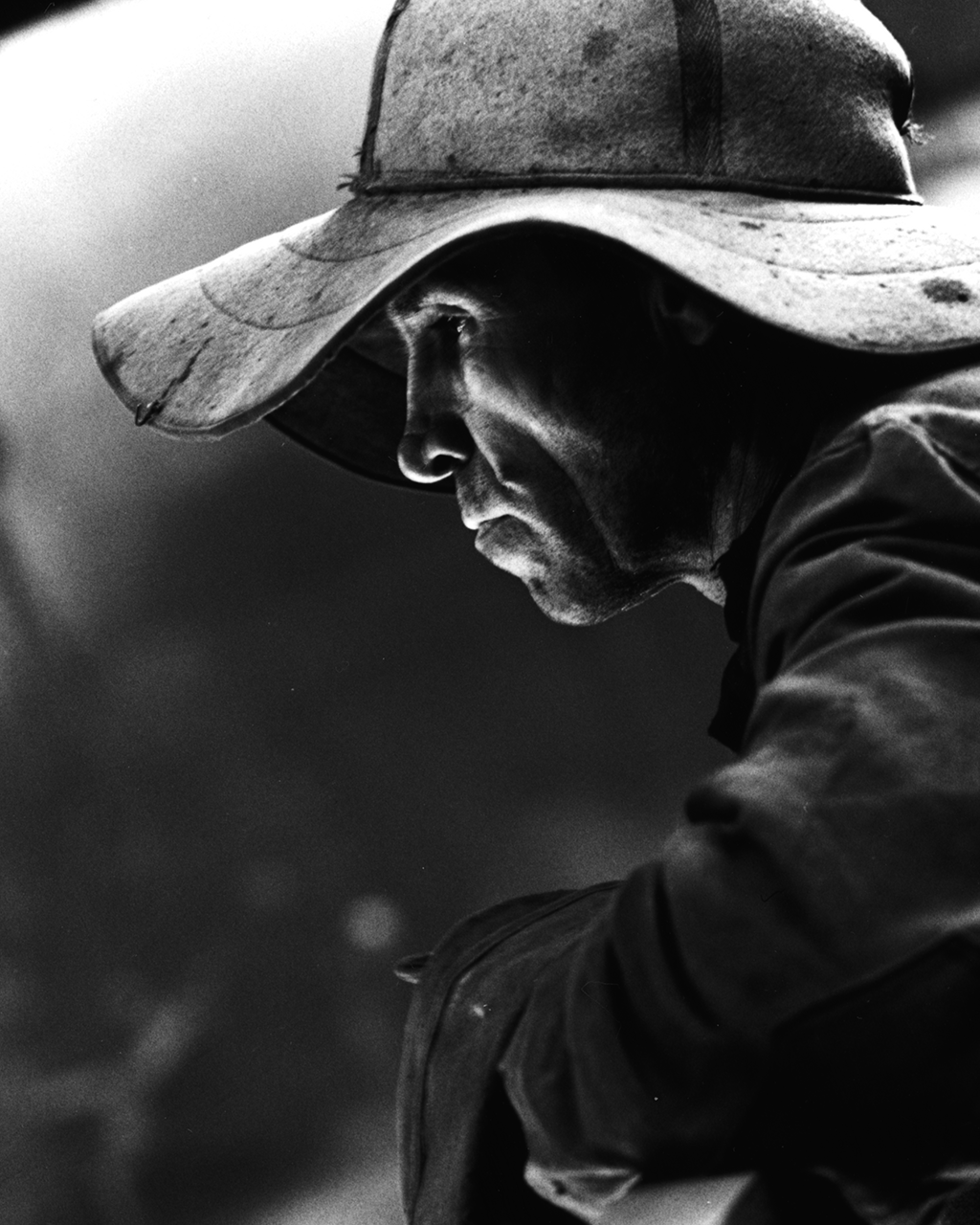
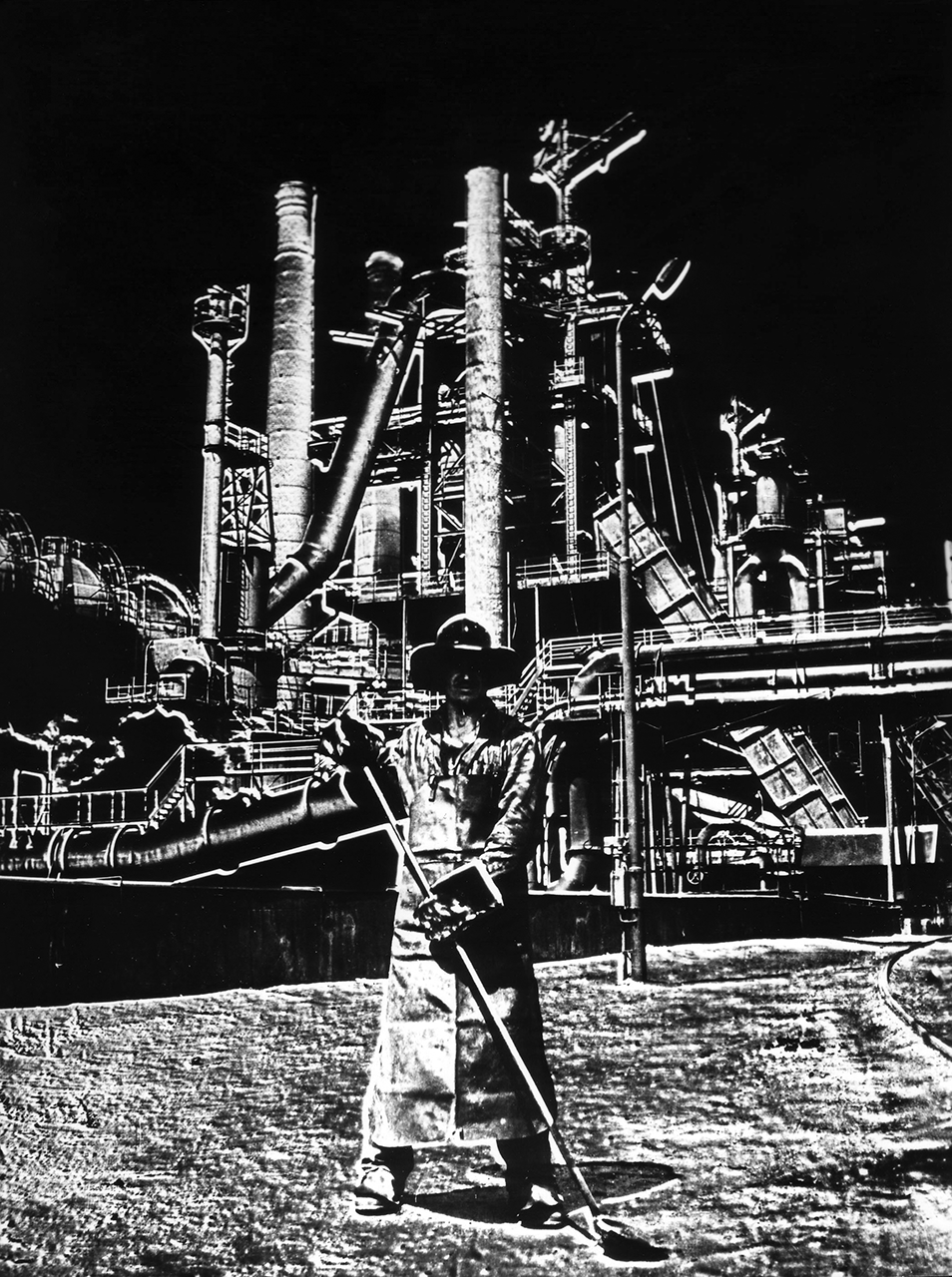
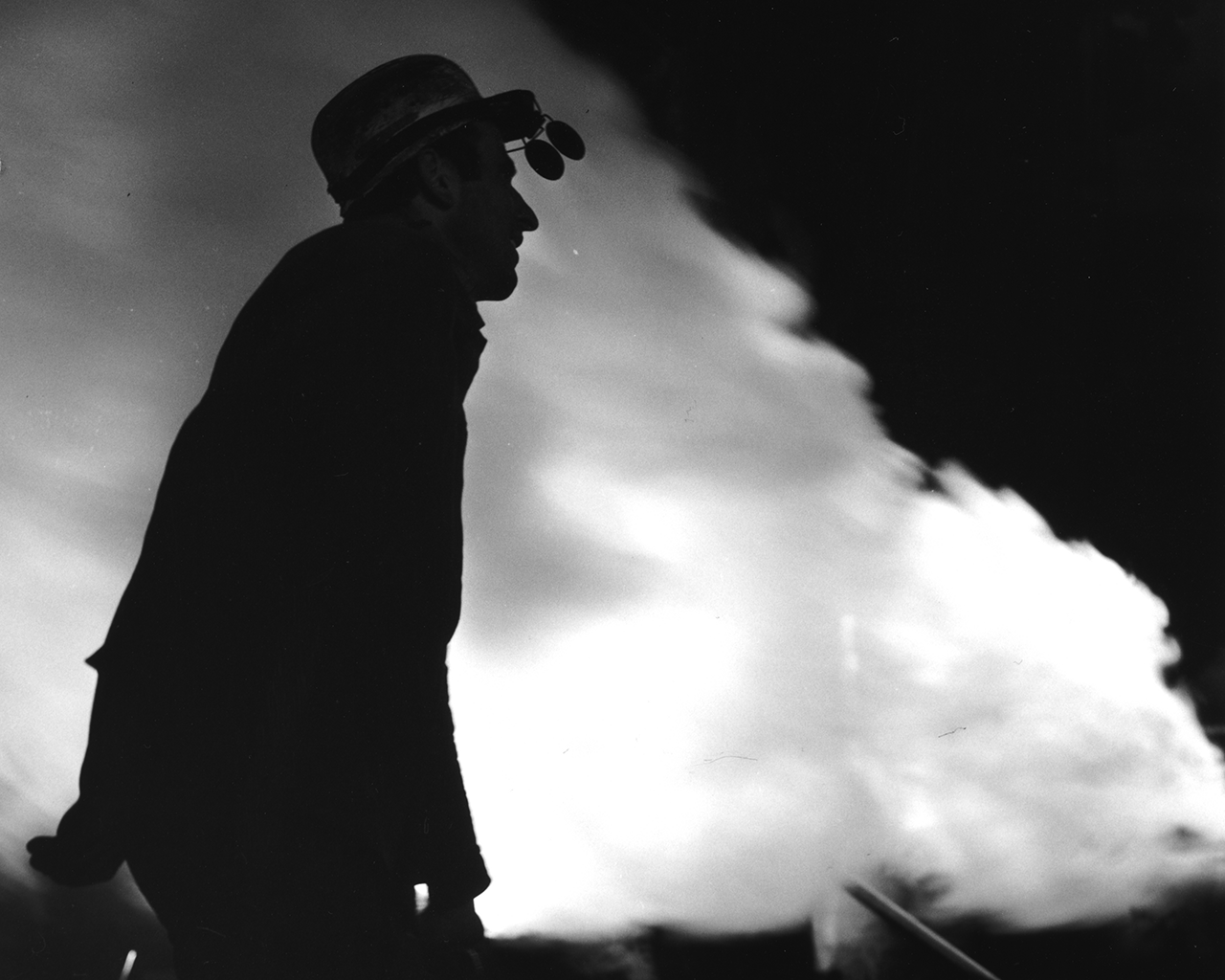
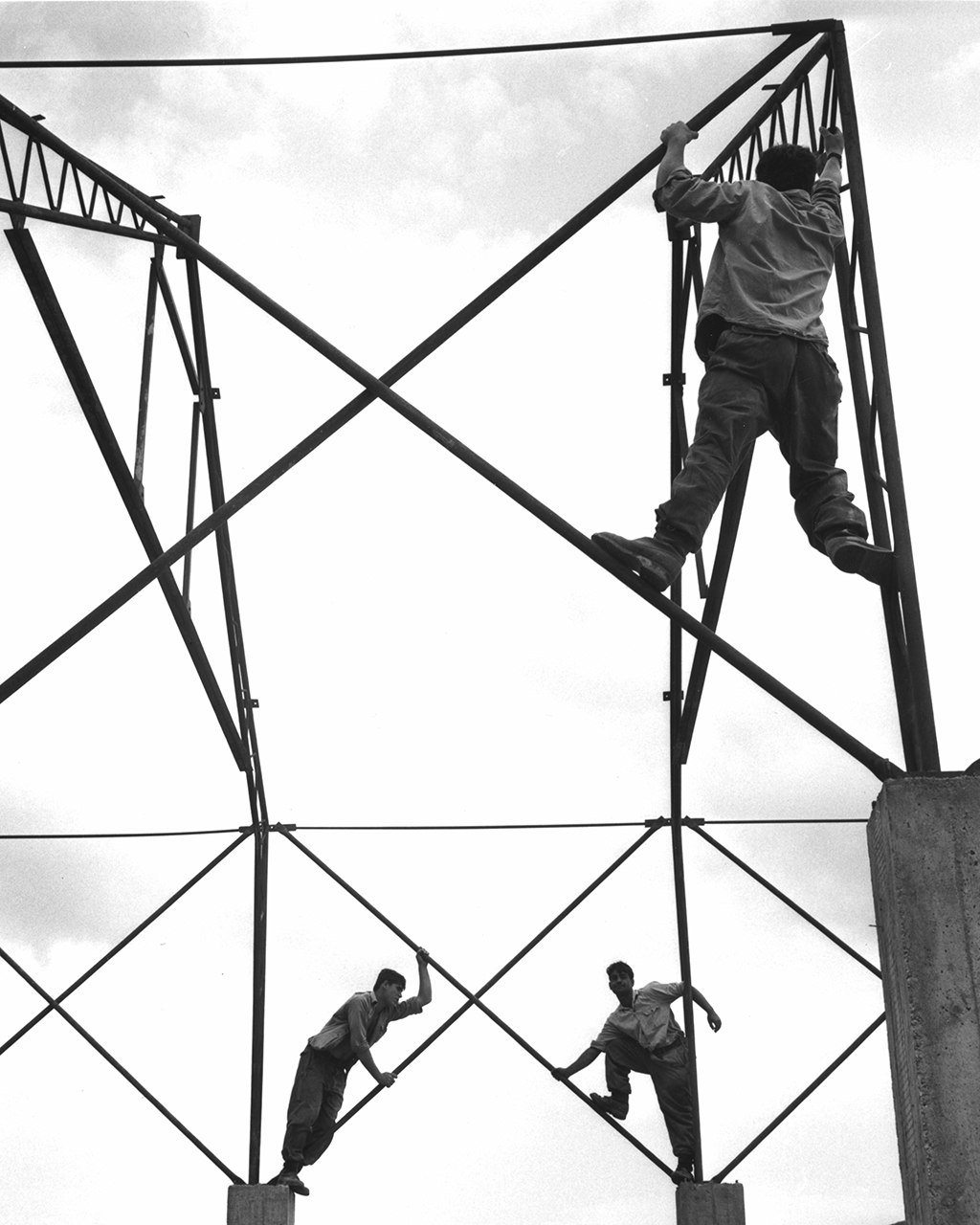
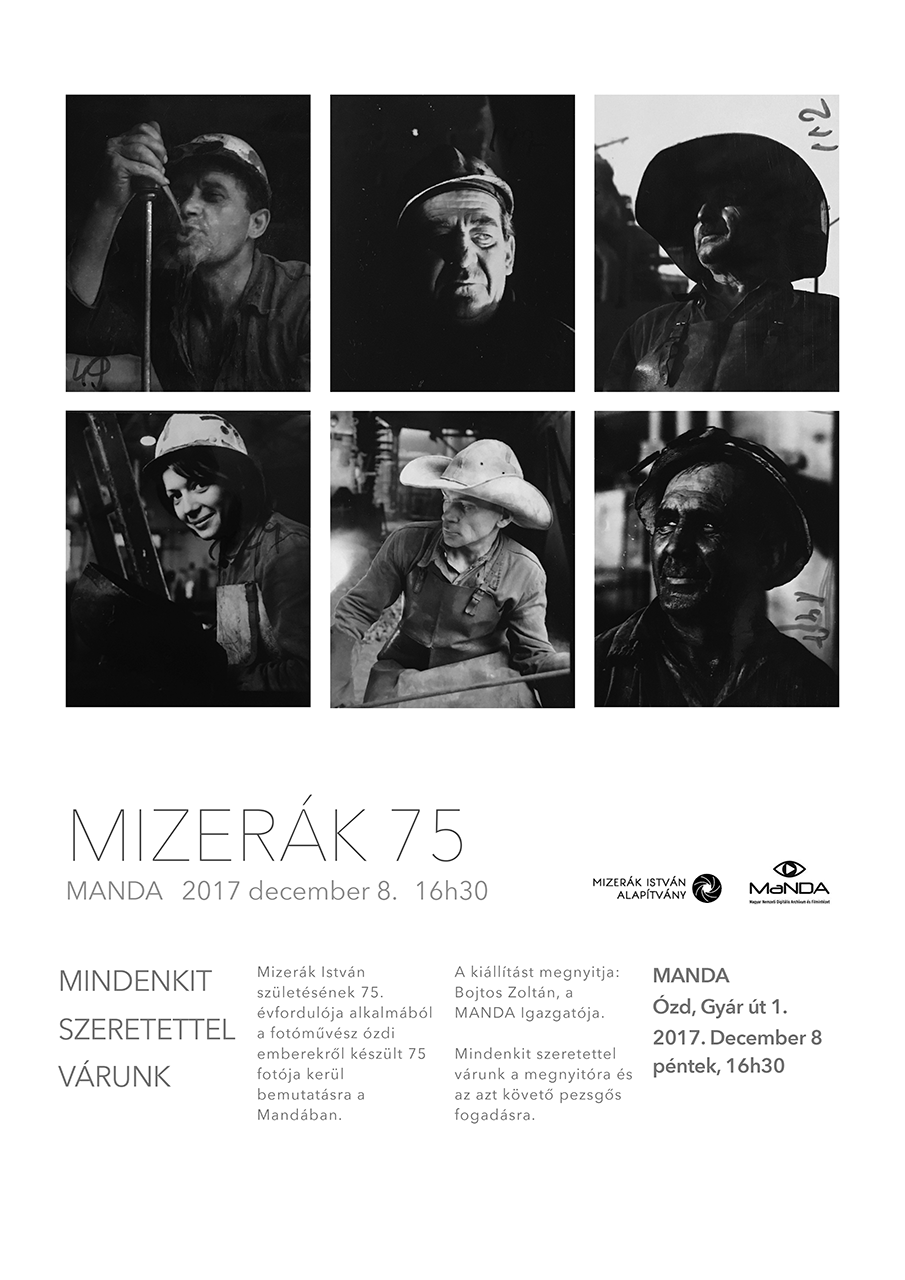
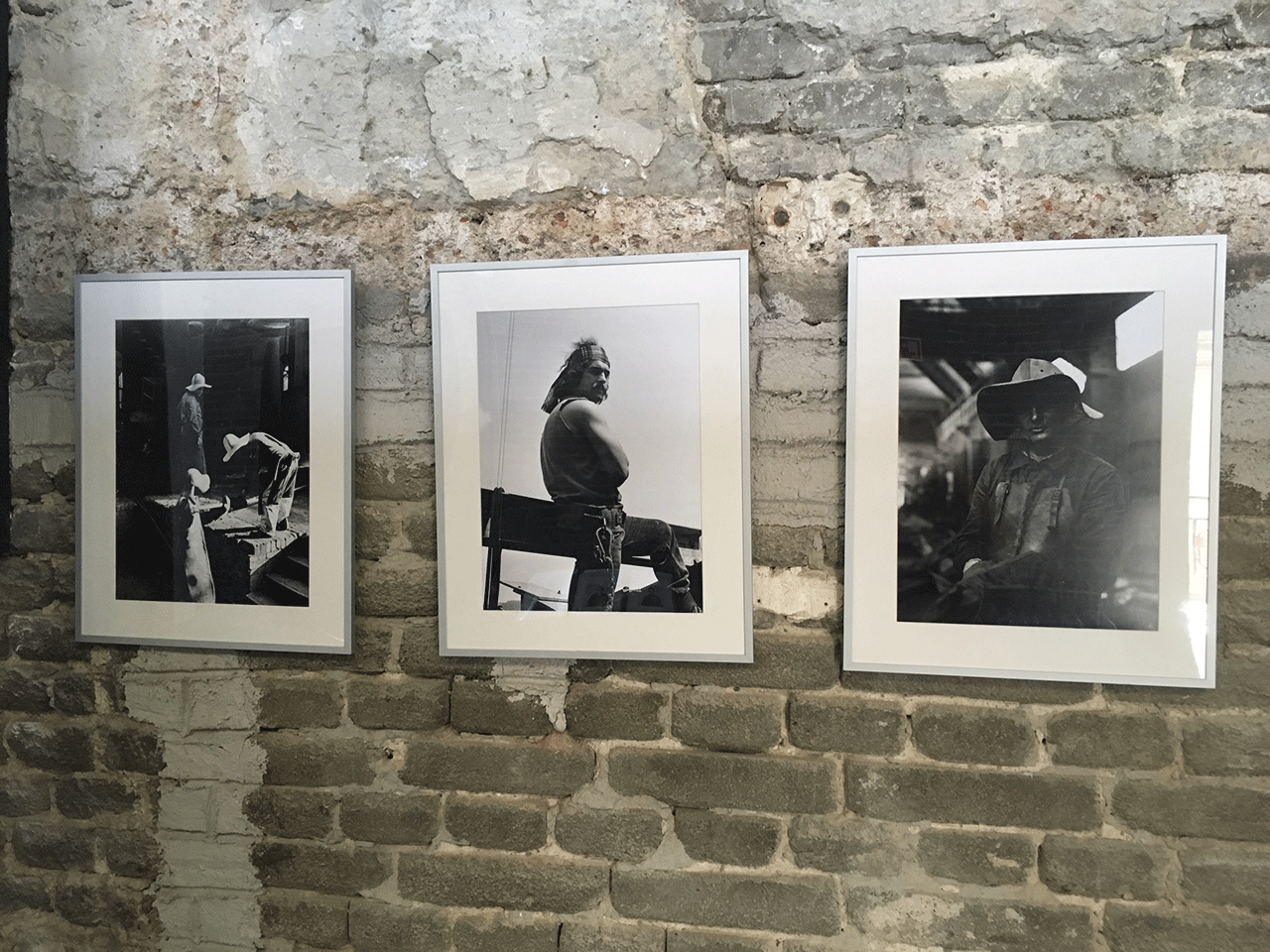
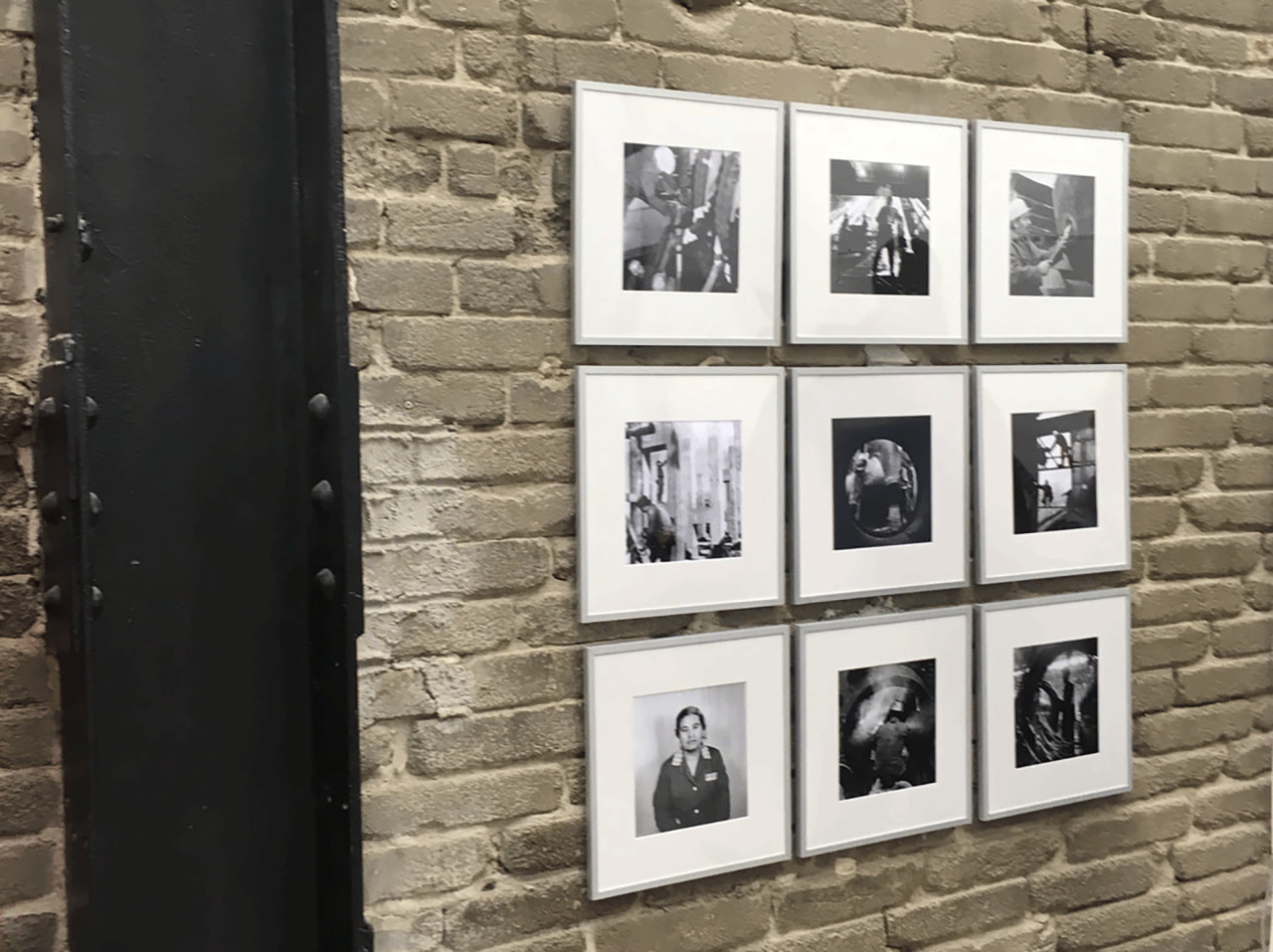
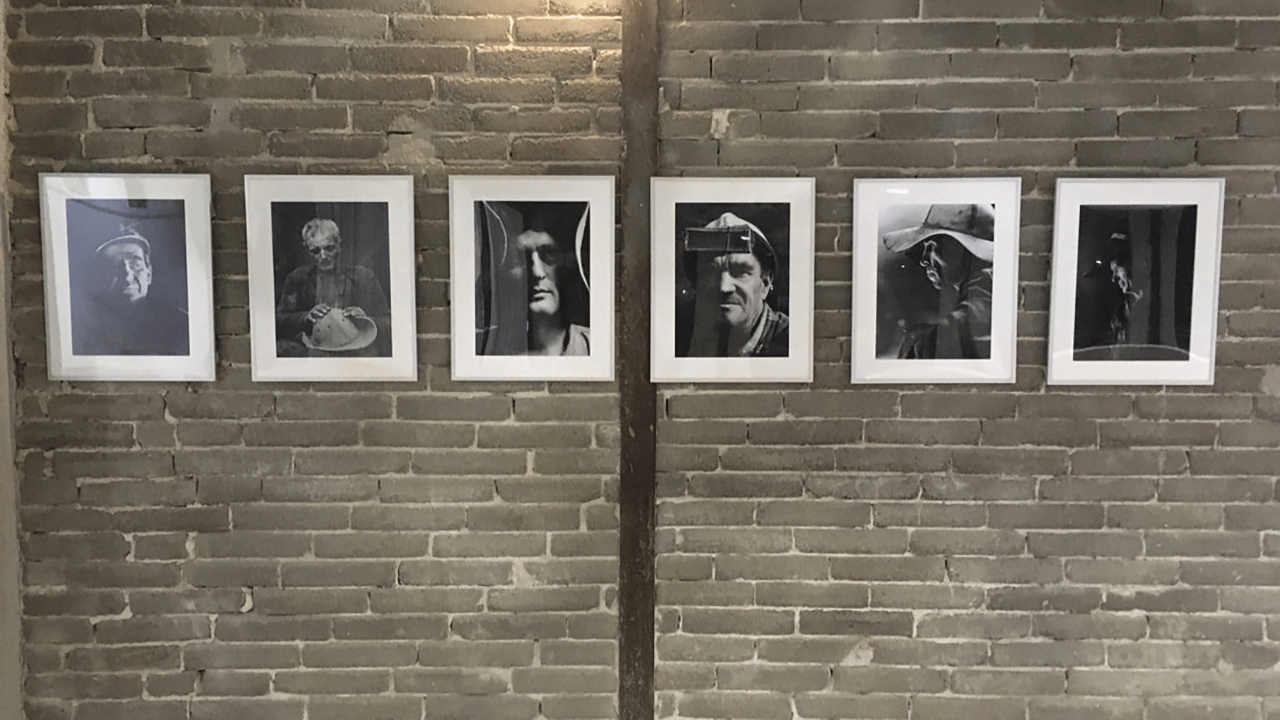
Mizerak obtained his first professional appointment as a photographer at the metallurgical plant in Ózd, where he was employed in the role of protocol photographer. Despite the expectations associated with this position, his work from this period largely avoids overt representations of political authority or institutional power, which appear only sporadically and often with ironic detachment. Instead, his photographs focus on the daily lives of industrial workers, portraying figures engaged in physically demanding labor amid the intense conditions of steel production. Mizerak demonstrated a distinct sensitivity to the formal qualities of the industrial environment, finding visual coherence in its raw geometries. A substantial portion of his oeuvre is devoted to metallurgy and ironworkers, with an emphasis on human dignity, resilience, and the heroic dimensions of labor within pre-robotic industrial production.
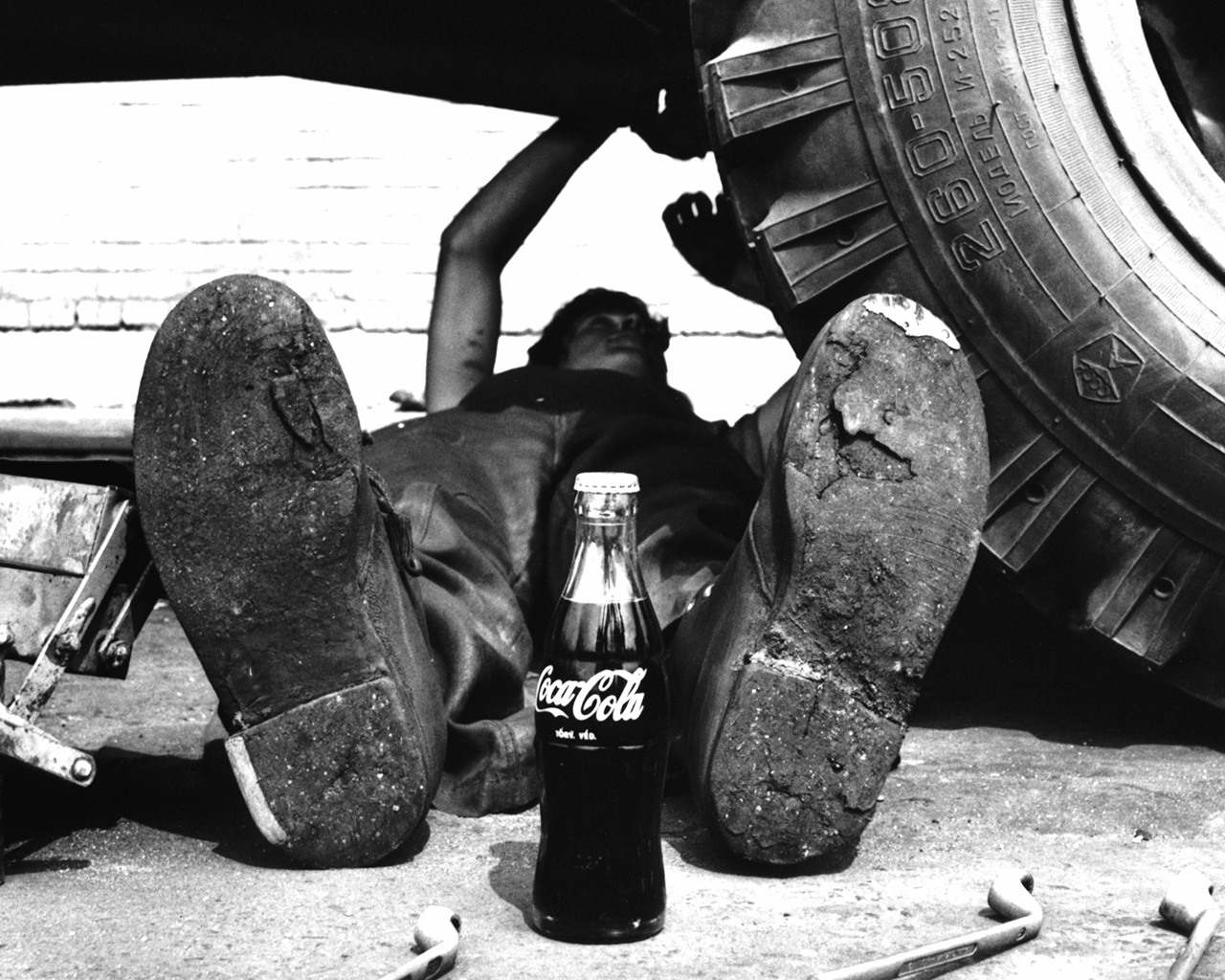
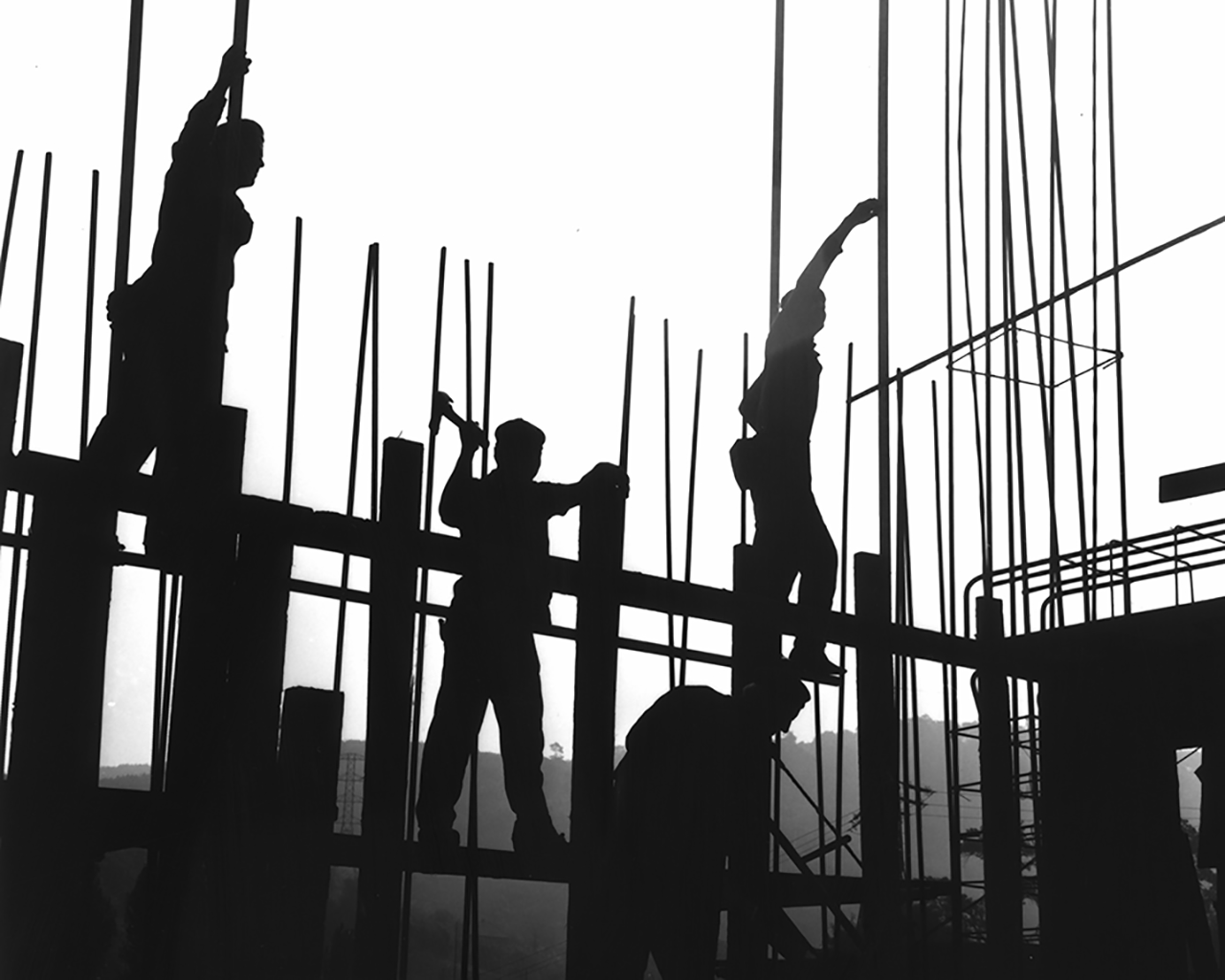
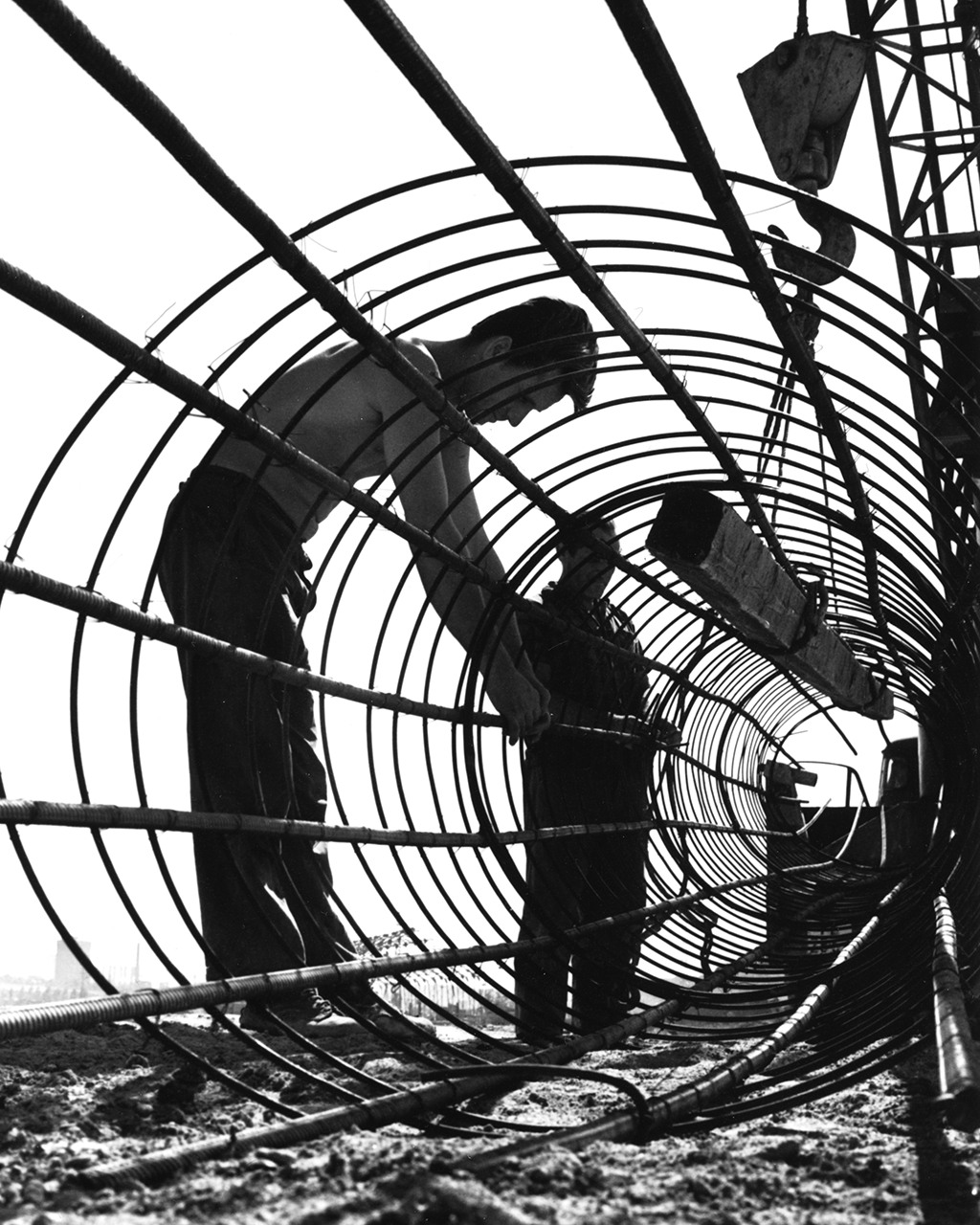
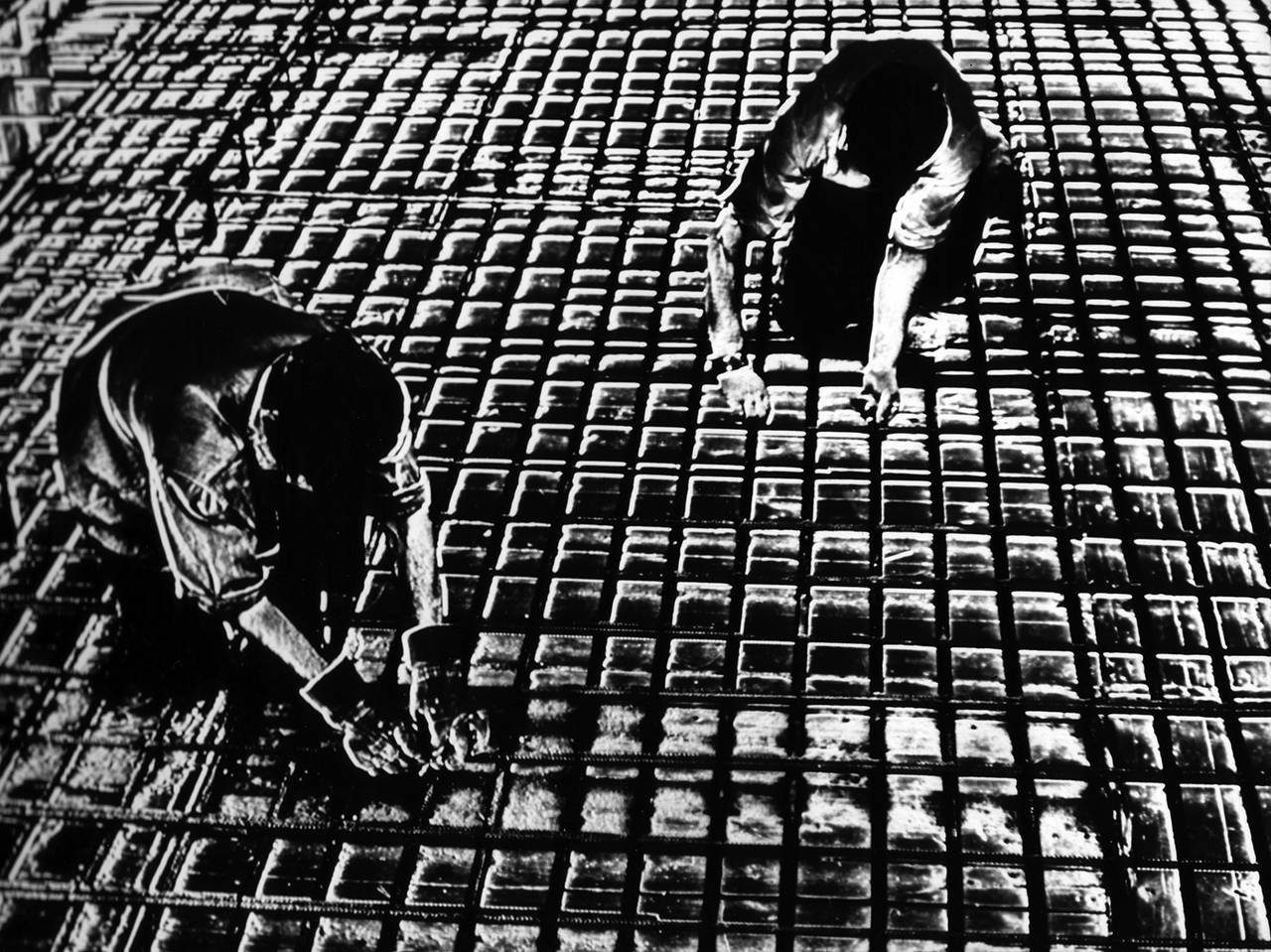
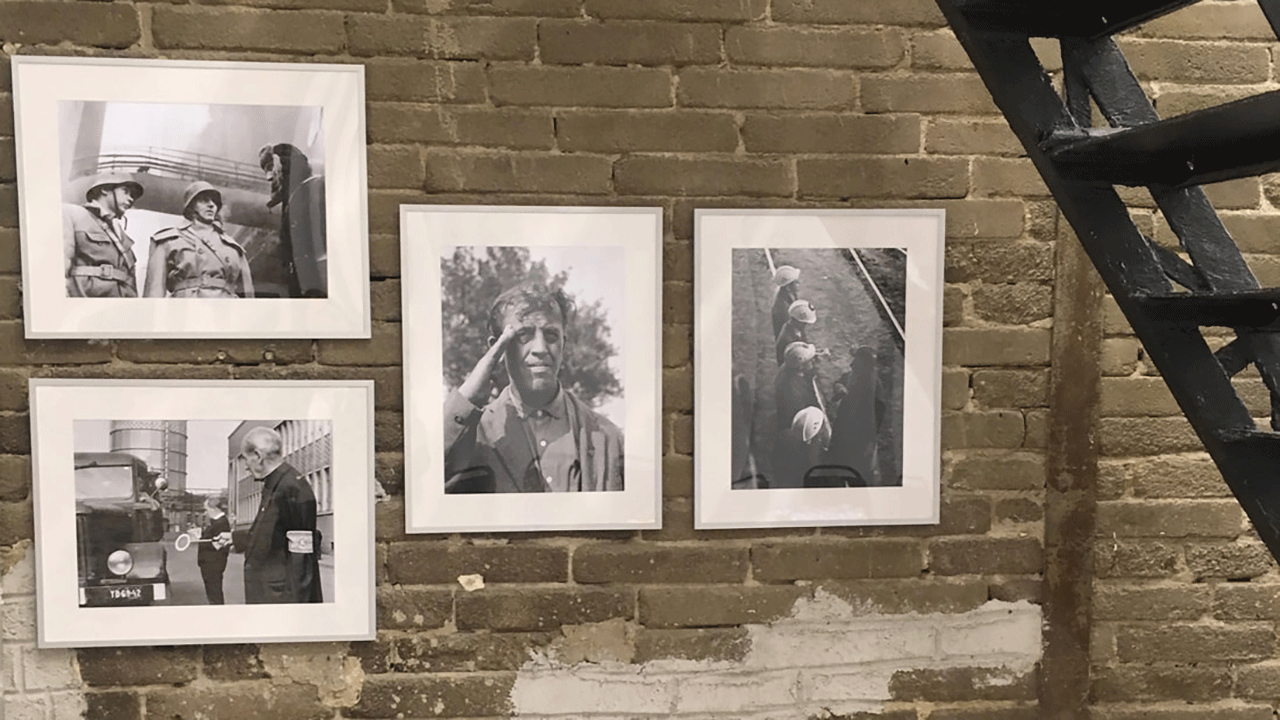
In 1968, Mizerak became a correspondent for the Hungarian News Agency (MTI), a position he later described as formative to his professional development. Working as a photojournalist within the institutional framework, Mizerak operated under expectations that photography should support narratives of productivity and social cohesion. Rather than focusing on official events or ideological display, he consistently directed his attention toward ordinary moments, material environments, and the physical realities of labor. In doing so, he produced images that prioritize experience over spectacle and observation over assertion. Workers are depicted neither as anonymous symbols nor as heroic types, but as individuals situated within particular social and spatial contexts. At the same time, his images demonstrate a strong sensitivity to composition, rhythm, and light—especially in industrial settings—where aesthetic coherence emerges from the structure of the environment itself rather than from stylistic manipulation. His photographs function both as historical records and as carefully considered visual statements, offering a durable account of everyday life and labor in late socialist Hungary.
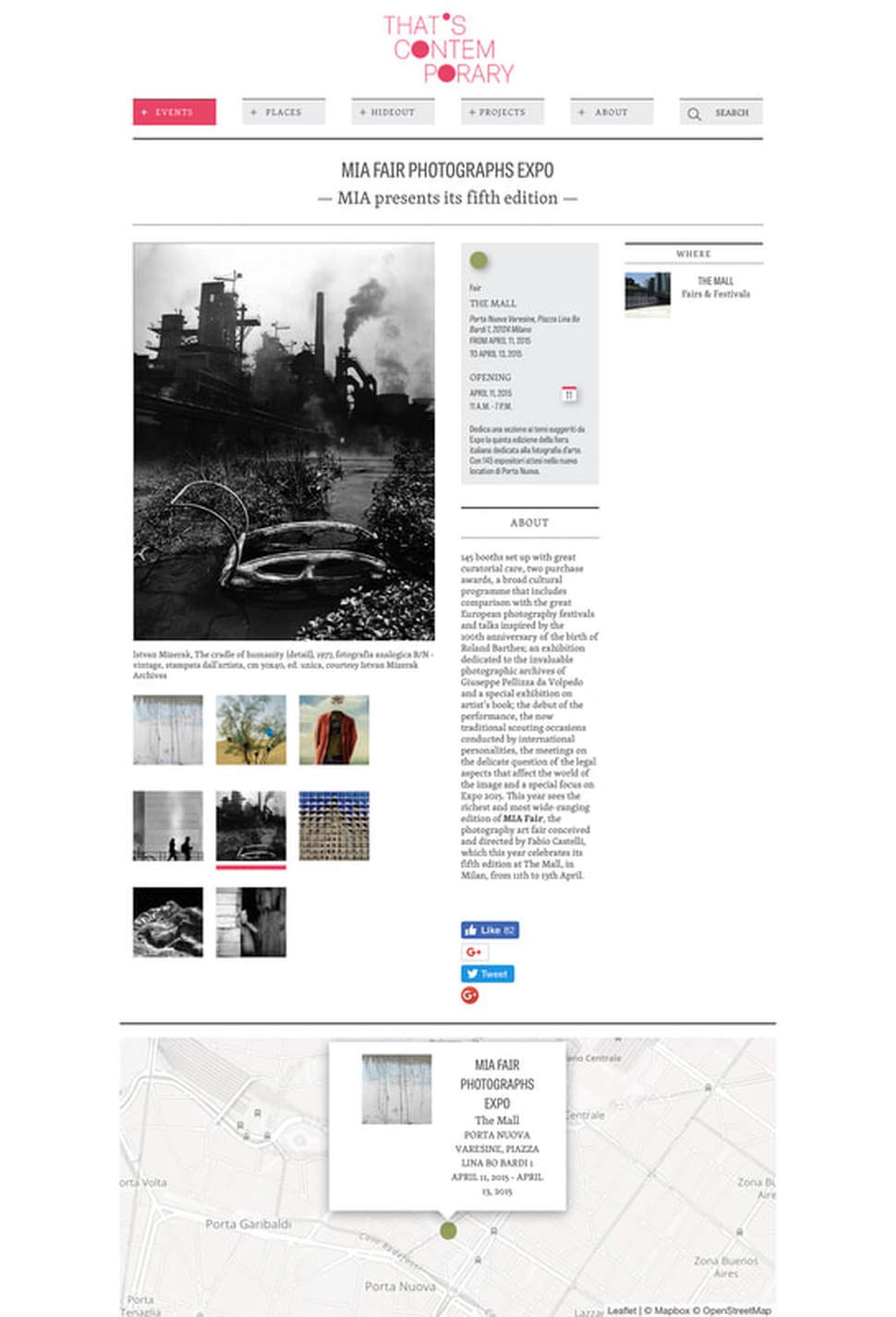
Parallel to his engagement with industrial and social themes, Mizerak maintained a lifelong commitment to the natural environment. An active hunter and member of the Hungarian Ornithological Society, he developed a body of work that reflects sustained observation of landscapes and wildlife. His photographs of Aggtelek National Park—later designated a UNESCO World Heritage site—played a significant role in promoting the region and contributed to emerging discourses on environmental conservation in Hungary. His environmentally focused projects, particularly the award-winning Cradle of Humanity, addressed issues of ecological degradation and industrial pollution, situating his work within broader late twentieth-century concerns regarding the relationship between human activity and the natural world.
Mizerak’s photographic legacy constitutes a historically and aesthetically significant corpus that documents the textures of everyday life, labor, and environment in rural and industrial Hungary under socialism. His images retain their documentary integrity while simultaneously exhibiting a formal and ethical coherence that resists ideological simplification.
His photographs function both as historical records and as carefully considered visual statements, offering a durable account of everyday life and labor behind the Iron Curtain.
Exhibitions
SOLO EXHIBITIONS
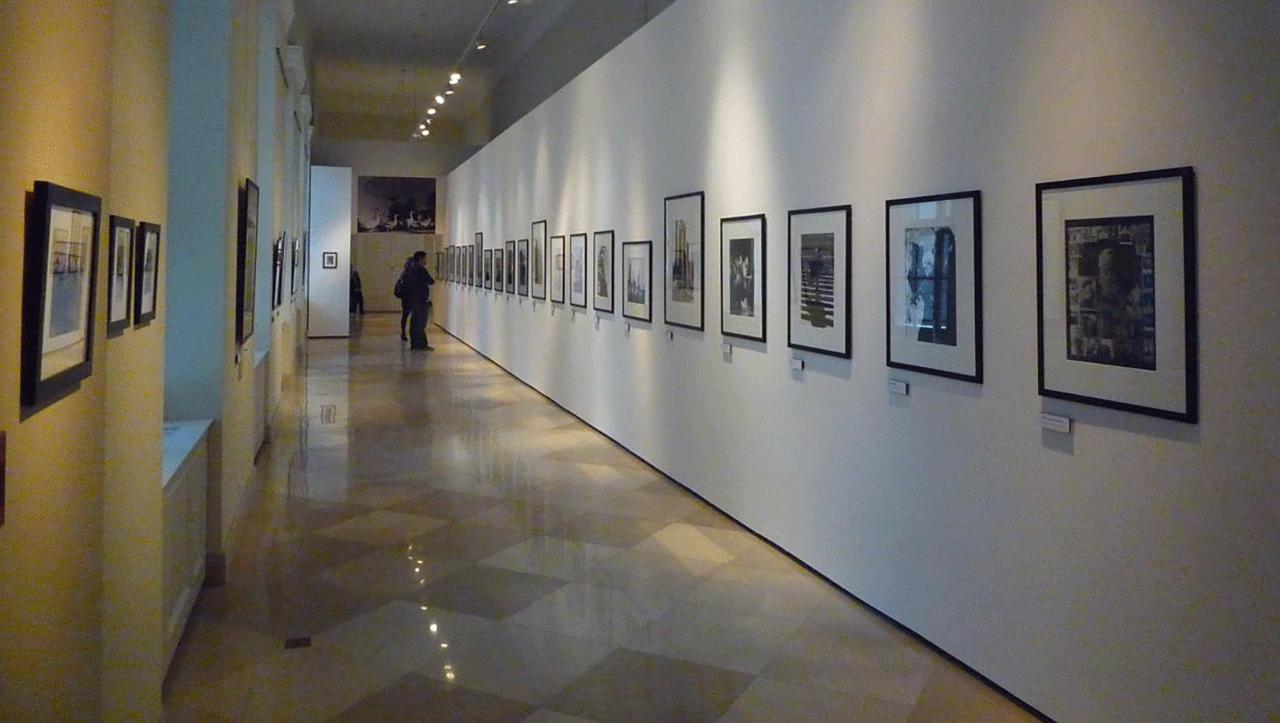
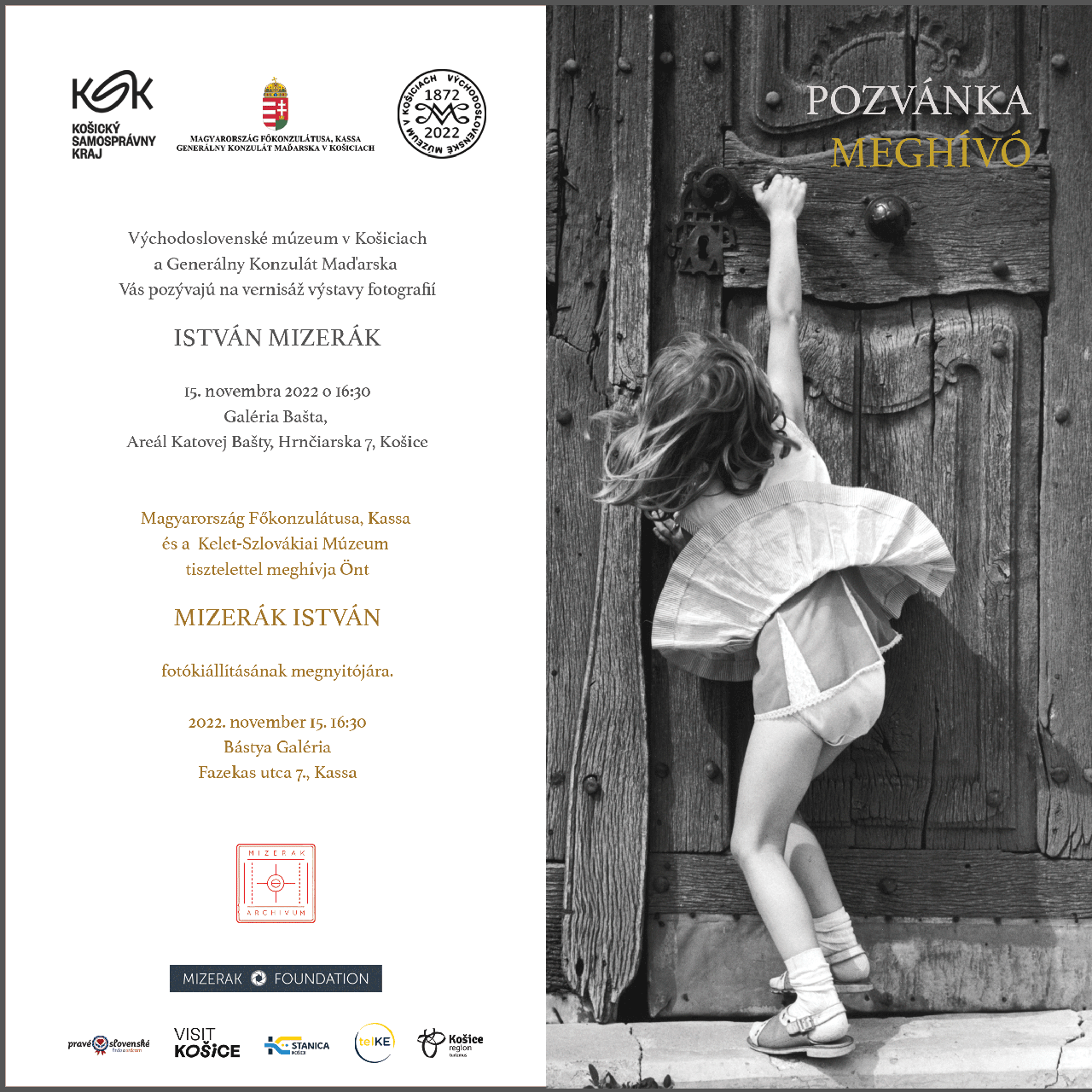
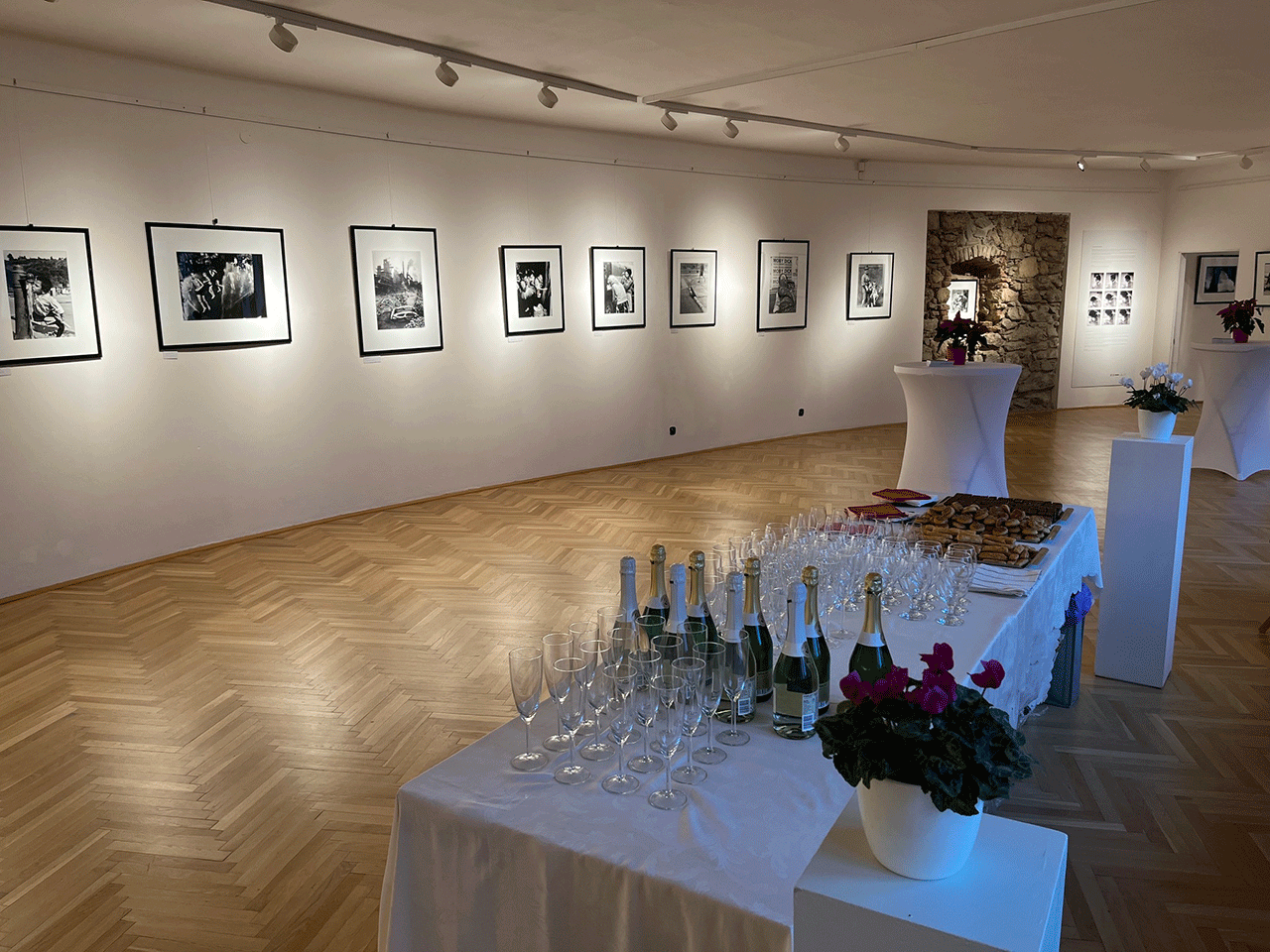
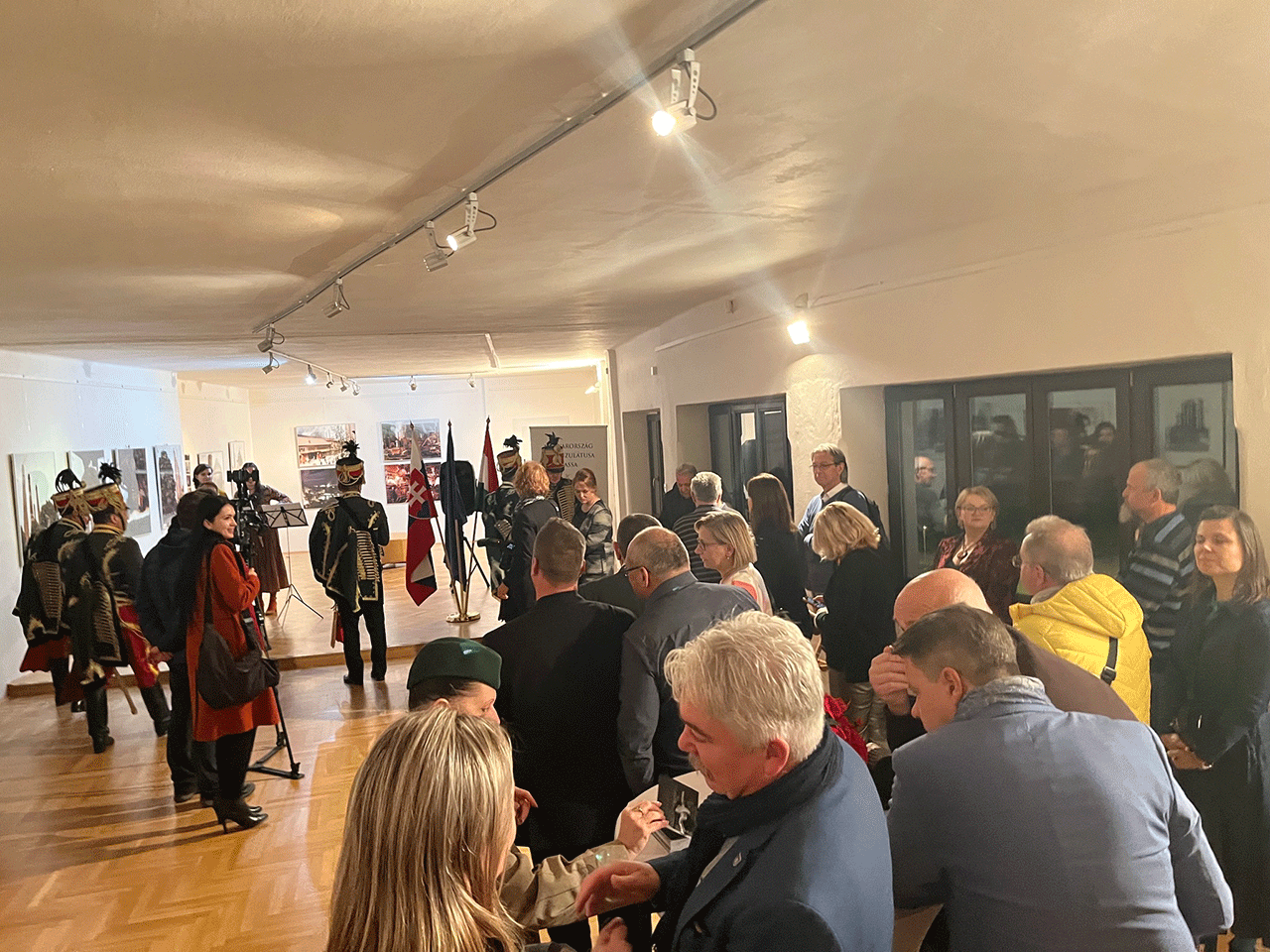
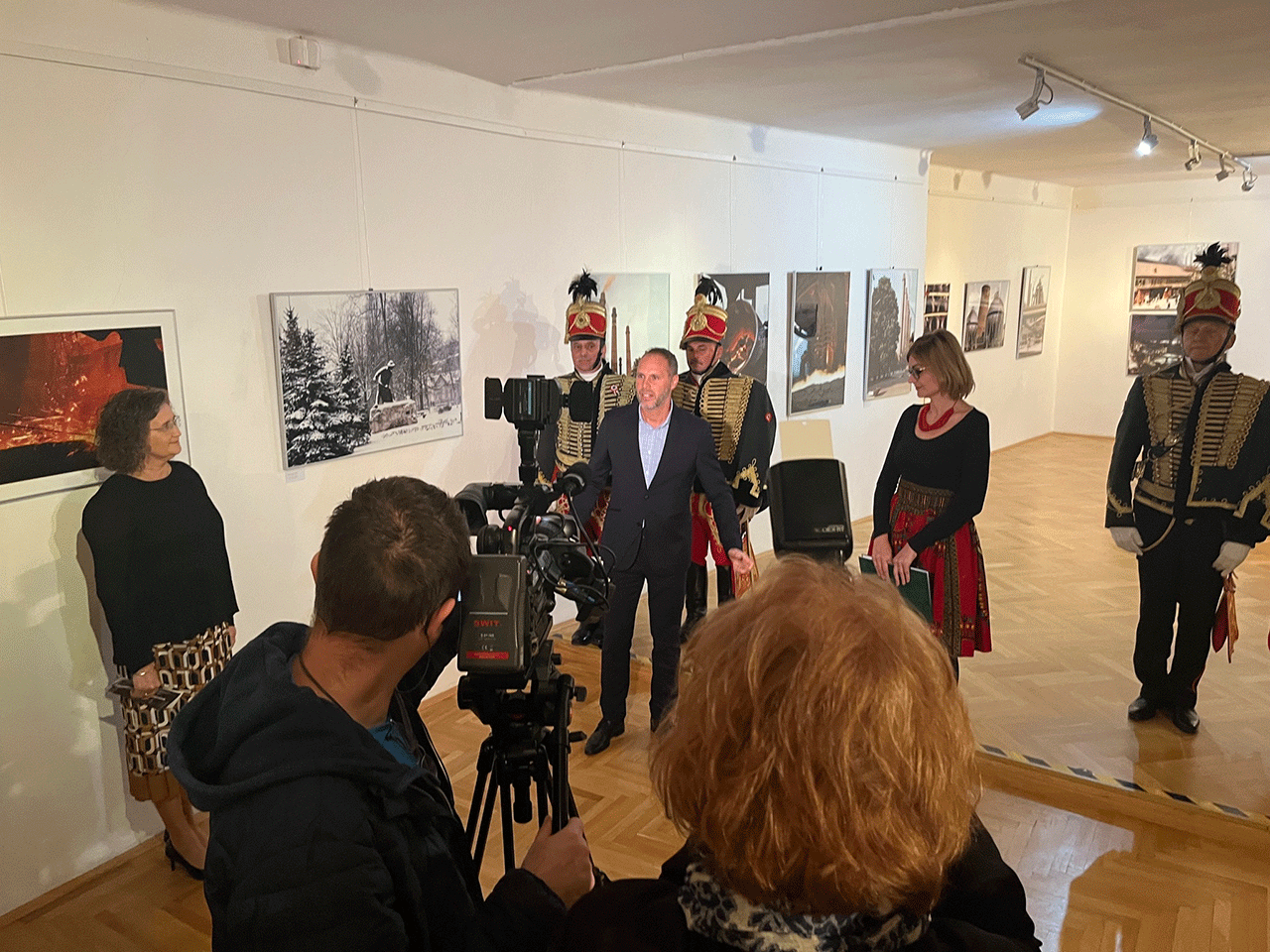
2022 - Východoslovenské múzeum, Košice, Slovakia
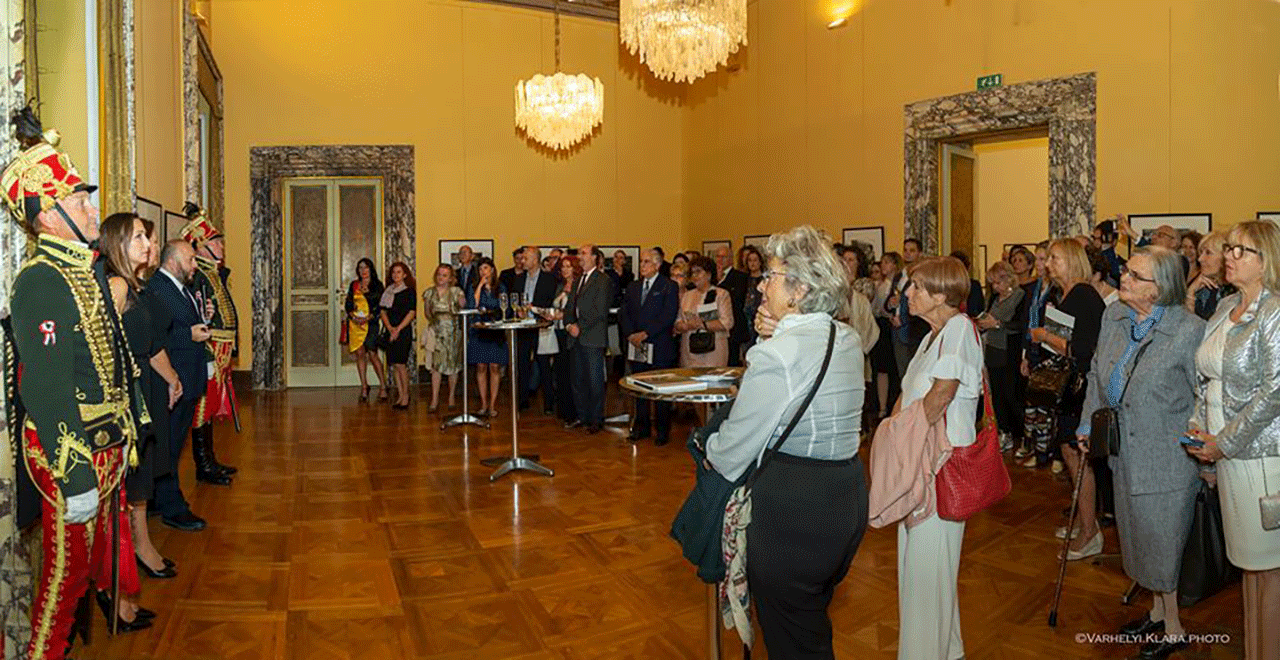
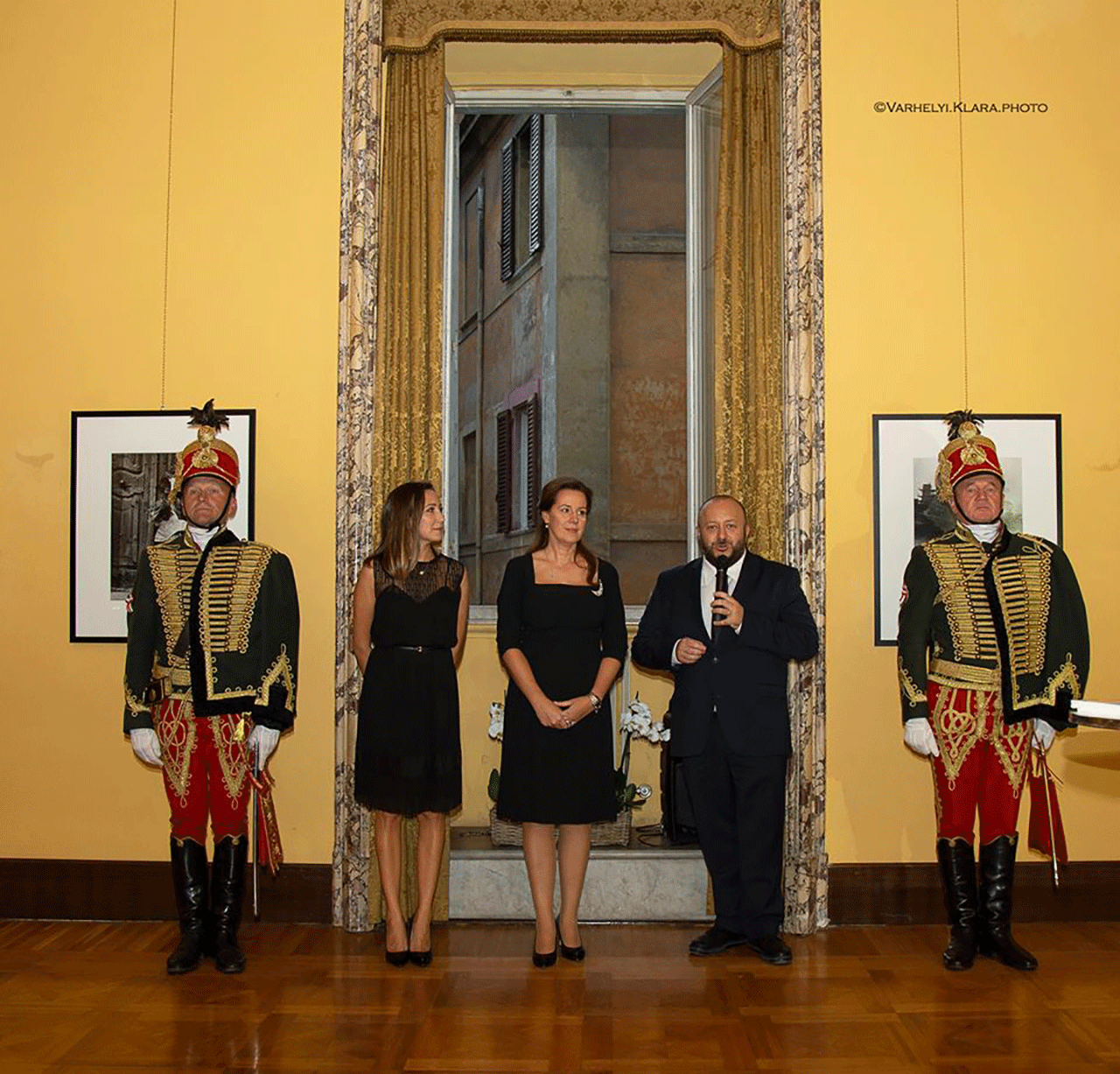
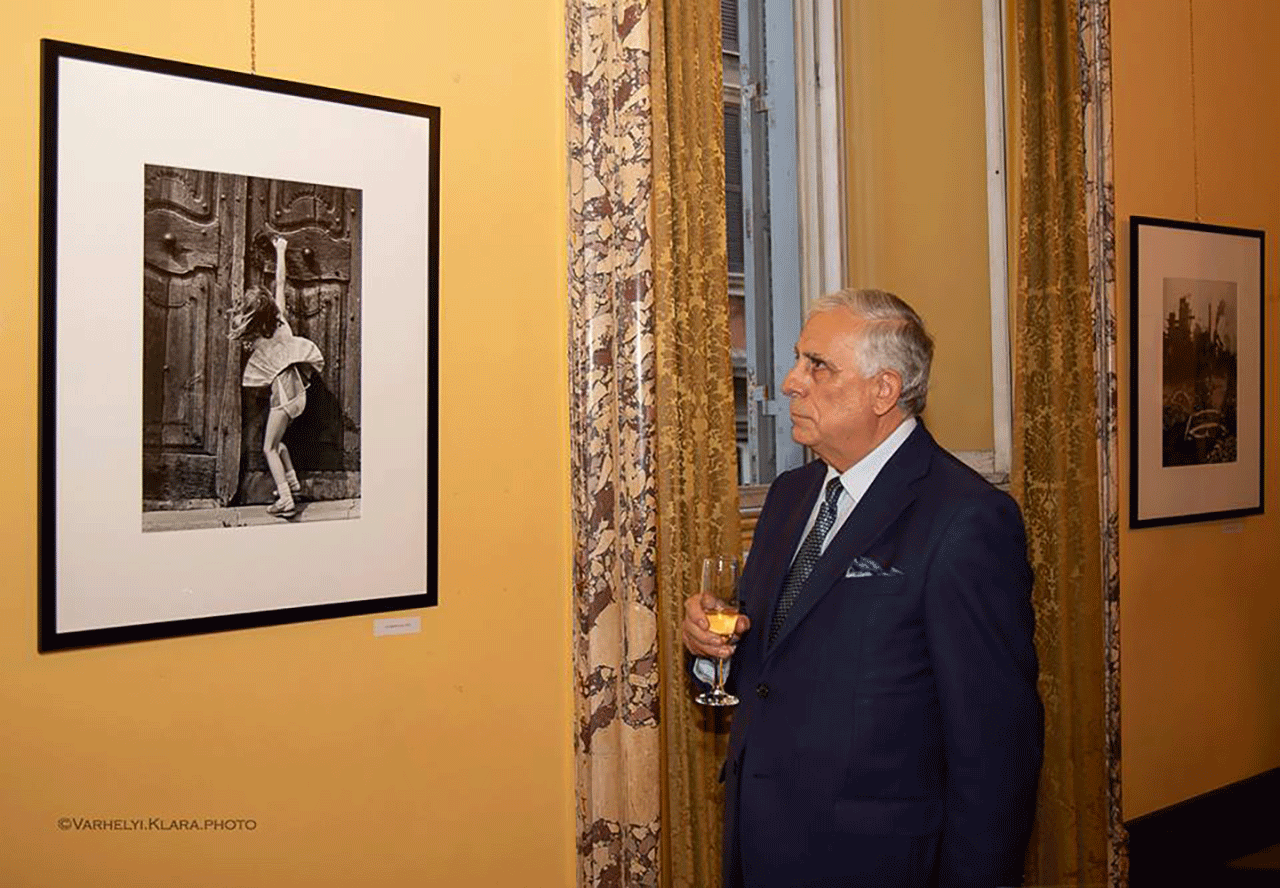
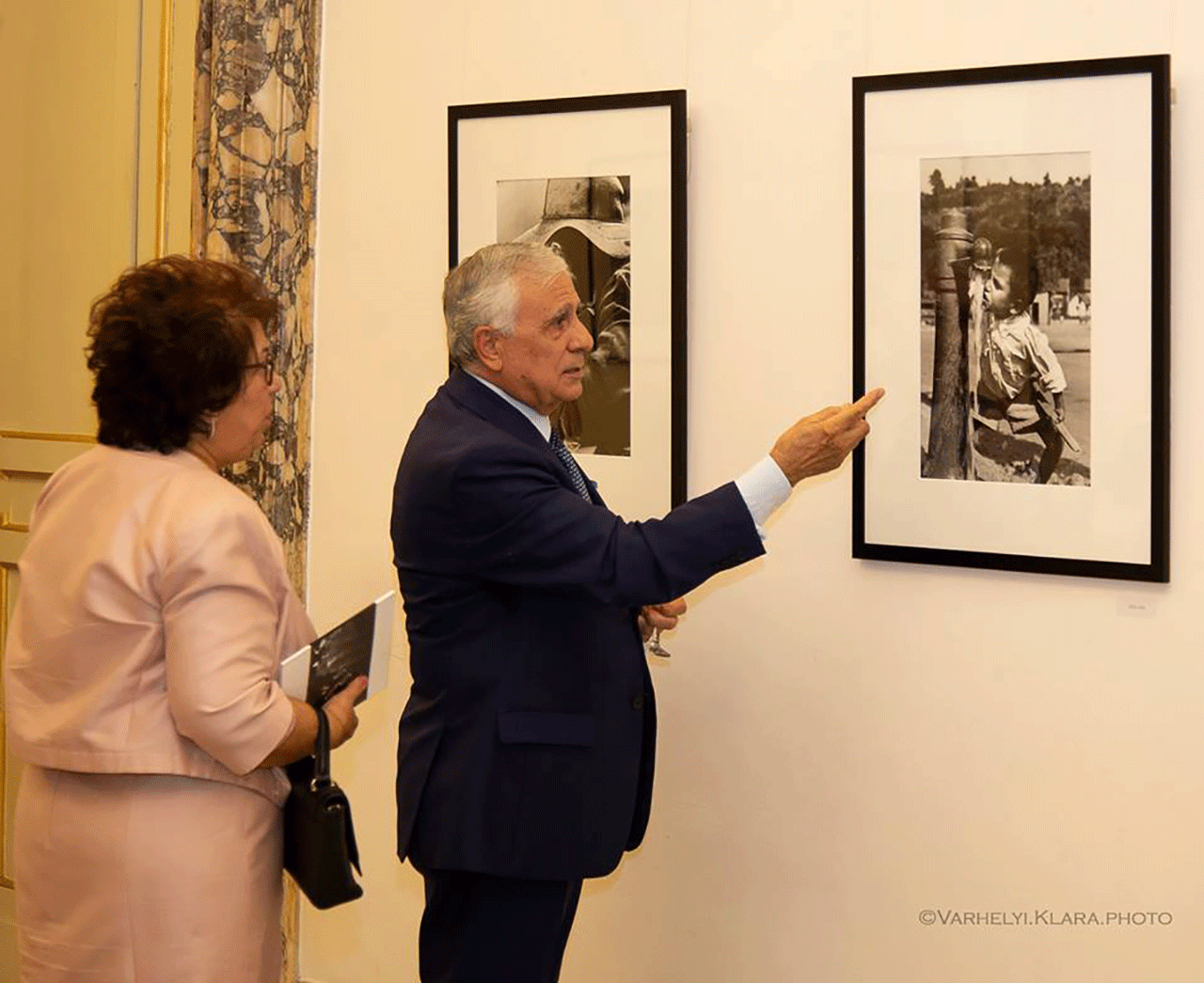
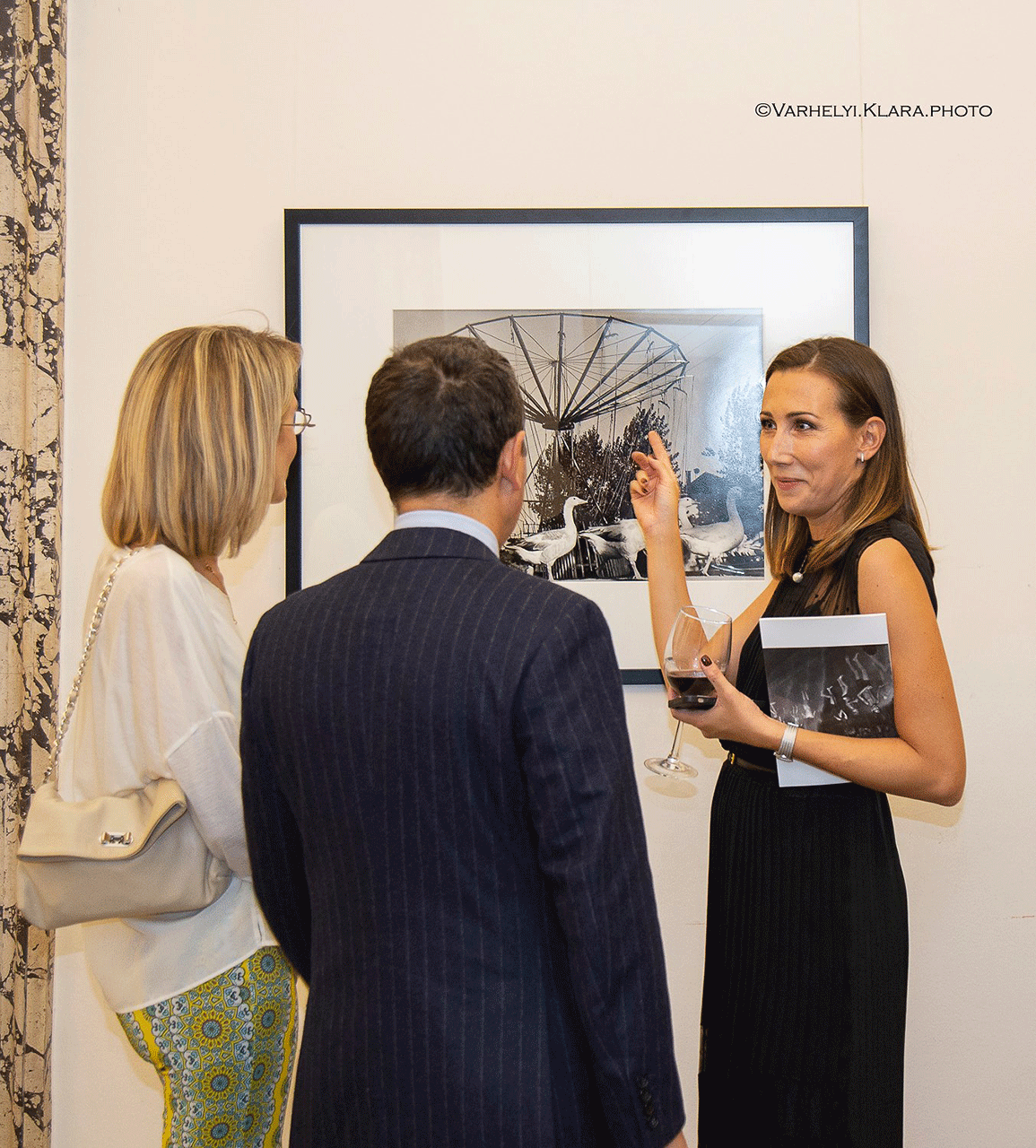
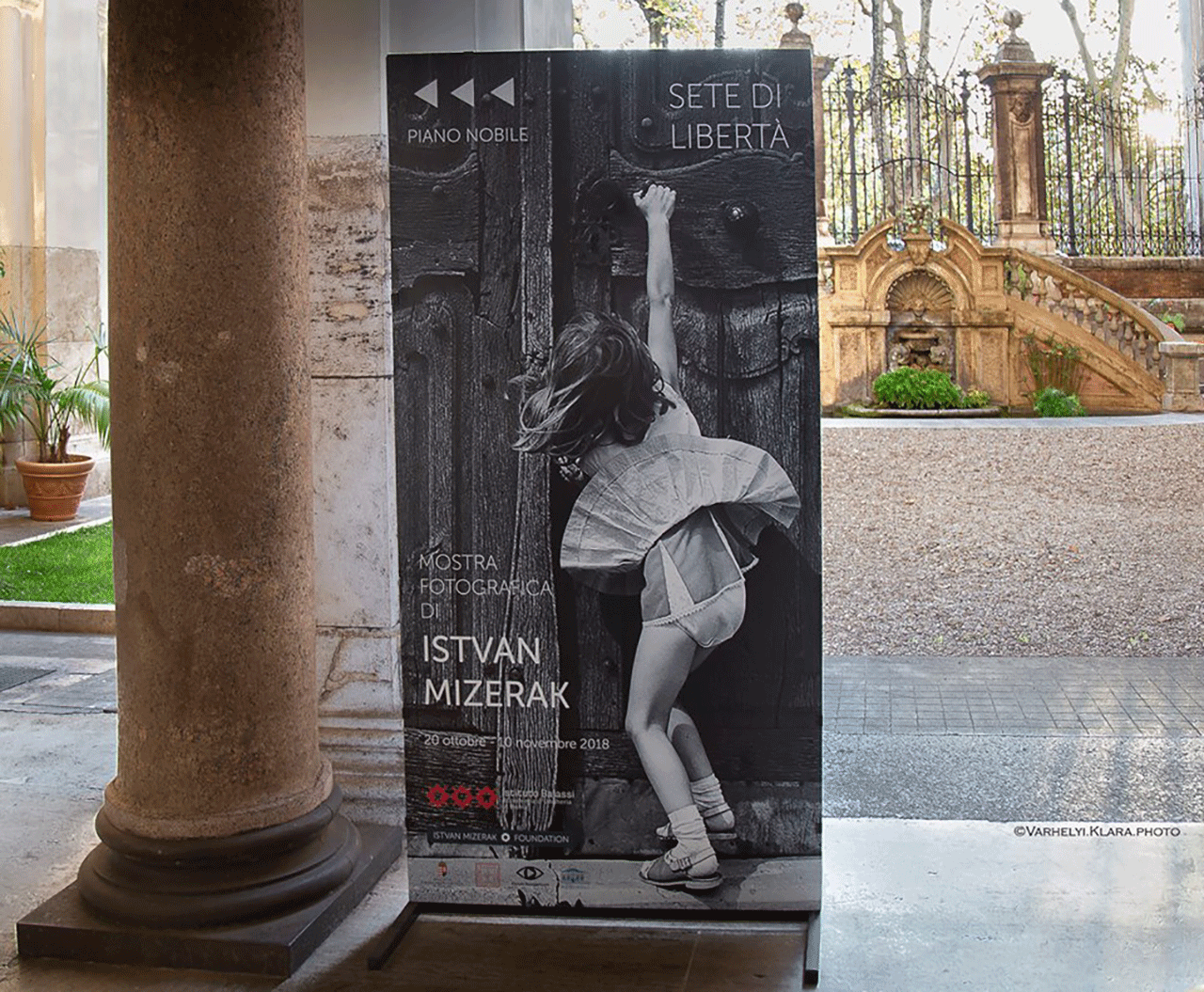
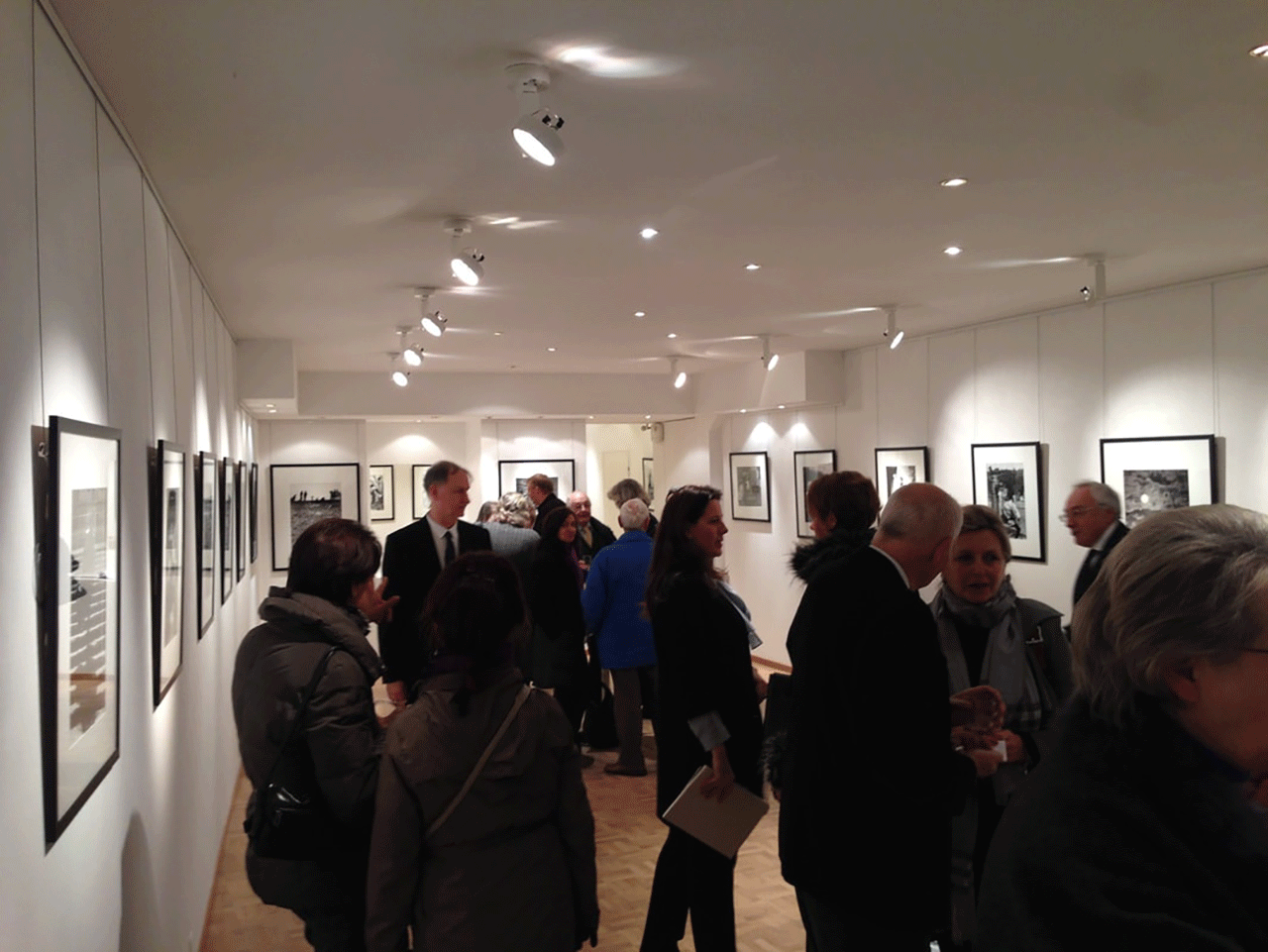
2018 - Accademia D'Ungheria a Roma, Rome, Italy
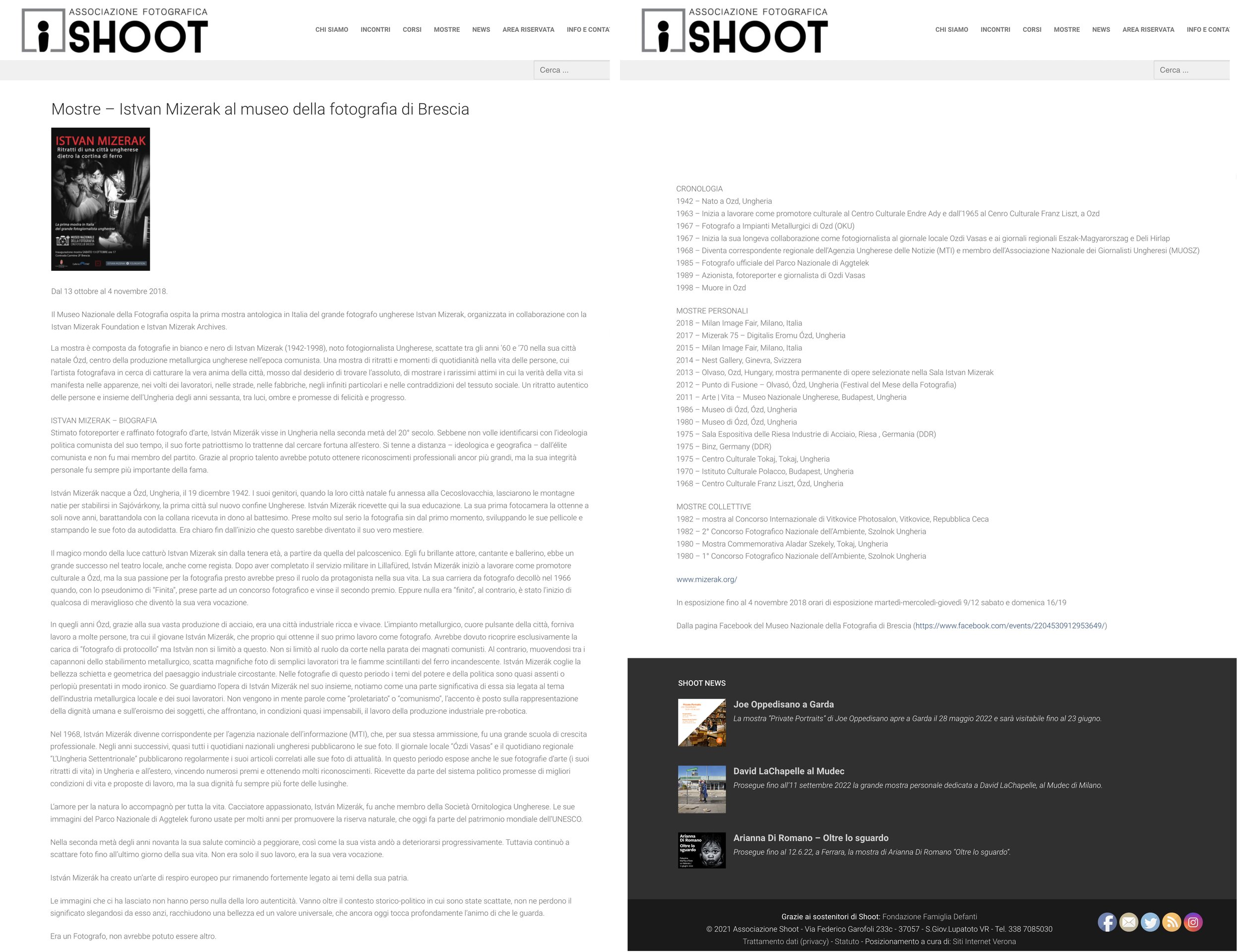
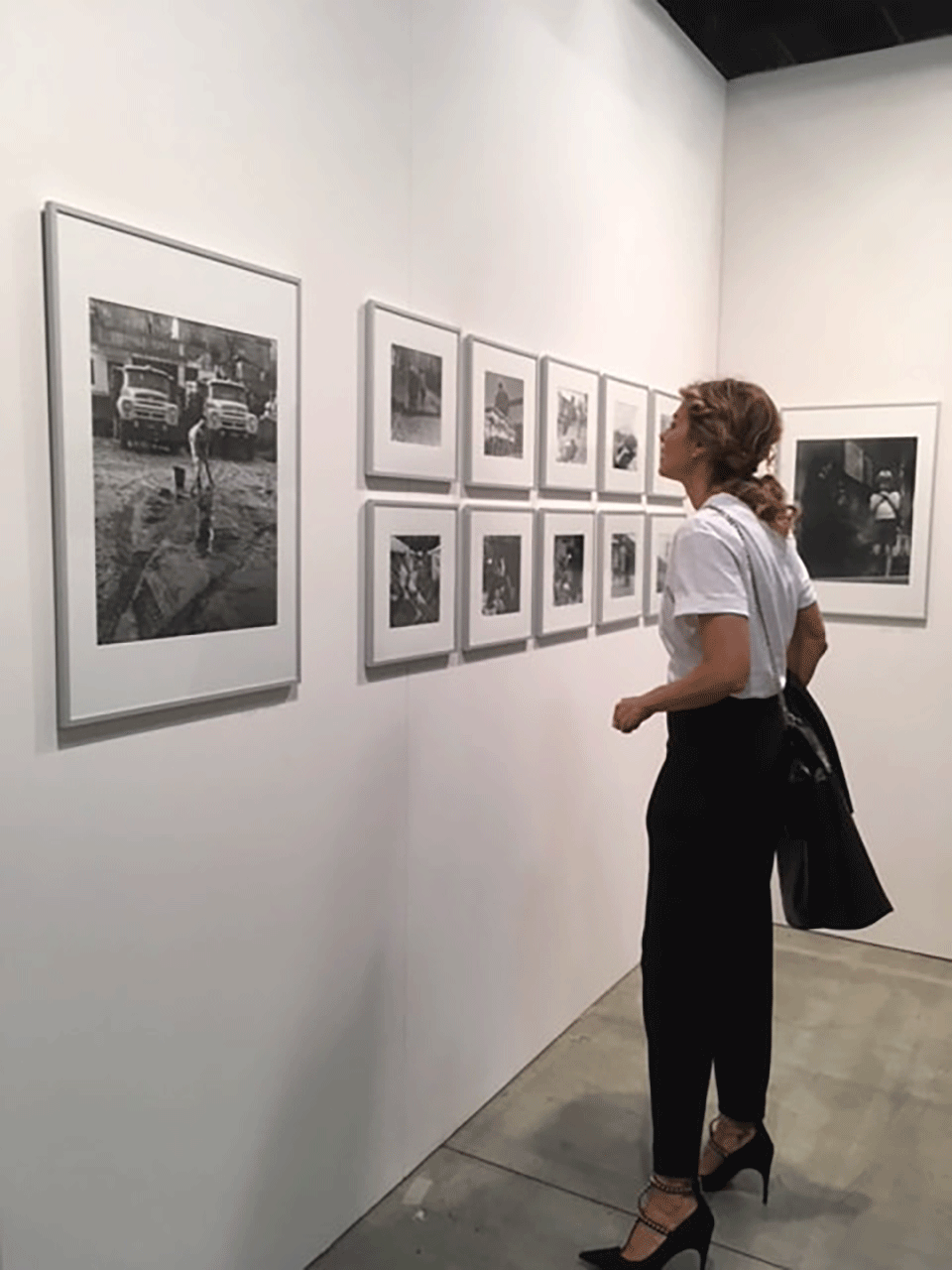
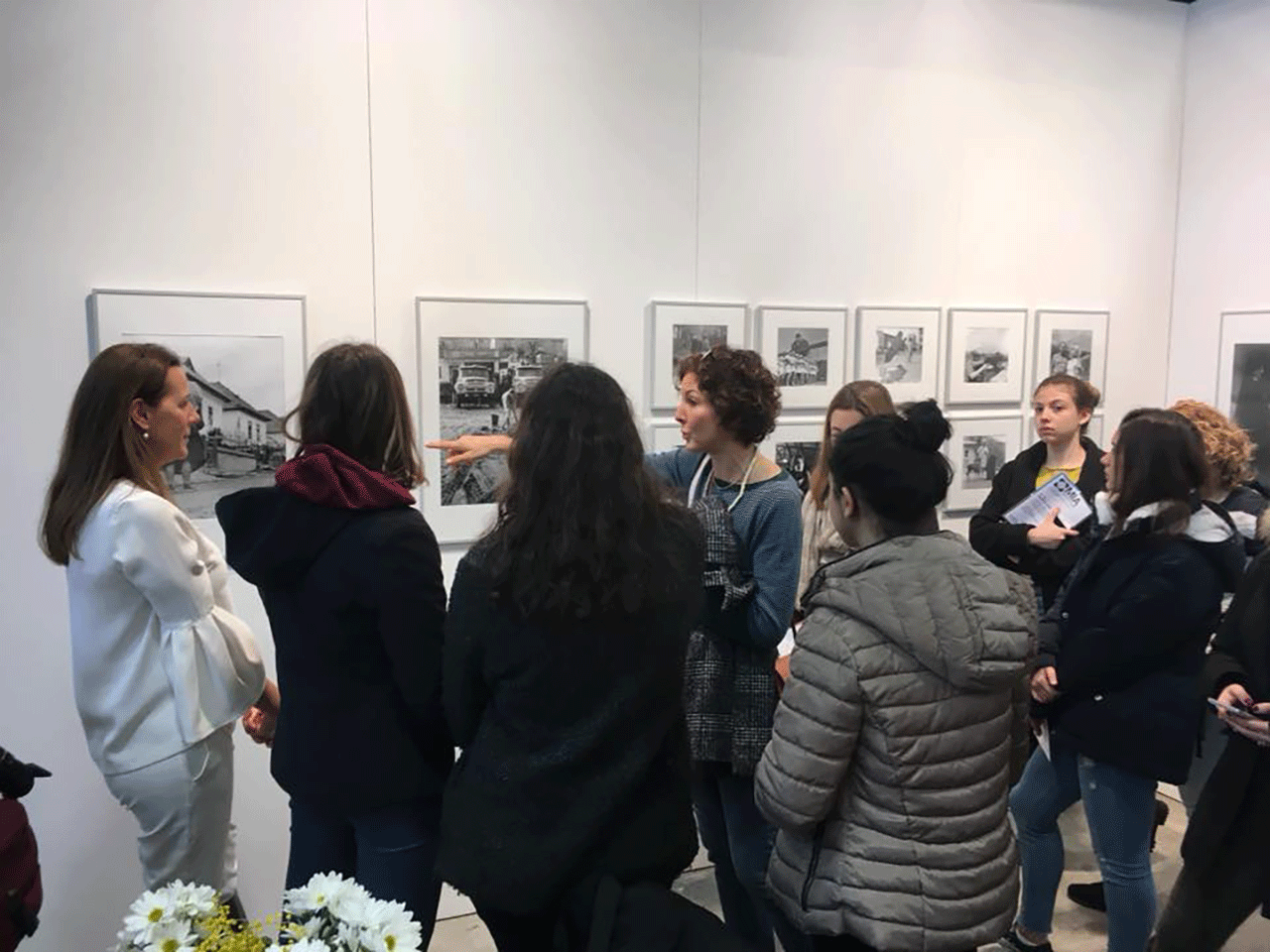
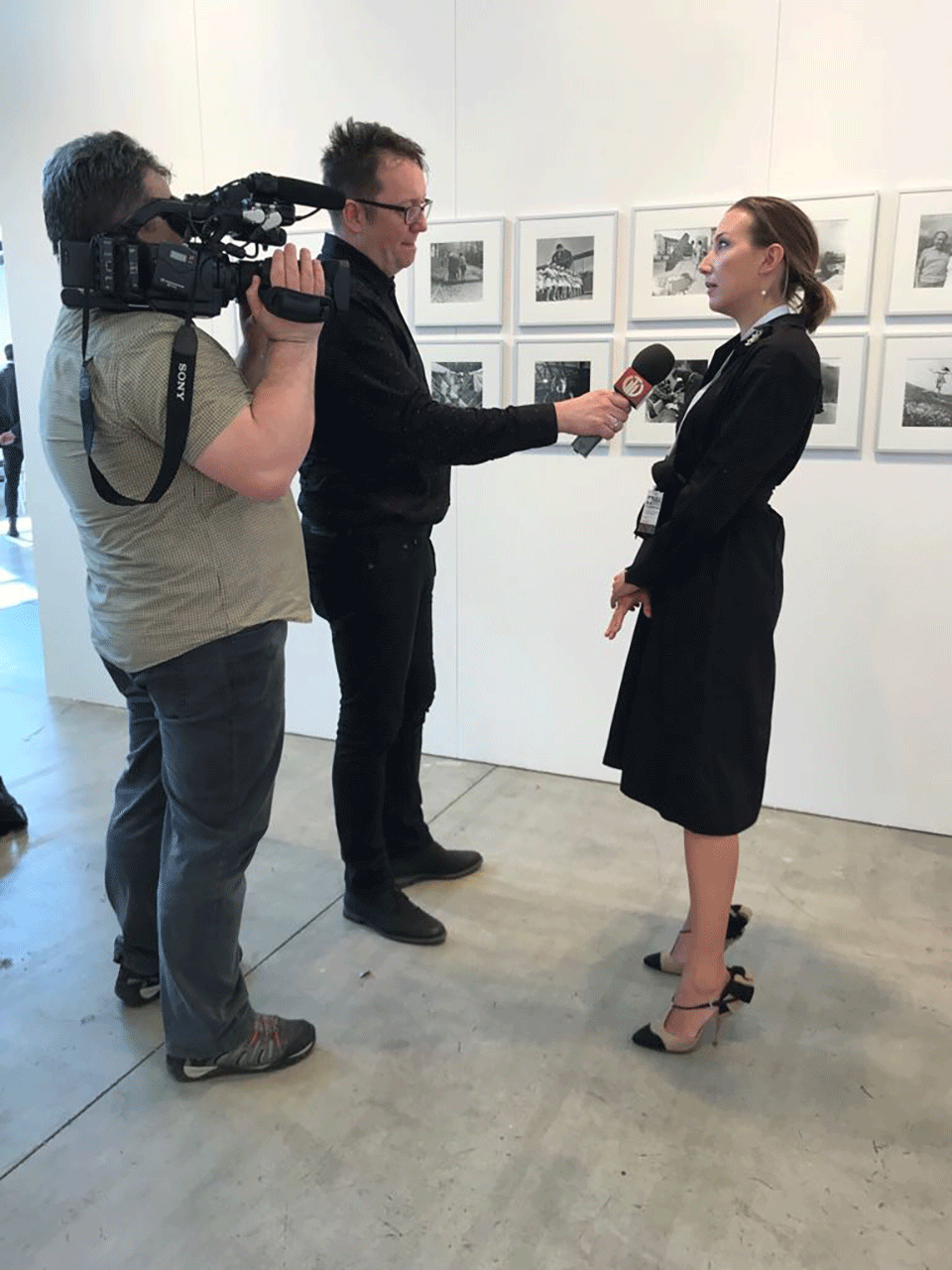
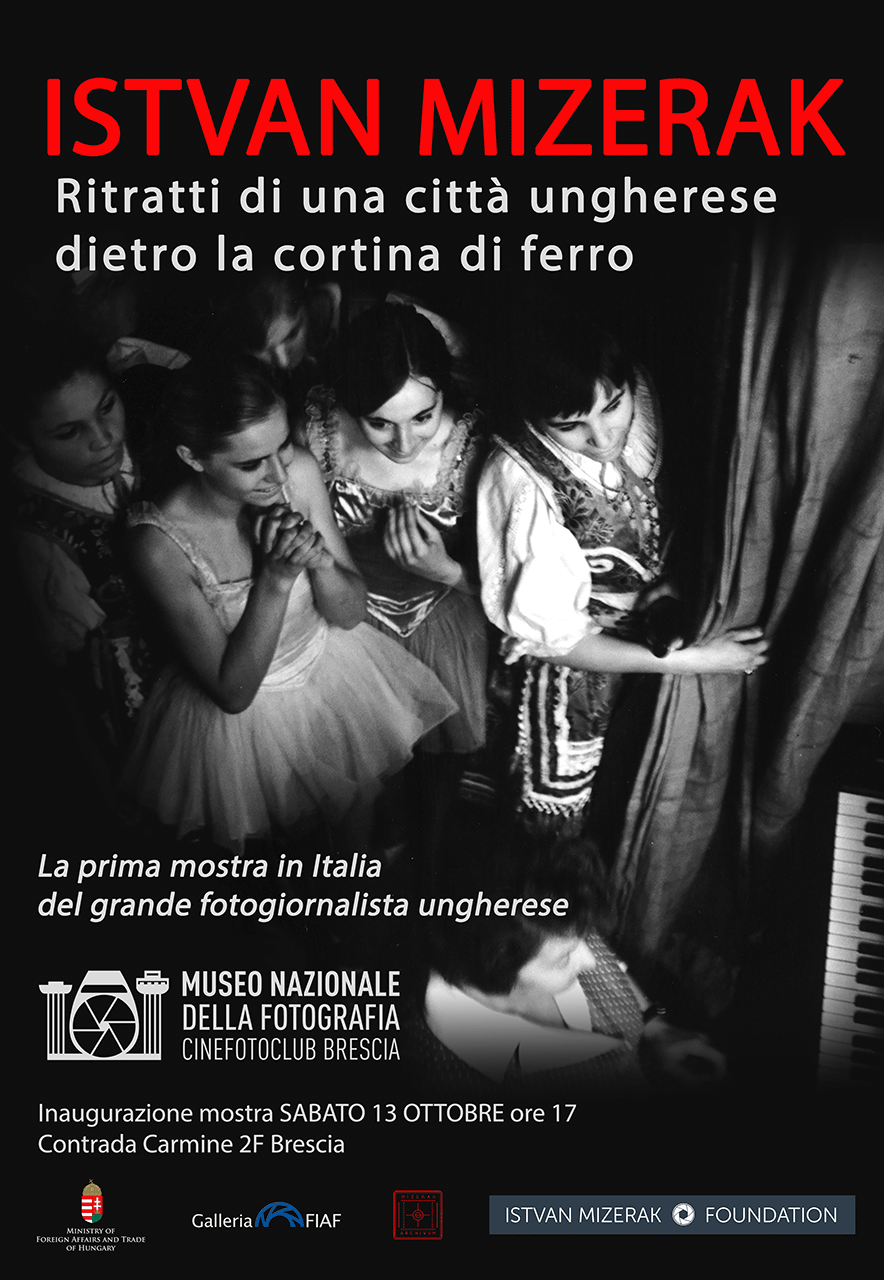
2018 - National Museum of Photography, Brescia, Italy
2018 - Art Market, Budapest, Hungary
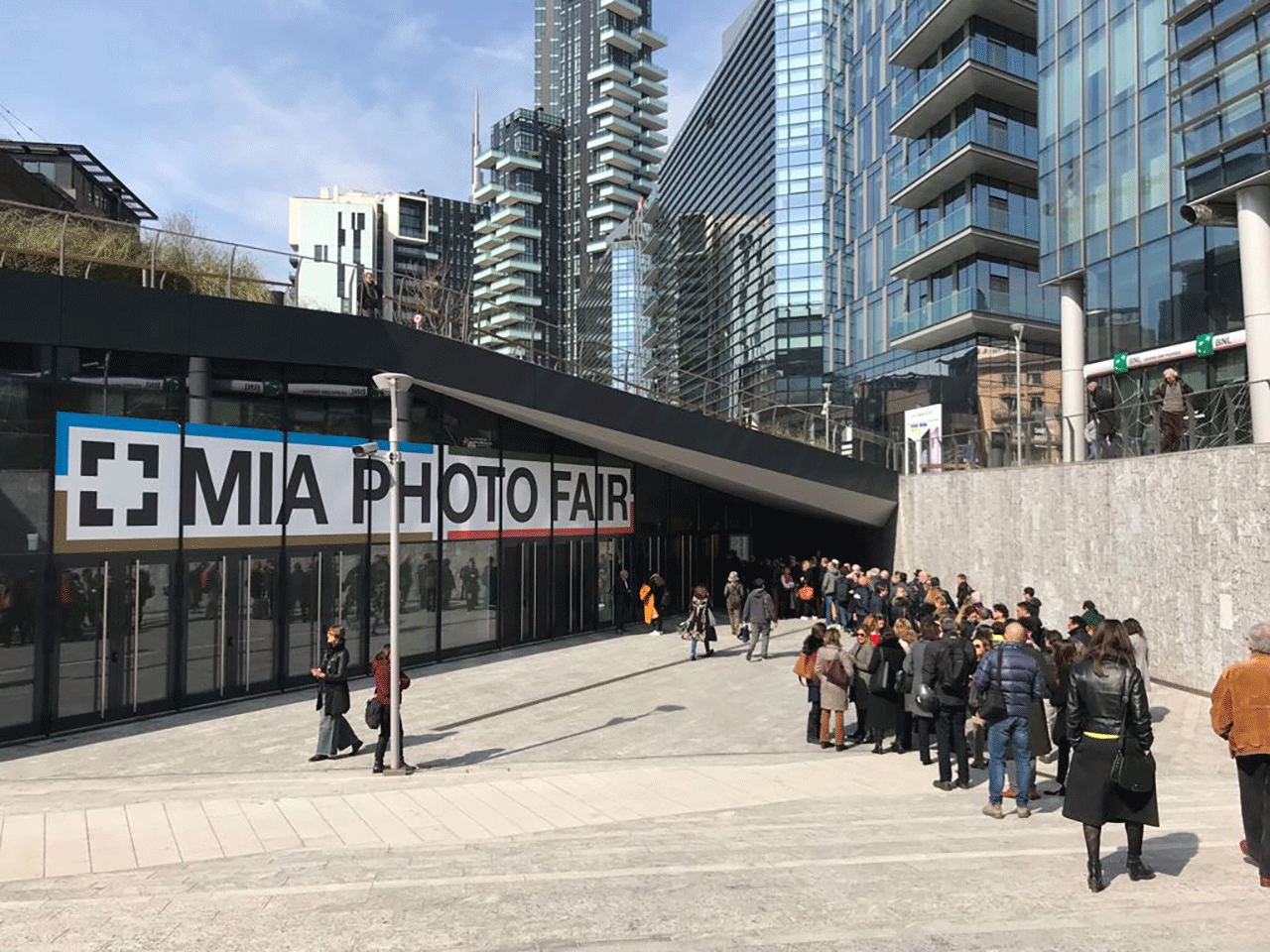
2018 - Milan Image Fair, Milan, Italy
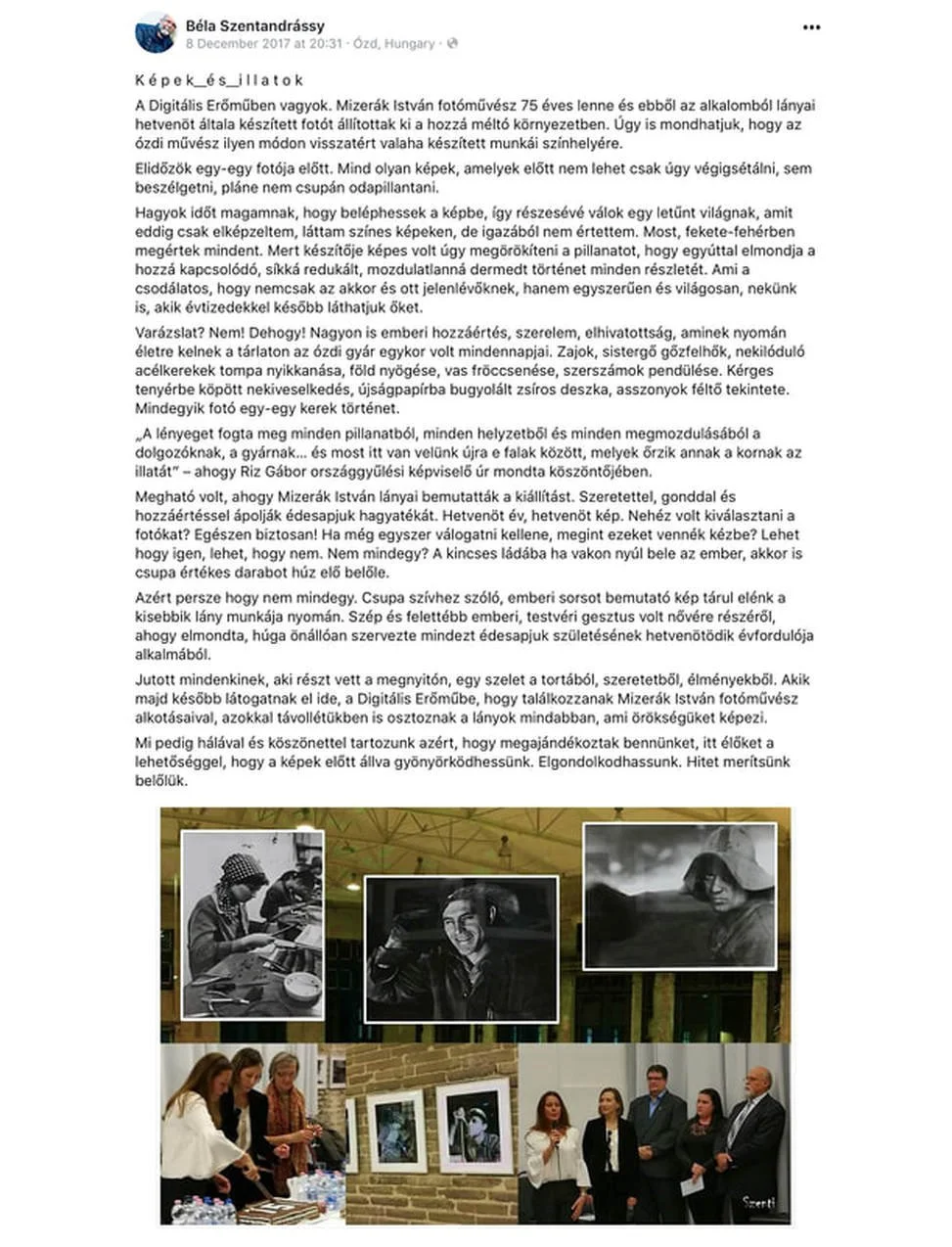
2017 - Digitális Erőmű, Ózd, Hungary
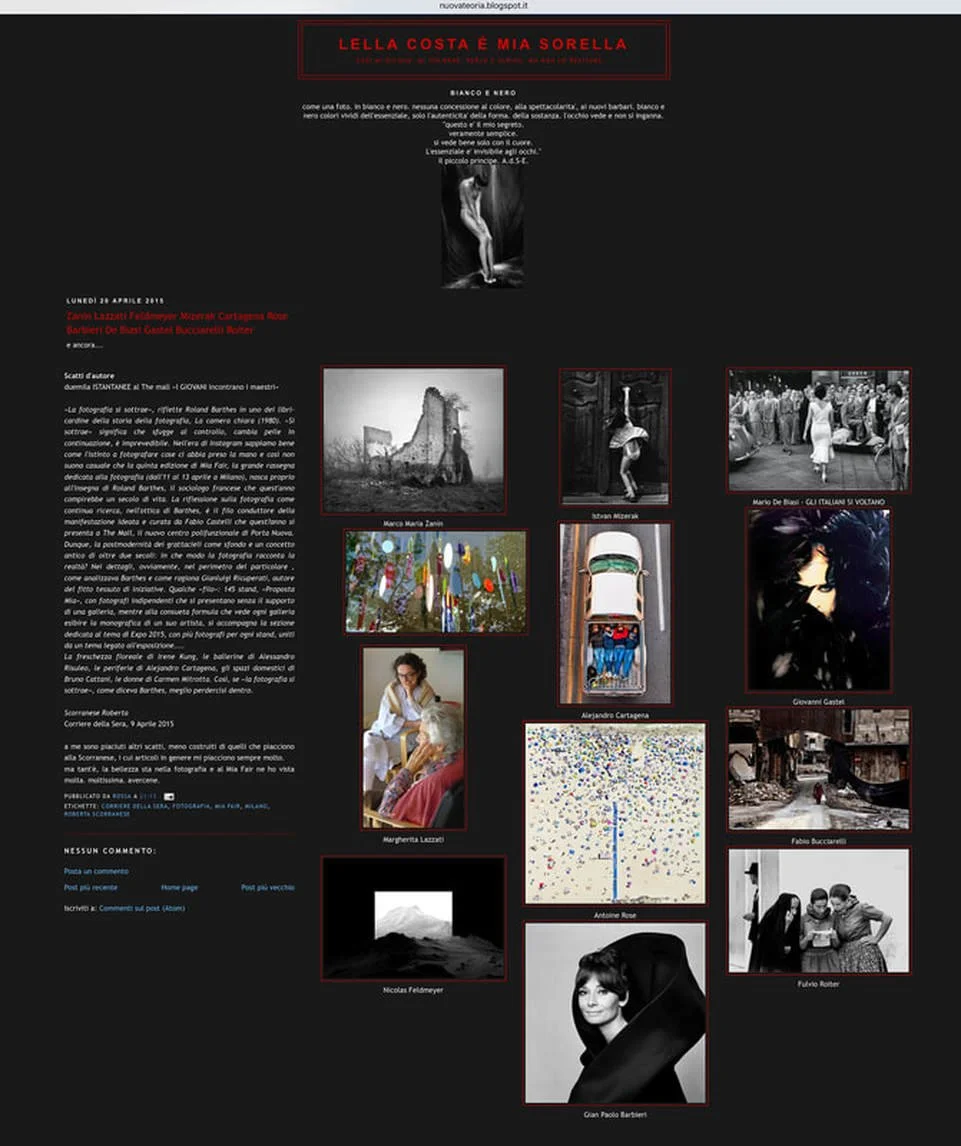
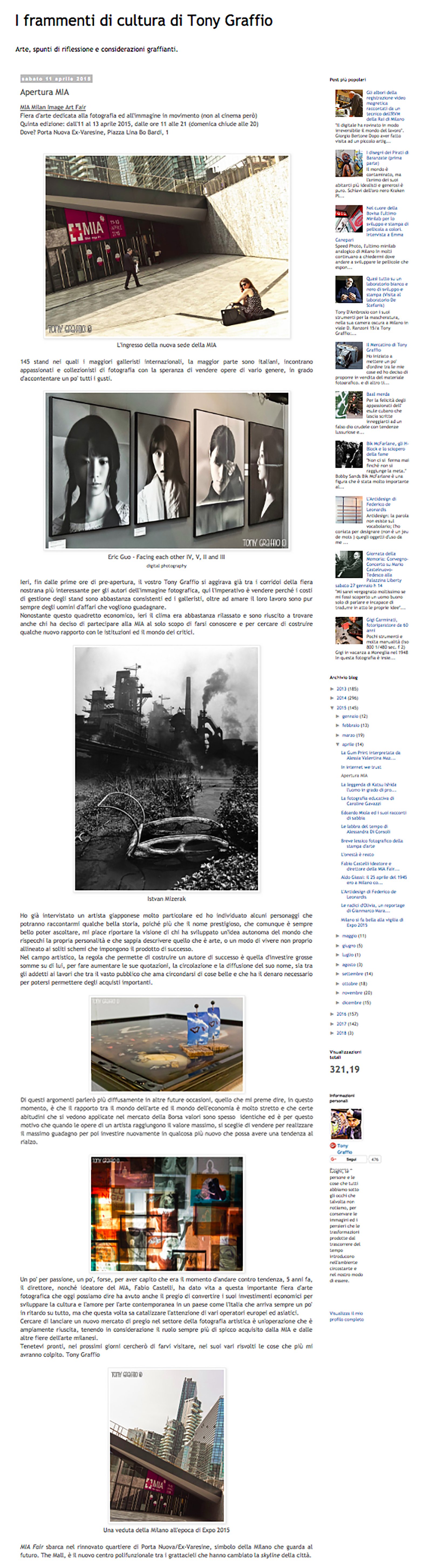
2015 - Milan Image Fair, Milan, Italy
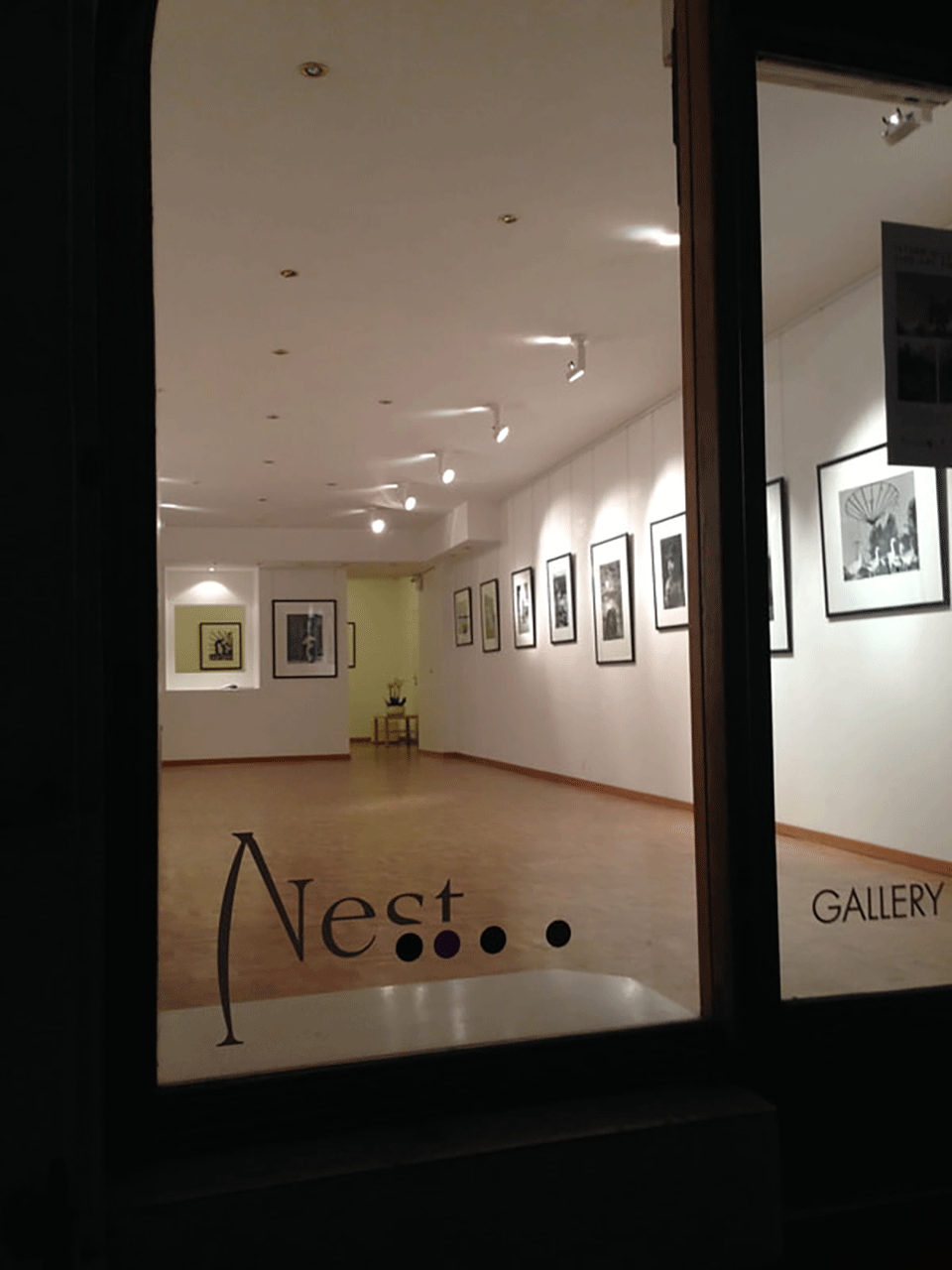
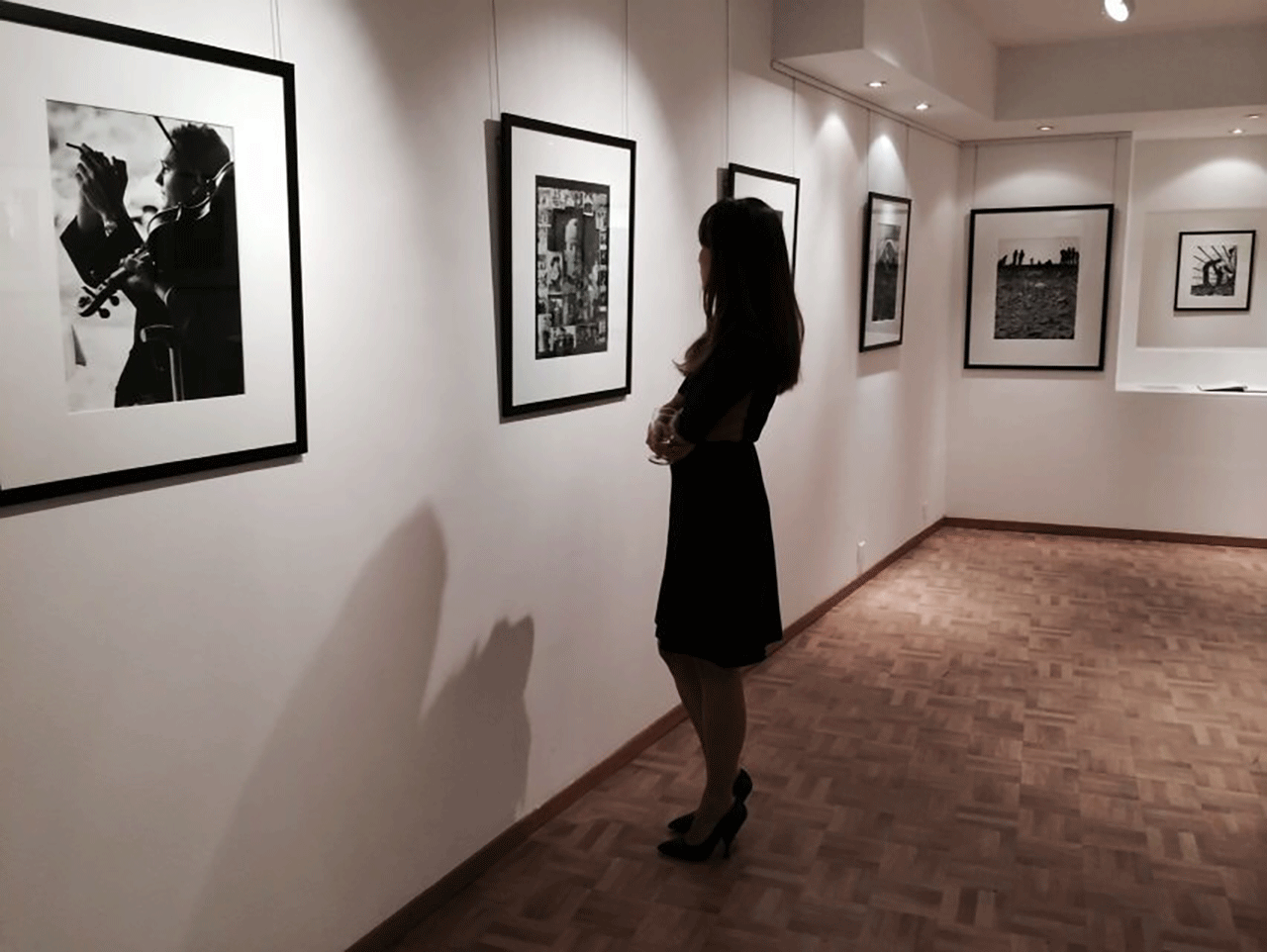
2014 - Nest Gallery, Geneva, Switzerland
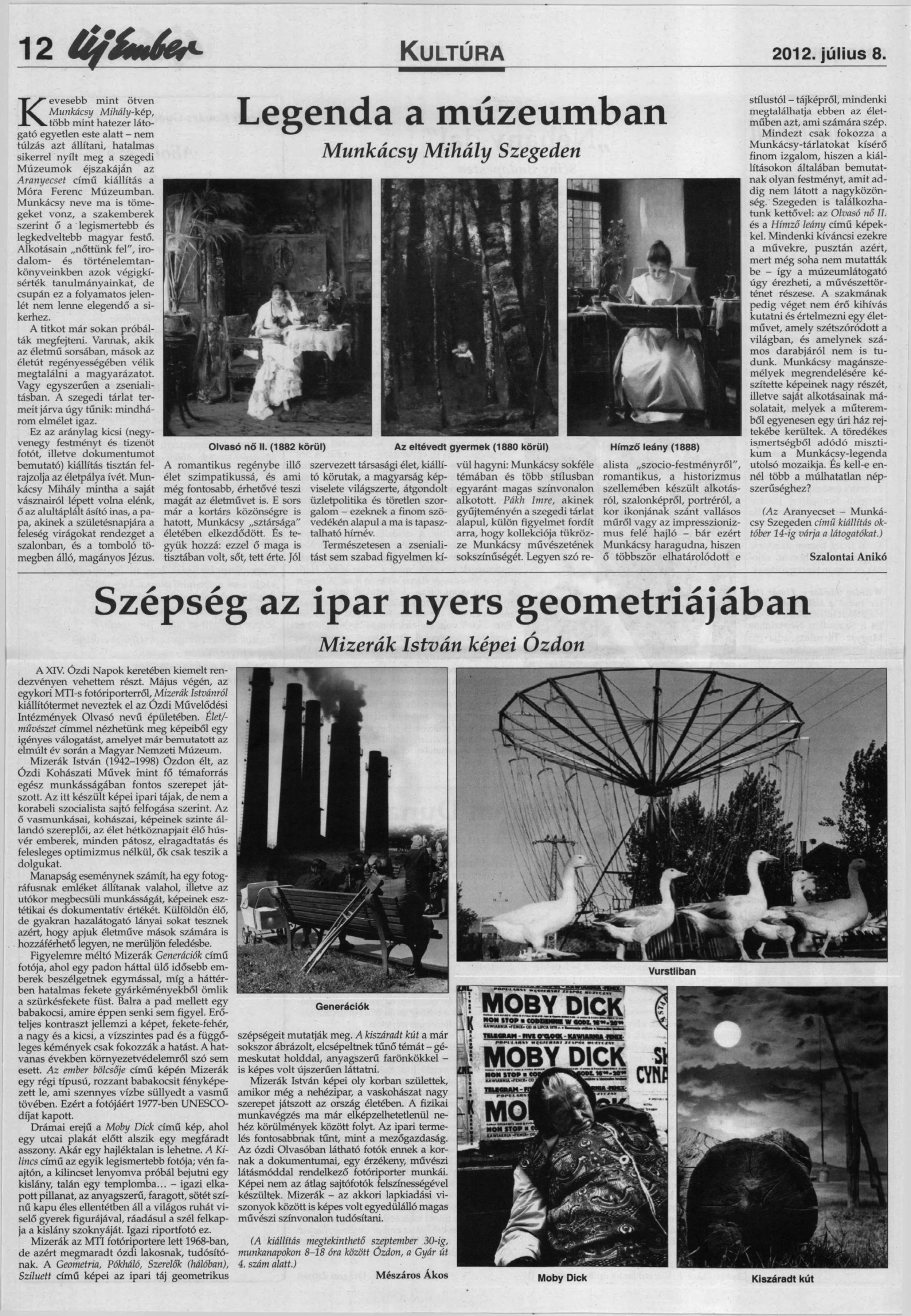
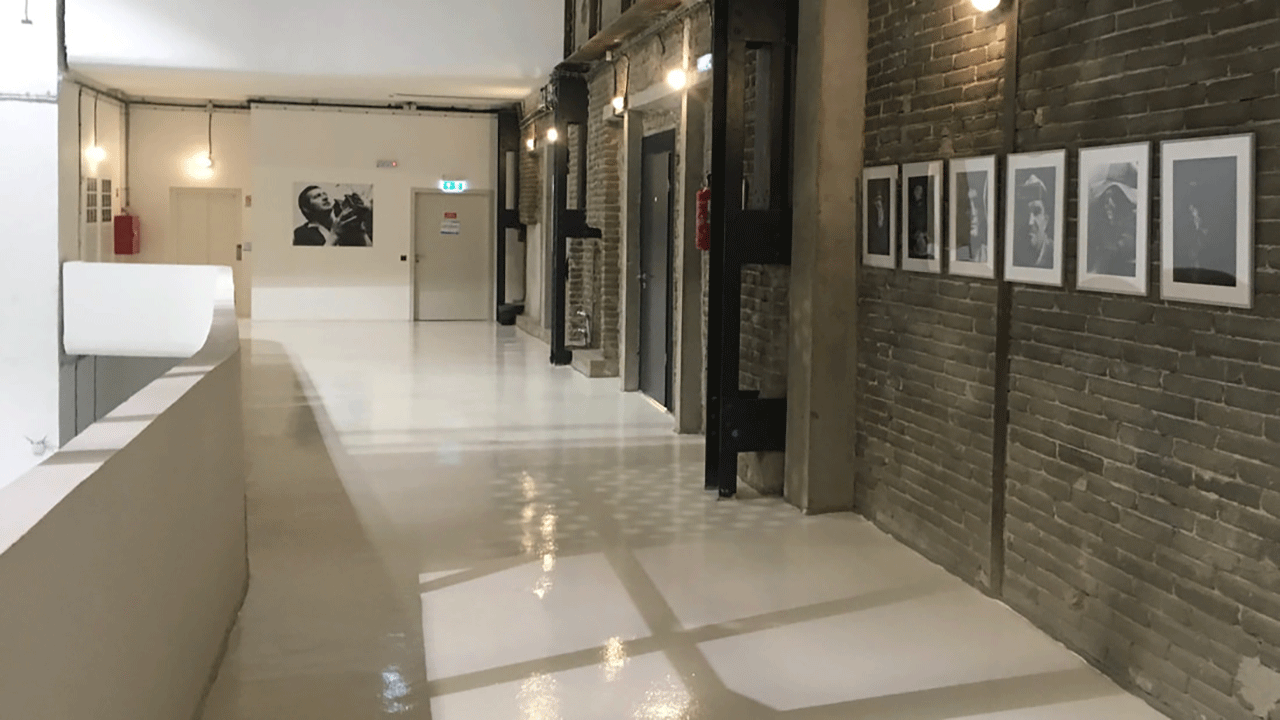
2013 - Olvasó, Ózd, Hungary, Istvan Mizerak Hall with permanent exhibition of selected works
2012 - Olvasó, Ózd, Hungary (Hungarian Month of Photography Festival)
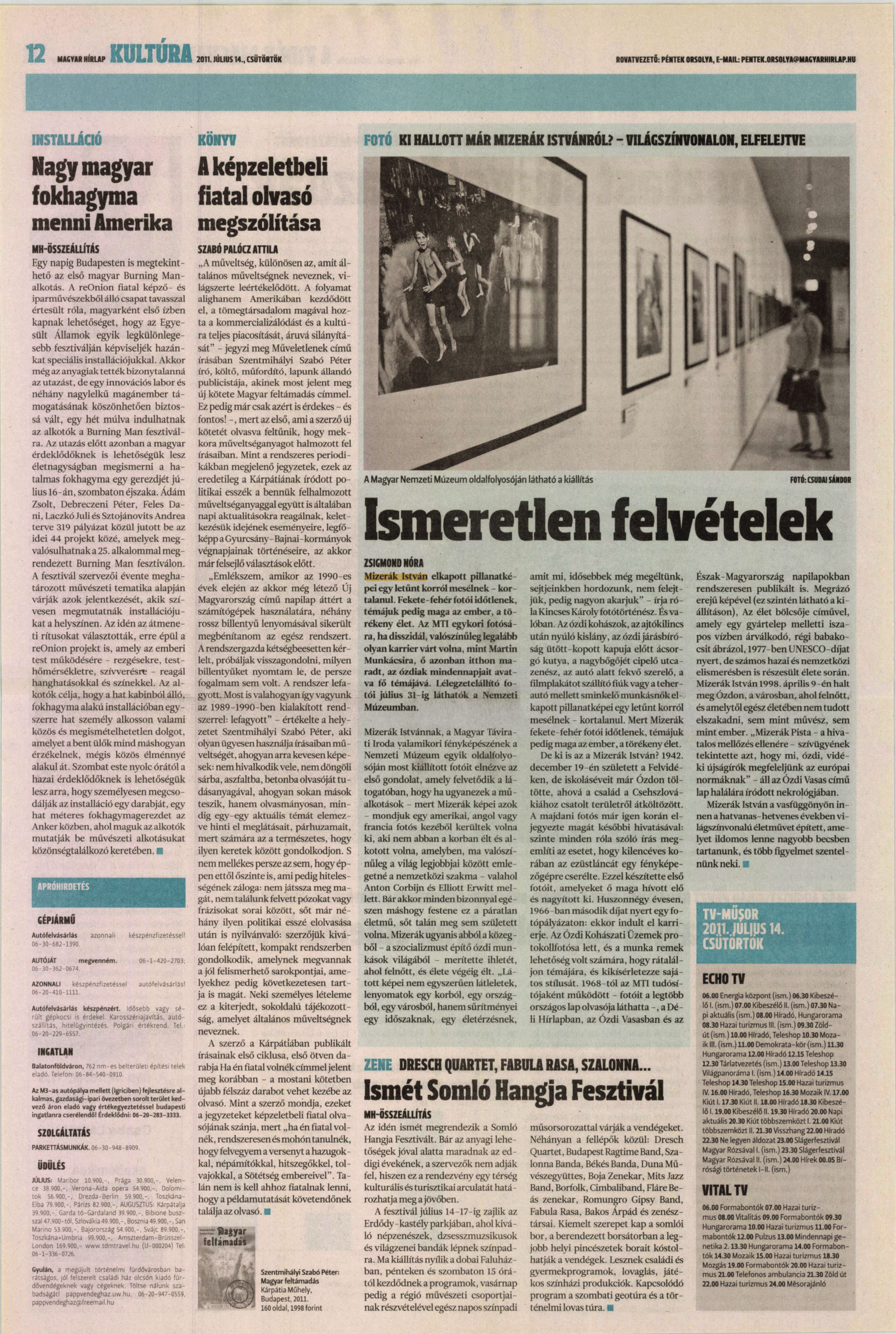
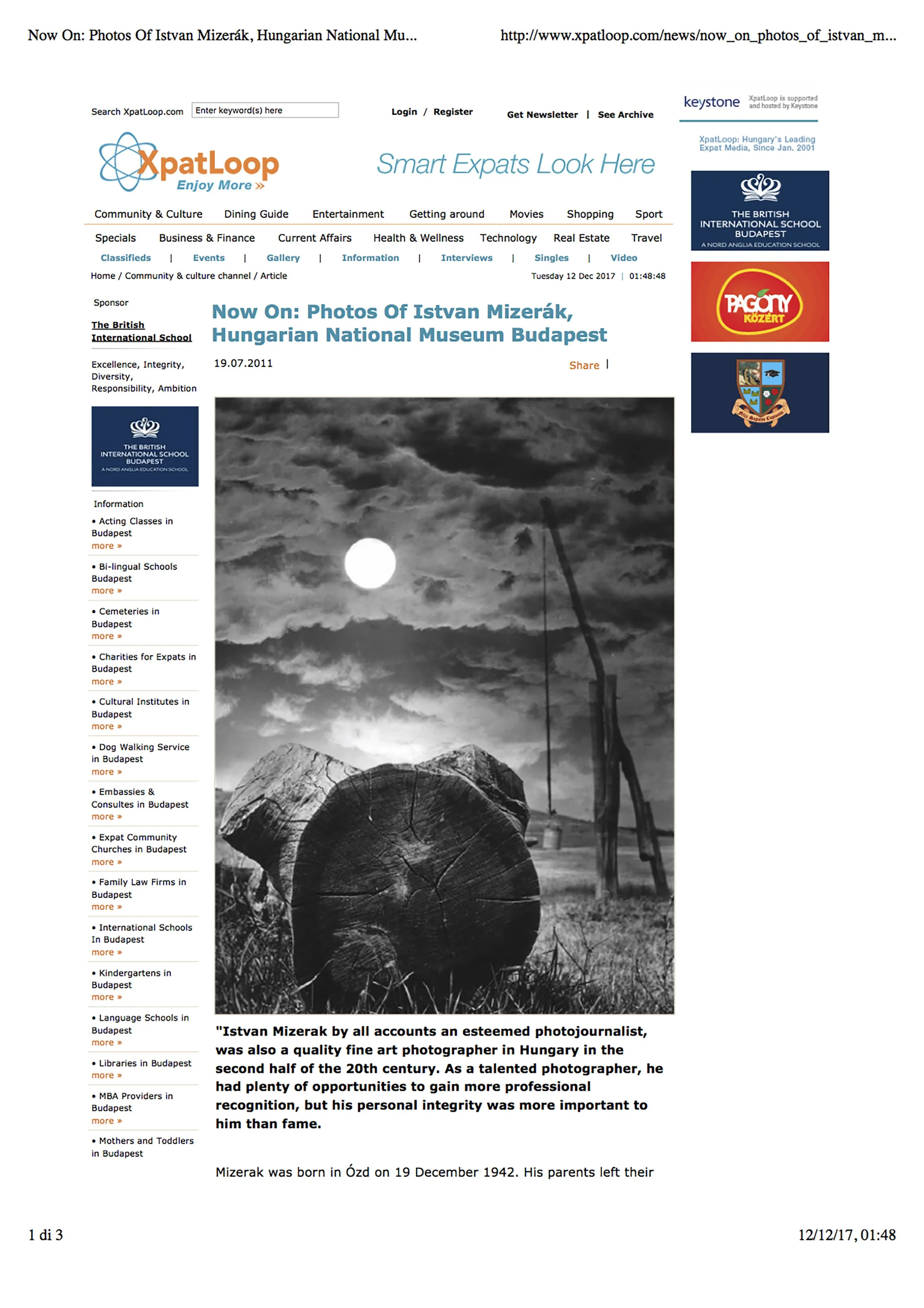
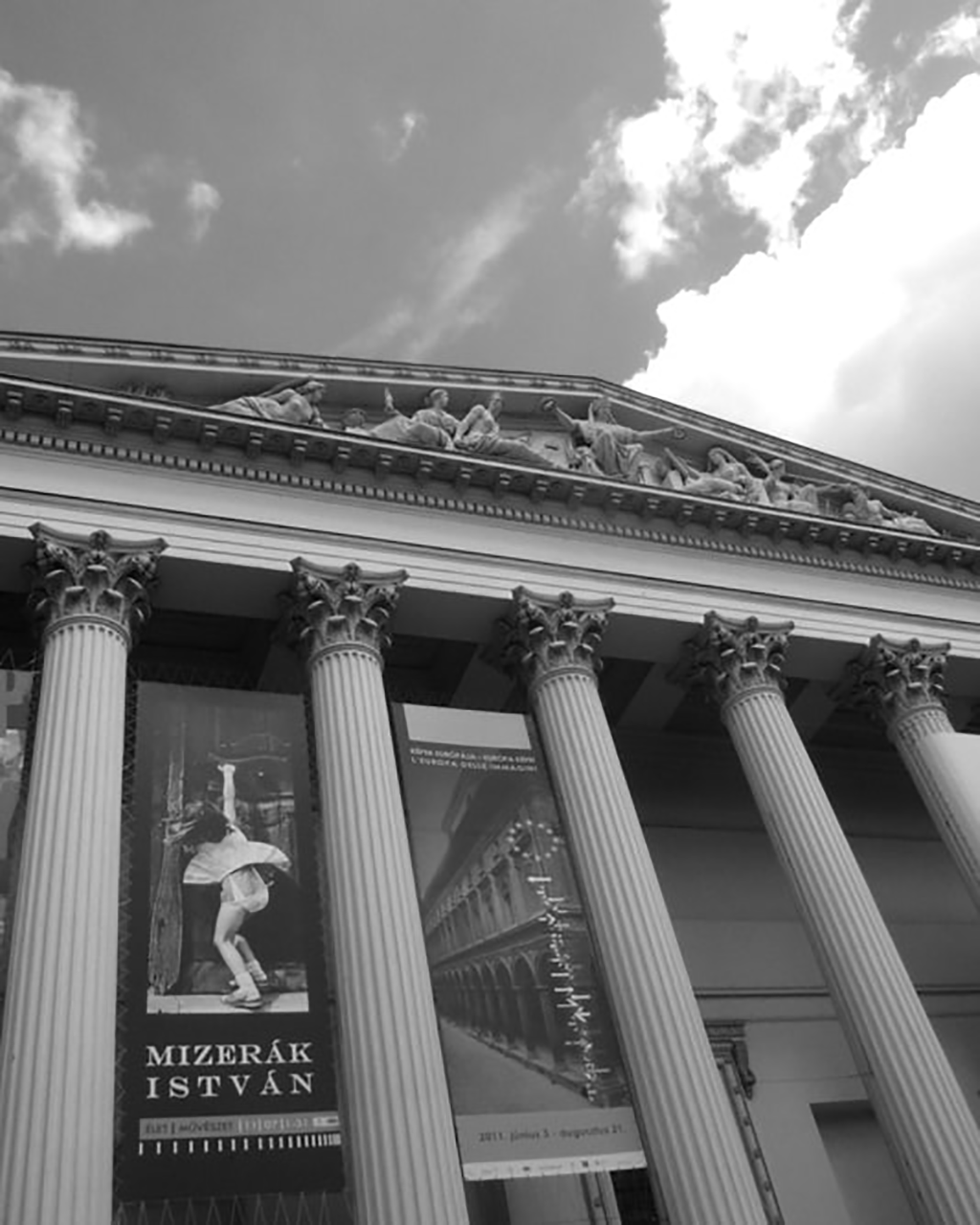
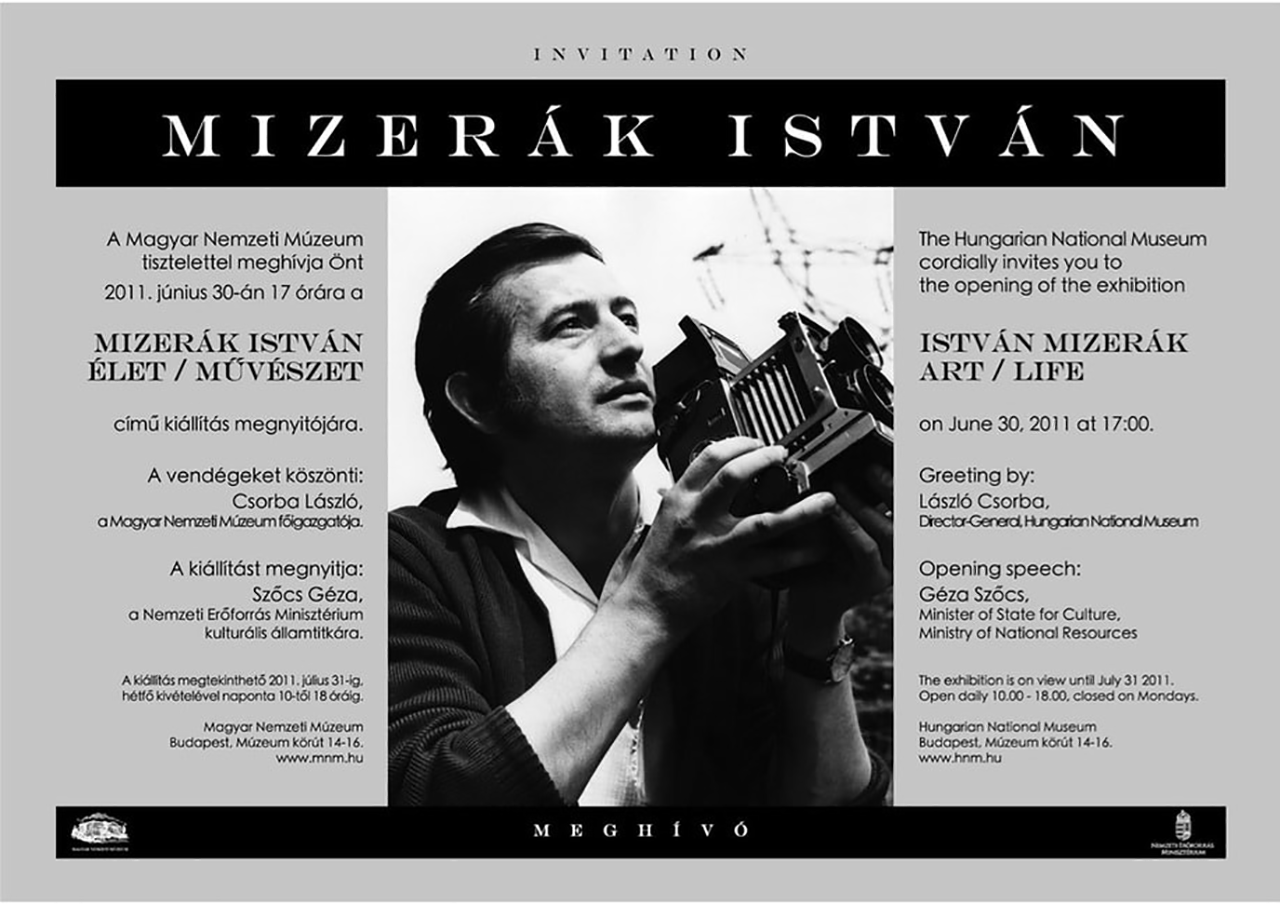
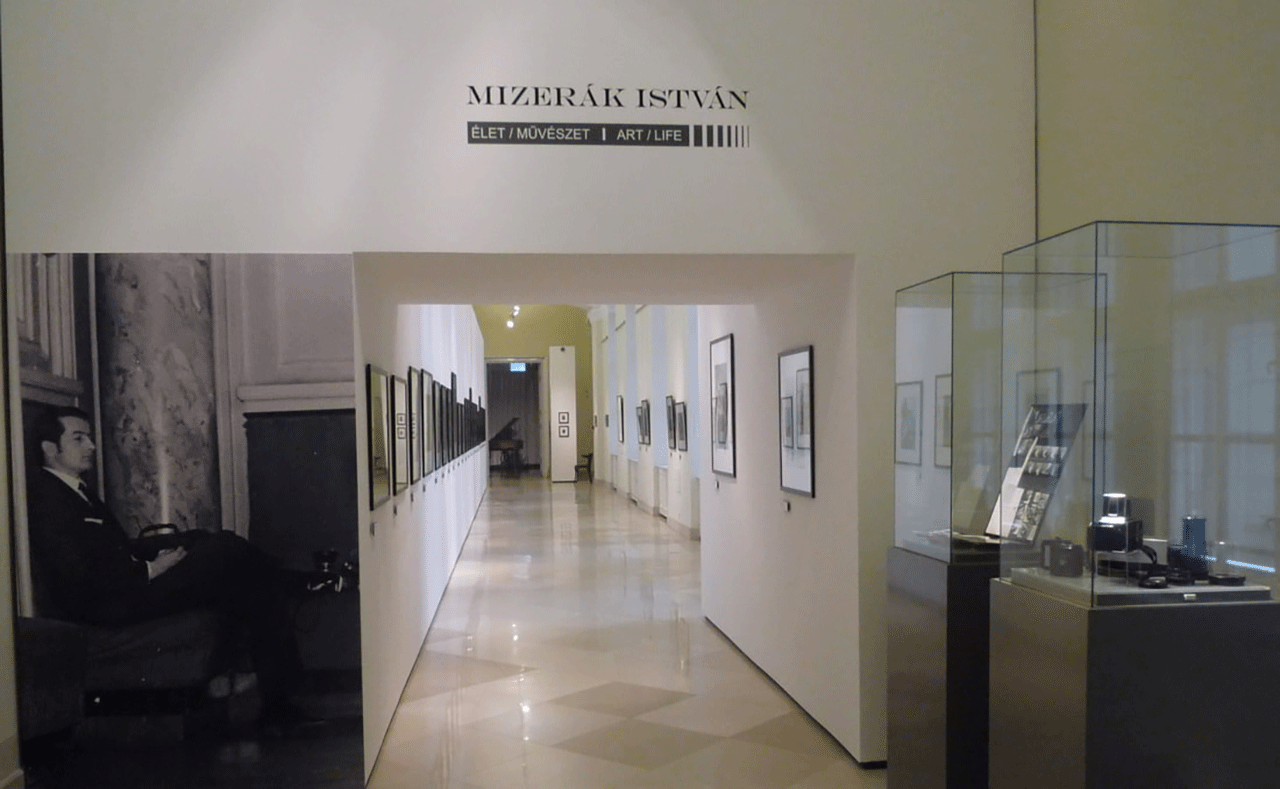
2011 - Hungarian National Museum, Budapest, Hungary
1986 - Steelwork History Museum, Ózd, Hungary
1980 - Steelwork History Museum, Ózd, Hungary
1975 - Riesa Steel and Tube Industries Exhibition Hall, Riesa , Germany (DDR)
1975 - Binz, Germany (DDR)
1975 - Tokaj Cultural Center, Tokaj, Hungary
1972 - Franz Liszt Cultural Center, Ózd, Hungary
1971 - Béla Kun Cultural Center, Ózd, Hungary
1970 - Polish Cultural Institute, Budapest, Hungary
1968 - Franz Liszt Cultural Center, Ózd, Hungary
COLLECTIVE EXHIBITIONS
1982 - Vítkovice Photosalon International Photo Contest exhibition, Vítkovice, Czechoslovakia
1982 - II. Environmental Photo Contest, Szolnok Hungary
1980 - Aladár Székely Memorial Exhibition, Tokaj, Hungary
1980 - Environmental Hazards, environmental photo contest, Szolnok, Hungary
1970 - Northern Hungarian Photo Exhibition, Miskolc, Hungary
1969 - MUNKA Magazine's Photocontest exhibition
1969 - Northern Hungarian Photo exhibition, Miskolc, Hungary


Featured in
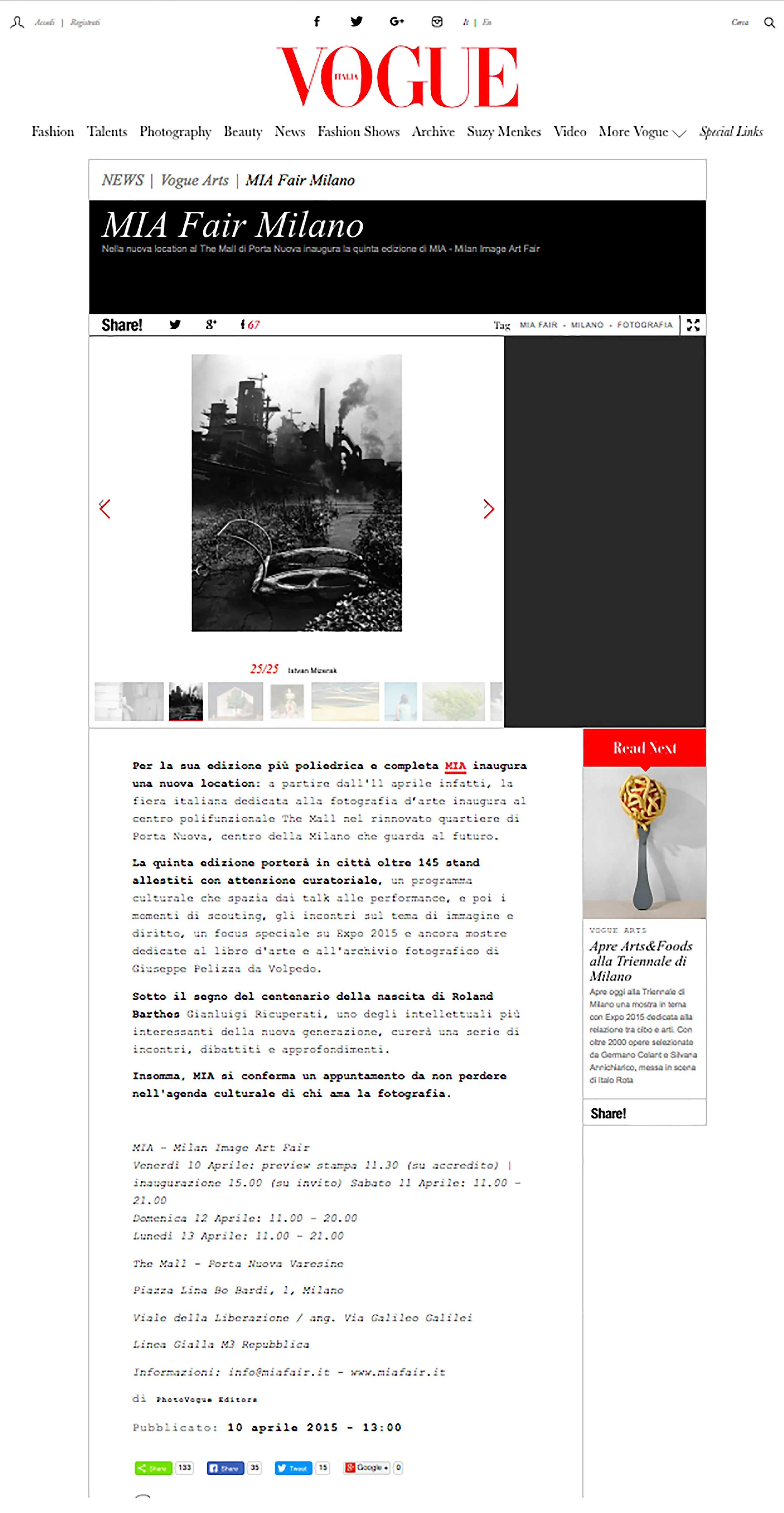
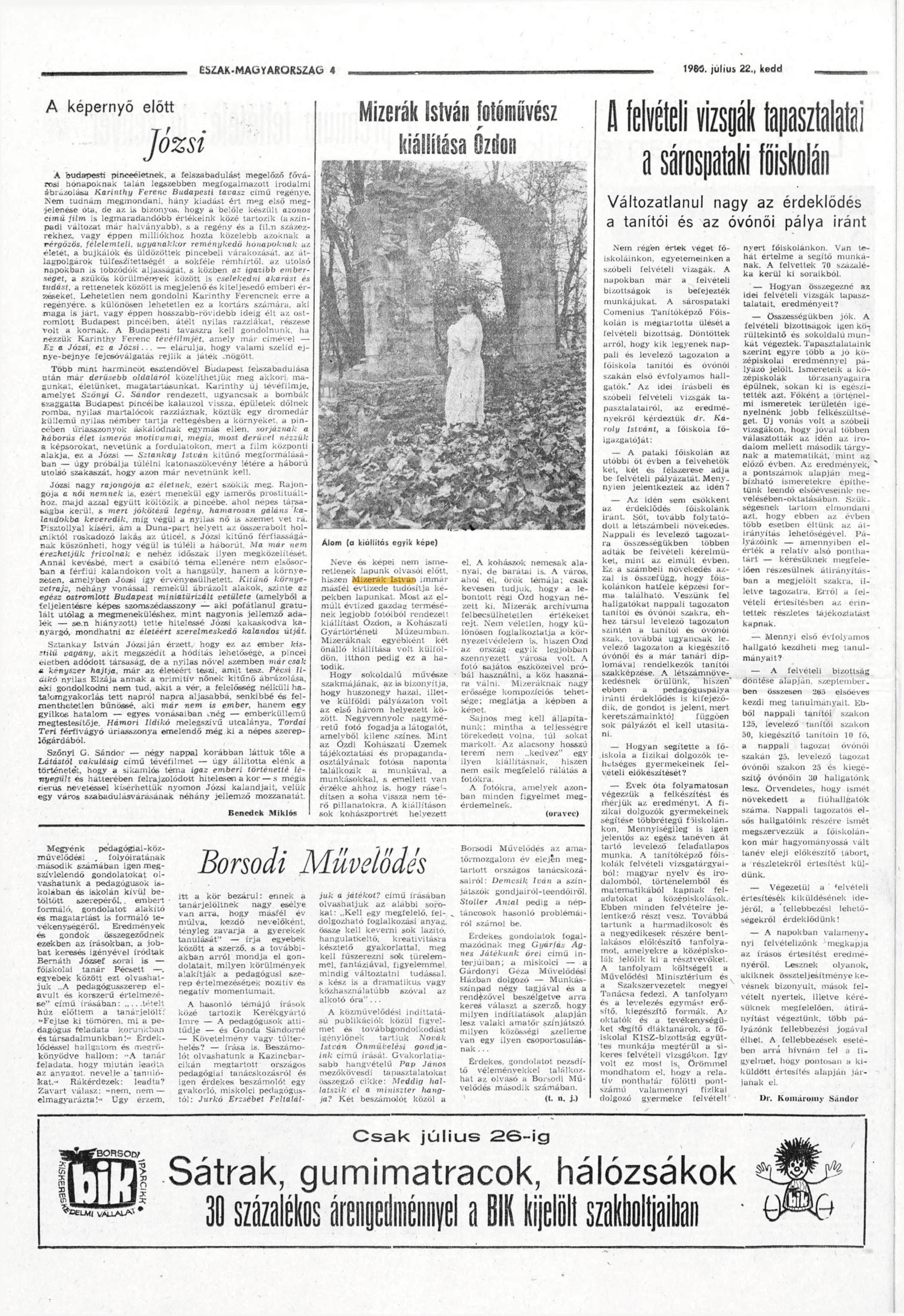
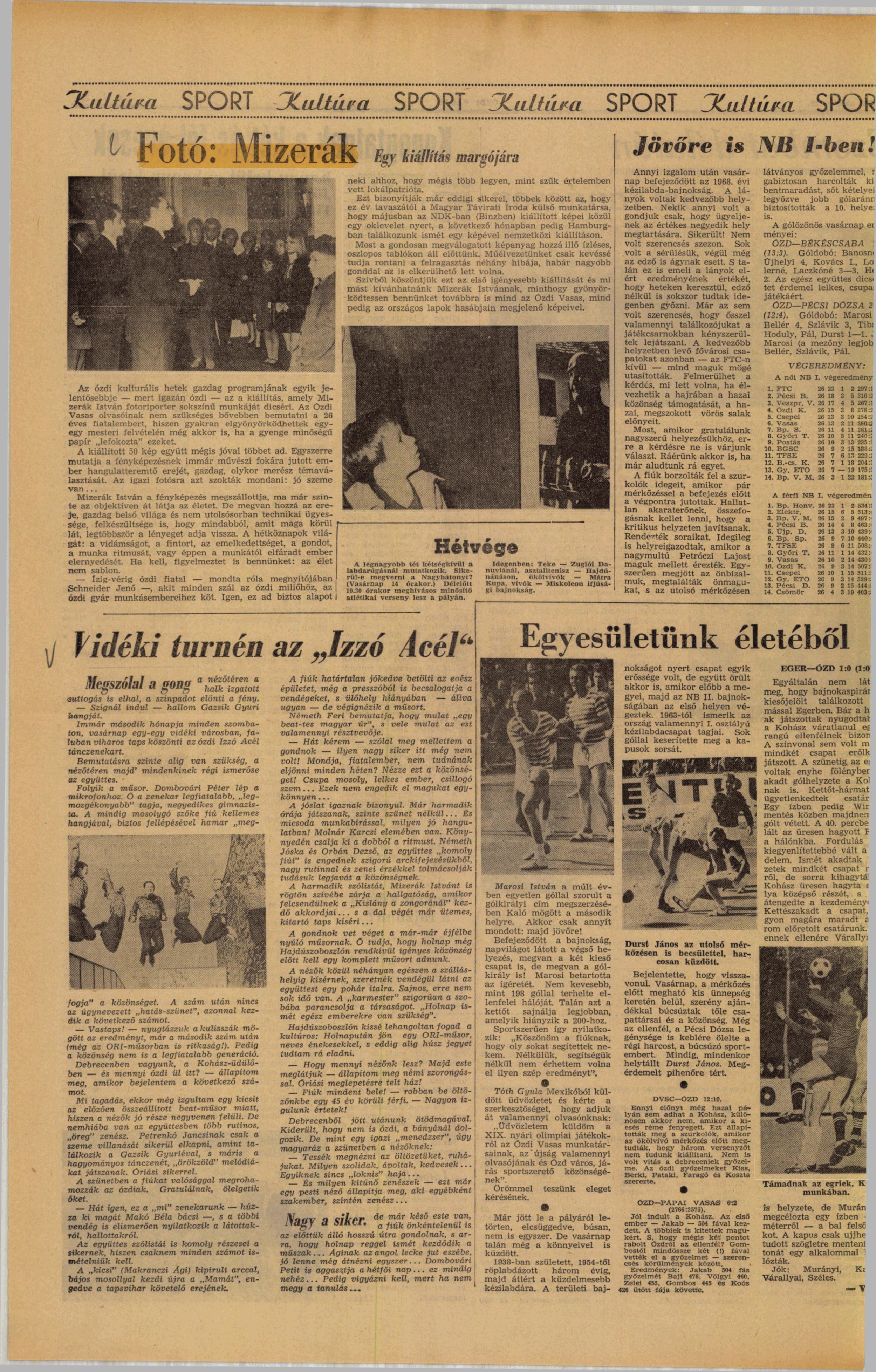
Munka | Fotó | Fotóművészet | Népszava | Népszabadság | Esti Hírlap | Északmagyarország | Magyar Hírlap | Magyar Nemzet | Kurír | Ózdi Vasas | Heti Hírnök | Képes Újság | Békés Megyei Népújság | Borsodi Fiatal | Borsodi Vegyész | Csongrád Megyei Hírlap | Építőmunkás | Fejér Megyei Hírlap | Hajdu Bihari Néplap | Kisalföld | Köznevelés | Pártélet | Pesti Hírlap | Reformátusok Lapja | Szabad Föld | Tükör | Turista Magazin | Vasárnapi Hírek | Vasmegye Vas Népe | Veszprémi Napló | Zalai Hírlap | Vogue Italia | That's Contemporary | Atlantico | Evensi | Informa Roma Nord | You Reporter | Brescia Oggi | Giornale di Brescia | iShoot | Deluxe Pad